Exploring the Durability of Different Veneer Materials
October 3, 2026
What You Should Know Before Your Anti-Aging Treatment Appointment
October 4, 2026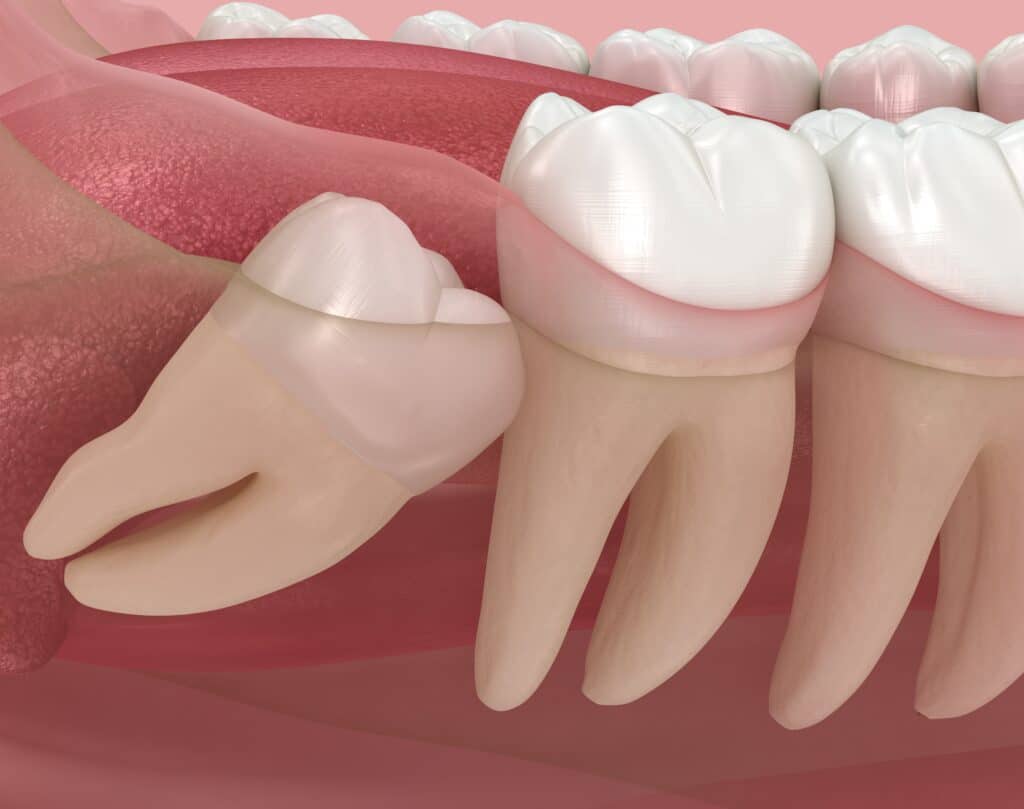
Wisdom teeth, also known as third molars, are the last teeth to develop in the mouth. These molars arrive after the other adult teeth have settled into place, so space in the jaw may be limited. Dental professionals can remove wisdom teeth with oral surgery.
What Is Wisdom Teeth Extraction?
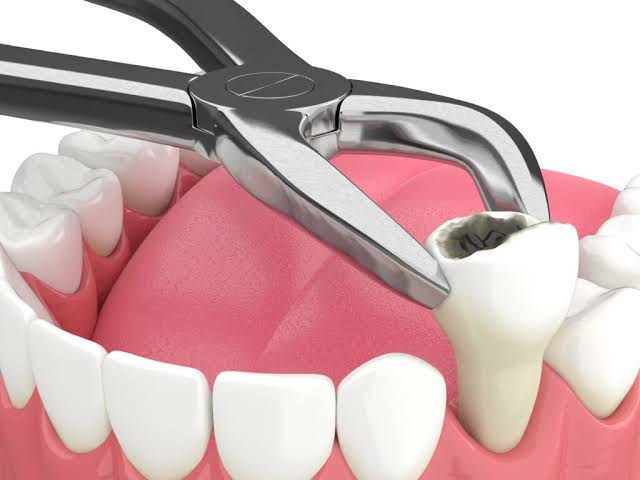
Wisdom teeth extraction is an oral surgery procedure that removes one or more third molars. An oral surgeon or dentist typically performs it in an outpatient setting, so patients usually return home the same day. A fully emerged wisdom tooth may be removed much like a standard extraction. A tooth that remains beneath the gum line or within the jawbone is described as impacted, and its removal generally requires a more involved technique. Some patients have all four wisdom teeth removed in one appointment, while others can have them removed in stages.
Why Is It Necessary?
Not every person requires wisdom teeth removal. Some individuals have enough jaw space for these molars to emerge in proper alignment, but limited space or an unusual growth angle may lead a provider to recommend extraction in other cases. There are several common reasons for removal, including:
- Impaction: The tooth cannot fully emerge because bone, tissue, or neighboring teeth block its path.
- Growth at an Angle: The tooth develops at a tilt and may press against the adjacent molar.
- Tooth Partially Exposed: A partial eruption can leave an opening in the gums where food particles and bacteria are able to collect.
Some providers recommend removal before symptoms develop. A dental professional can review X-rays and examination findings to determine whether extraction is appropriate.
What Does Oral Surgery Involve?
The process may begin with an evaluation. The oral surgeon examines the patient’s mouth, using imaging to assess each tooth’s position. This information shapes the treatment plan. Anesthesia options vary based on the complexity of the procedure, and they may include:
- Local anesthesia, which numbs the treatment area while the patient remains awake
- Sedation anesthesia, which reduces awareness during the procedure
- General anesthesia, which causes the patient to lose consciousness during surgery
The surgeon can make an incision in the gum tissue to expose the tooth and bone. If bone blocks access to the root, the surgeon may remove a small portion of it. Some teeth are divided into sections, so they can be removed in smaller pieces. After the tooth is removed, the surgeon cleans the site and may place stitches. Gauze is then applied to help control bleeding and allow a blood clot to form. Recovery can span several days. Follow-up visits allow the provider to monitor the extraction sites.
Seek Professional Oral Surgery
The timing of a wisdom teeth evaluation can influence the treatment options available. Early imaging allows a provider to track the development of these teeth over time, and they may identify potential concerns before the roots fully form. For adults who still have their wisdom teeth, periodic monitoring through routine dental examinations can help determine whether the teeth remain stable. After the recovery period, patients may resume their normal oral hygiene routines and dietary habits as advised by their provider.