Understanding the Oral Surgery Process for Wisdom Tooth Extraction
October 4, 2026
Nonsurgical Pain Management Techniques To Explore
October 5, 2026
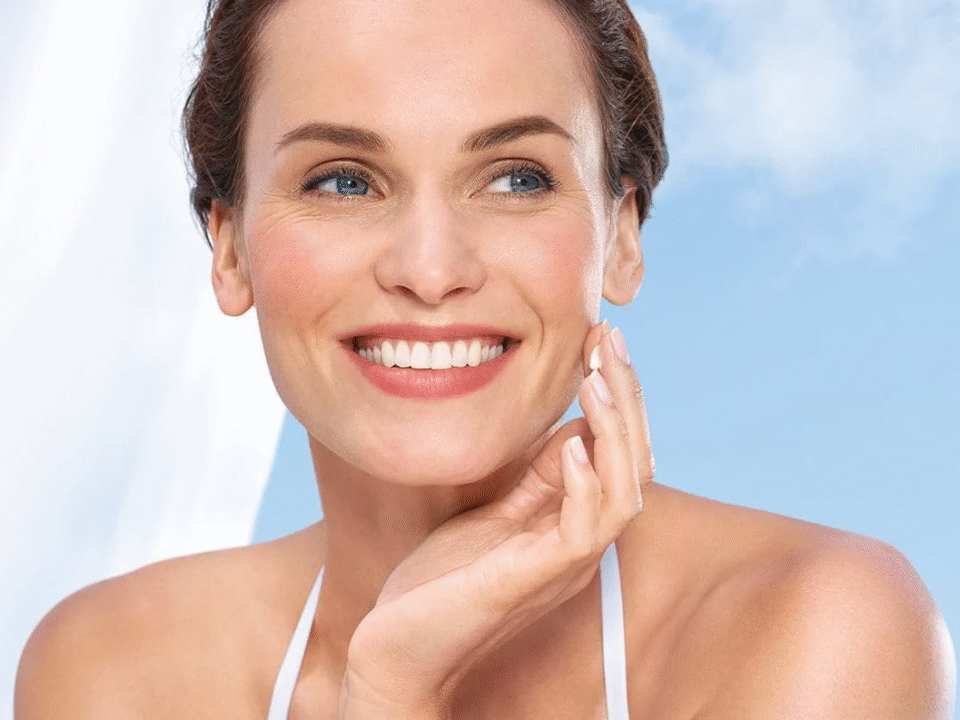
The skin changes gradually with age. Collagen and elastin are two proteins that give skin its structure and flexibility, and the body produces less of both over time. The rate at which skin cells renew also slows. These changes may lead to visible signs, such as fine lines, uneven tone, or reduced firmness. Dermatology offers a range of anti-aging treatments intended to address these cosmetic concerns.
What Is Anti-aging Treatment?
Anti-aging treatment can refer to a group of cosmetic dermatology procedures, as well as skin care approaches, designed to improve the appearance of aging skin. The term does not describe a single procedure. It covers a broad category of options that a dermatologist is able to combine, and they may be adjusted based on a person’s skin type, concerns, and goals.
A treatment plan usually begins with an evaluation of the skin. The dermatologist may review certain factors, such as texture, pigmentation, and the depth of lines or folds. The provider can outline which methods suit the individual. Results vary from person to person, and some treatments may require periodic maintenance to sustain their effects.
What Does It Address?
Anti-aging treatment can target a variety of cosmetic changes that appear on the face, neck, hands, and other areas. Some people may seek treatment for a single concern, and others receive a combination plan that targets several changes at once. There are some common concerns that can be treated, including:
- Fine Lines and Wrinkles: These often form around the eyes, mouth, and forehead, where repeated facial expressions create creases over time.
- Decreased Volume: The face can gradually lose fullness in areas such as the cheeks and temples.
- Sagging Skin: Reduced elasticity may cause skin along the jawline and neck to loosen.
- Uneven Pigmentation: Areas of discoloration can develop after years of sun exposure.
- Rough Texture: Slower cell turnover may leave the skin looking dull or uneven.
A dermatologist can help determine which approach aligns with a person’s priorities and expectations.
What Services Fall Under It?
Dermatology practices offer several categories of anti-aging services, addressing a variety of age-related cosmetic concerns. Each works in a different way, and they may be used alone or alongside other treatments. These include:
- Neuromodulators: Injections such as botulinum toxin temporarily relax specific facial muscles and soften expression lines on the forehead and around the eyes.
- Fillers: Gel-based injectables add volume to areas such as the cheeks, lips, and folds around the mouth.
- Chemical Peels: A solution applied to the skin removes outer layers of cells, and this process can improve tone and texture as newer skin develops.
- Laser Treatments: Different lasers target different concerns, including pigmentation and texture.
- Radiofrequency Devices: These technologies deliver energy beneath the skin’s surface and are often used to address mild laxity.
- Topicals: Prescription-strength products may help with texture and fine lines when used as directed.
A dermatologist can explain what each service involves, including the expected recovery period and possible side effects.
Seek Professional Dermatology Services
A dermatologist is able to evaluate your skin, and they may create a plan that reflects a person’s goals and budget. Because the skin continues to change over time, periodic reassessment allows the plan to adapt as new concerns emerge. Contact a dermatology practice to learn more about the anti-aging treatments available and which options suit your skin.