Choosing the Right Asthma Doctor for Your Needs
October 8, 2026The Role of Nutrition in Enhancing IVF Outcomes
October 8, 2026
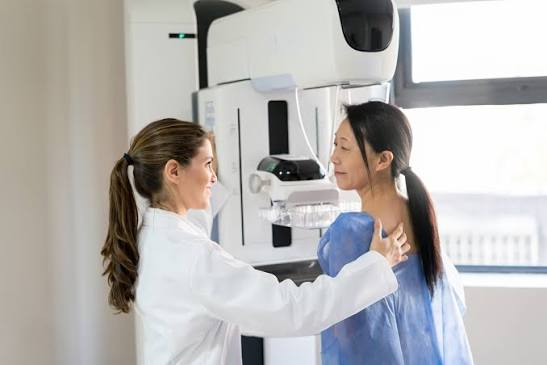
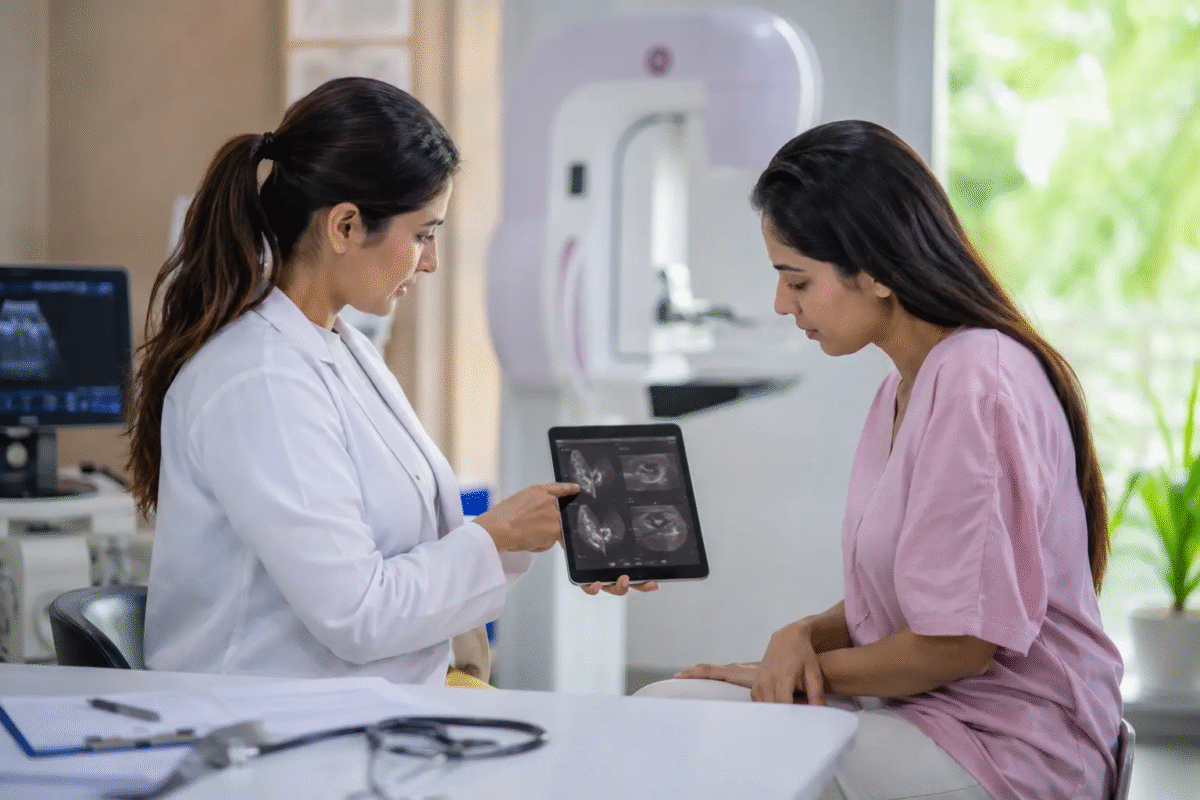
Regular gynecology appointments support preventive care and the early evaluation of potential concerns. Patients may schedule a visit for routine screenings, contraceptive guidance, or other gynecologic issues. Here is more information on when to schedule a gynecology appointment:
Preventive and Routine Visits
Preventive visits are a fundamental part of ongoing reproductive health care. Providers suggest a first gynecology visit between ages 13 and 15, and this appointment often focuses on conversation. At a routine visit, your provider reviews your health history, discusses lifestyle factors, and performs screenings as appropriate. Screening timing depends on your age, history, and current guidelines.
Annual visits also give you a set time to discuss contraception. Your provider explains available options, such as pills, implants, intrauterine devices, and barrier methods, and you review them based on your goals. If you plan to become pregnant in the future, you can use this visit to discuss preconception planning.
Menstrual Changes
Your menstrual cycle follows a pattern that often stays consistent from month to month. When that pattern changes, a gynecology visit helps you understand the change. Track your cycle length, flow, and symptoms, and bring these notes to your appointment. Contemplate scheduling a visit if you notice any of the following:
- Missed periods: Periods that stop for several months without pregnancy warrant a conversation with a provider.
- Heavy bleeding: Soaking through a pad or tampon every hour for several hours is a reason to seek an evaluation.
- Irregular timing: Cycles that arrive much earlier or later than usual signal a change worth discussing.
- Severe cramping: Pain that interferes with school, work, or daily tasks requires a visit.
- Bleeding between periods: Spotting outside your regular cycle or after sex is a reason to book an appointment.
Pelvic and Sexual Health Concerns
Pelvic and sexual health concerns are common, and a gynecologist addresses them in a private and clinical setting. Some people delay these visits, but early conversations often make care planning simple. The following sections describe some common categories.
Pelvic Pain and Discomfort
Pelvic pain includes aching, pressure, or sharp sensations in the lower abdomen. Some pain occurs during your period, but other pain appears at unpredictable times. If discomfort lasts several days or returns often, schedule an appointment.
Vaginal and Sexual Health Changes
Contact a gynecology provider if you notice changes in vaginal discharge, odor, itching, or irritation. Pain during sex also requires a visit, and so do new bumps or sores in the genital area. Your provider will offer testing for sexually transmitted infections, which is a routine part of care for sexually active individuals. Schedule testing when you have a new partner or when your provider recommends it.
Hormonal and Life-Stage Changes
Hormone levels change at several points in life, and each stage brings different questions. Puberty, pregnancy planning, postpartum recovery, and perimenopause are common reasons for a visit. When you notice changes in sleep, mood, skin, or cycle patterns, a provider can help you sort through possible causes.
Perimenopause and menopause are also reasons to see a specialist. During this transition, some women experience hot flashes, vaginal dryness, or sleep changes. If these symptoms affect your daily routine, your provider can recommend management options.
Schedule Your Gynecology Care Appointment
Gynecology care covers preventive visits, menstrual changes, pelvic and sexual health concerns, and hormonal transitions. Routine appointments keep your screenings and contraception plans current, and symptom-based visits address new concerns as they arise. Contact a qualified specialist near you to schedule your gynecology care appointment today.