
10 Heart-Healthy Habits to Improve Cardiovascular Wellness
July 17, 2026
Common Menstrual Problems: Causes, Symptoms & When to See a Doctor
July 17, 2026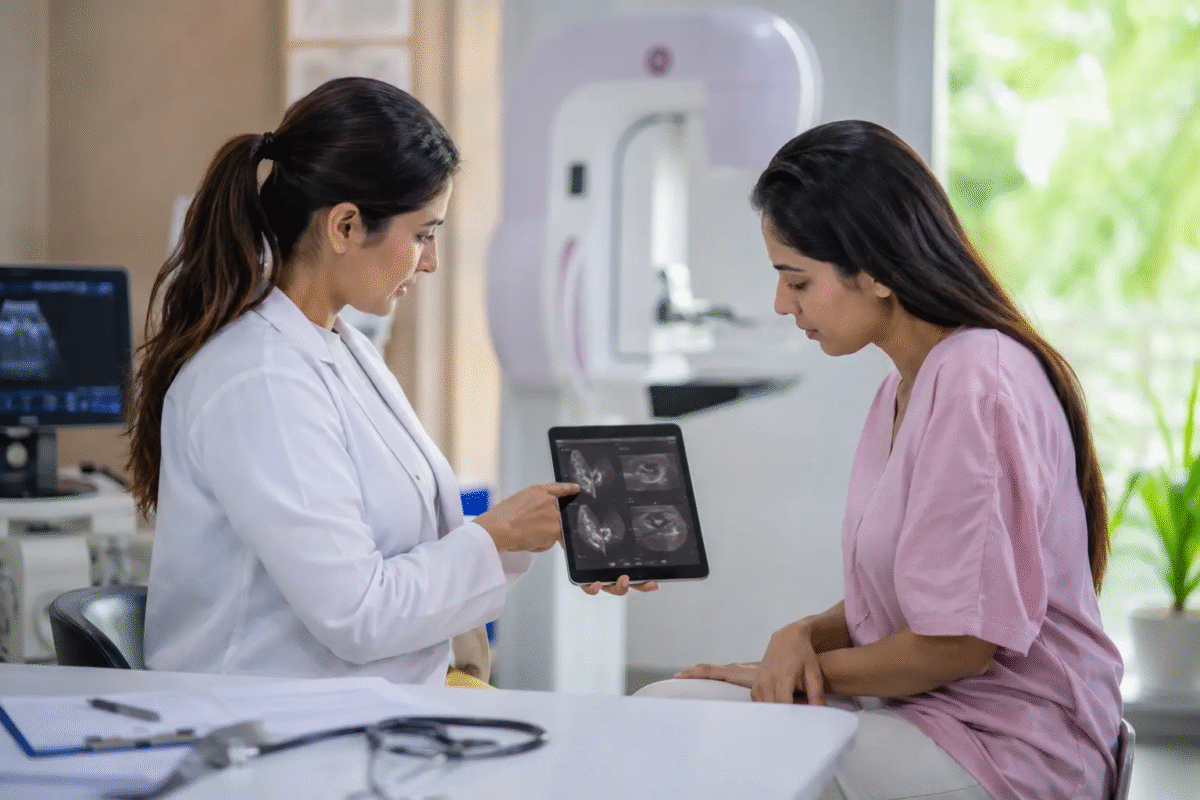
Regular health screenings are one of the most effective ways to detect diseases early, maintain overall wellness, and prevent serious medical conditions. Many illnesses, including cervical cancer, breast cancer, osteoporosis, and heart disease, may develop without noticeable symptoms in their early stages. Routine screenings allow healthcare providers to identify potential problems before they become more difficult to treat.
Every woman’s healthcare needs change throughout different stages of life. Whether you’re in your 20s, 40s, or beyond, staying up to date with recommended health screenings can improve your long-term health and quality of life.
This guide explains the most important women’s health screenings, when they are recommended, and why they are essential for preventive healthcare.
Why Women’s Health Screenings Matter
Preventive screenings help:
- Detect diseases early
- Reduce the risk of serious complications
- Improve treatment outcomes
- Monitor overall health
- Encourage healthy lifestyle choices
- Increase life expectancy
Early detection often means simpler and more effective treatment.
1. Annual Wellness Exam
A yearly wellness visit allows your healthcare provider to evaluate your overall health.
During the appointment, your provider may:
- Review your medical history
- Measure blood pressure
- Check weight and BMI
- Discuss medications
- Assess lifestyle habits
- Address any health concerns
Annual exams are the foundation of preventive healthcare.
2. Cervical Cancer Screening (Pap Smear)
A Pap smear checks for abnormal cells on the cervix that could develop into cervical cancer.
Benefits include:
- Early detection of abnormal cell changes
- Reduced cervical cancer risk
- Better treatment outcomes
Your healthcare provider will recommend how often you need this screening based on your age and medical history.
3. HPV Testing
The Human Papillomavirus (HPV) is a common virus linked to cervical cancer.
HPV testing may be performed alongside a Pap smear to identify high-risk strains before they cause serious health problems.
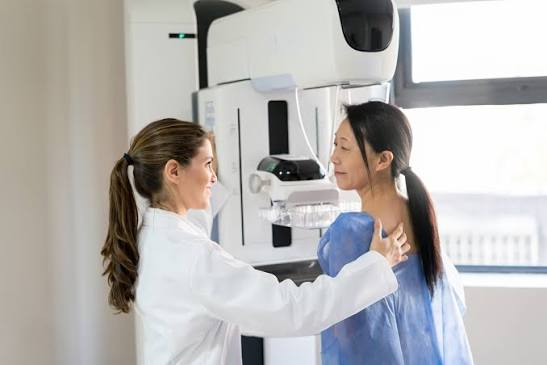
4. Breast Cancer Screening
Regular breast cancer screening is one of the best ways to detect cancer early.
Common screening methods include:
- Mammograms
- Clinical breast exams
- Breast self-awareness
Talk to your healthcare provider about when to begin routine mammograms based on your age and personal risk factors.
5. Blood Pressure Screening
High blood pressure often develops without symptoms.
Routine monitoring helps reduce the risk of:
- Heart disease
- Stroke
- Kidney disease
Maintaining healthy blood pressure supports overall cardiovascular health.
6. Cholesterol Testing
High cholesterol increases the risk of heart disease.
Routine cholesterol screening helps your healthcare provider evaluate your cardiovascular risk and recommend lifestyle changes or treatment if necessary.
7. Diabetes Screening
Blood sugar testing helps identify:
- Prediabetes
- Type 2 diabetes
Early diagnosis allows for better blood sugar management and reduces long-term complications.
8. Bone Density Test
Bone density naturally decreases with age, especially after menopause.
A bone density scan helps detect osteoporosis and assess fracture risk.
Women with risk factors may need earlier screening.
9. Colorectal Cancer Screening
Screening for colorectal cancer becomes increasingly important with age.
Common screening methods include:
- Stool-based tests
- Colonoscopy
- Flexible sigmoidoscopy
Your healthcare provider will recommend the most appropriate screening schedule.
10. Skin Cancer Examination
Routine skin checks help identify:
- Unusual moles
- Skin changes
- Early signs of skin cancer
Protecting your skin from excessive sun exposure also reduces risk.
Reproductive Health Screenings
Women should also discuss reproductive health during regular checkups.
Topics may include:
- Menstrual health
- Family planning
- Fertility concerns
- Menopause symptoms
- Sexual health
Open communication helps ensure personalized care.
Healthy Habits That Support Women’s Health
Preventive screenings work best when combined with healthy lifestyle choices.
Focus on:
- Eating a balanced diet
- Exercising regularly
- Maintaining a healthy weight
- Getting enough sleep
- Managing stress
- Avoiding tobacco
- Limiting alcohol
- Staying hydrated
These habits support long-term physical and mental well-being.
When Should You Schedule a Health Screening?
Consult your healthcare provider if you:
- Notice unusual breast changes
- Experience irregular bleeding
- Have persistent pelvic pain
- Feel a lump in your breast
- Have a family history of cancer
- Develop unexplained weight changes
- Experience ongoing fatigue
Early evaluation helps identify problems before they become serious.
Frequently Asked Questions
How often should women have a wellness exam?
Most women benefit from an annual wellness visit, although your healthcare provider may recommend a different schedule based on your health needs.
When should mammogram screening begin?
The recommended age varies depending on personal and family risk factors. Discuss the best screening schedule with your healthcare provider.
Is a Pap smear necessary if I feel healthy?
Yes. Cervical cell changes often develop without symptoms, making routine screening essential.
Can healthy lifestyle habits replace health screenings?
No. Healthy habits reduce disease risk, but regular screenings are still necessary to detect conditions that may not cause early symptoms.
Conclusion
Regular women’s health screenings are essential for preventing disease, detecting medical conditions early, and maintaining lifelong wellness. Annual checkups, cervical cancer screening, breast cancer screening, blood pressure monitoring, cholesterol testing, diabetes screening, and bone health assessments all play an important role in preventive healthcare. By combining routine screenings with healthy daily habits, women can protect their health, improve quality of life, and enjoy greater peace of mind for years to come.