Coping With OCD
September 25, 2026
Choosing Compression Socks and Understanding the Benefits
October 1, 2026
A family dentist treats patients of all ages, from young children to older adults. This lets parents, children, and grandparents receive care at one practice. Families often schedule same-day appointments, which may reduce travel time between offices. Single individuals also benefit from working with one provider who keeps a consistent record of their dental history. Knowing what happens during each step can help you prepare and ask informed questions. Here’s what to expect from your first appointment with a new family dentist:
What Are Digital X-rays?
Digital X-rays are images that capture the teeth, roots, jawbone, and surrounding structures. A small sensor placed in the mouth records each image and sends it to a computer within seconds. Compared with traditional film X-rays, digital X-rays use a lower radiation dose and take less time. At your first appointment with a new family dentist, X-rays establish a baseline record of your oral health. They can reveal details that are not visible during a visual exam, such as:
- Decay Between Teeth
- Bone Levels
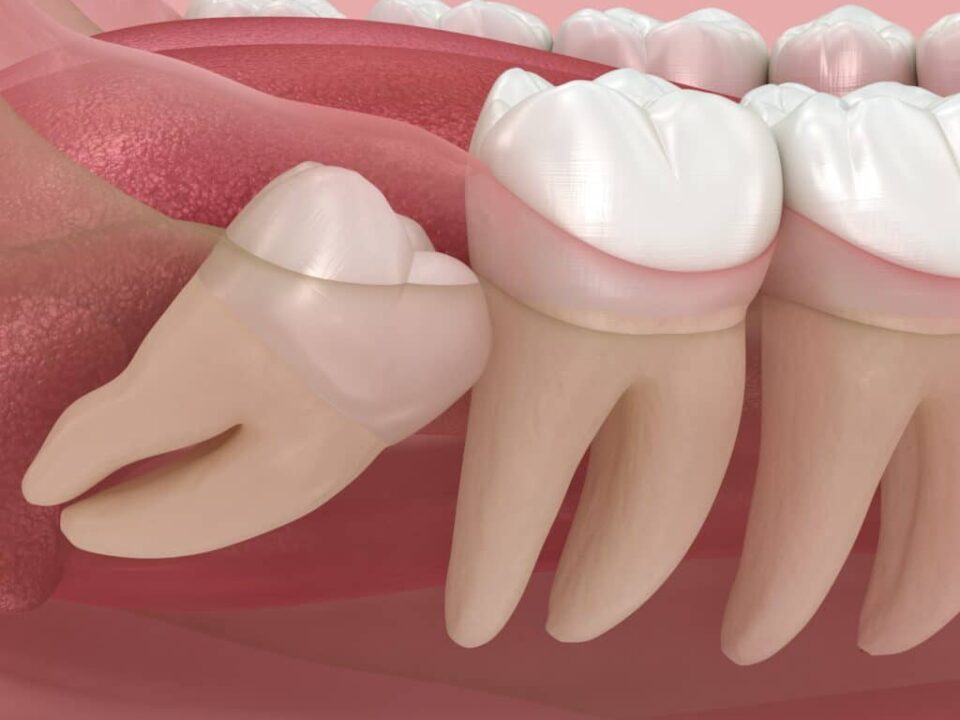
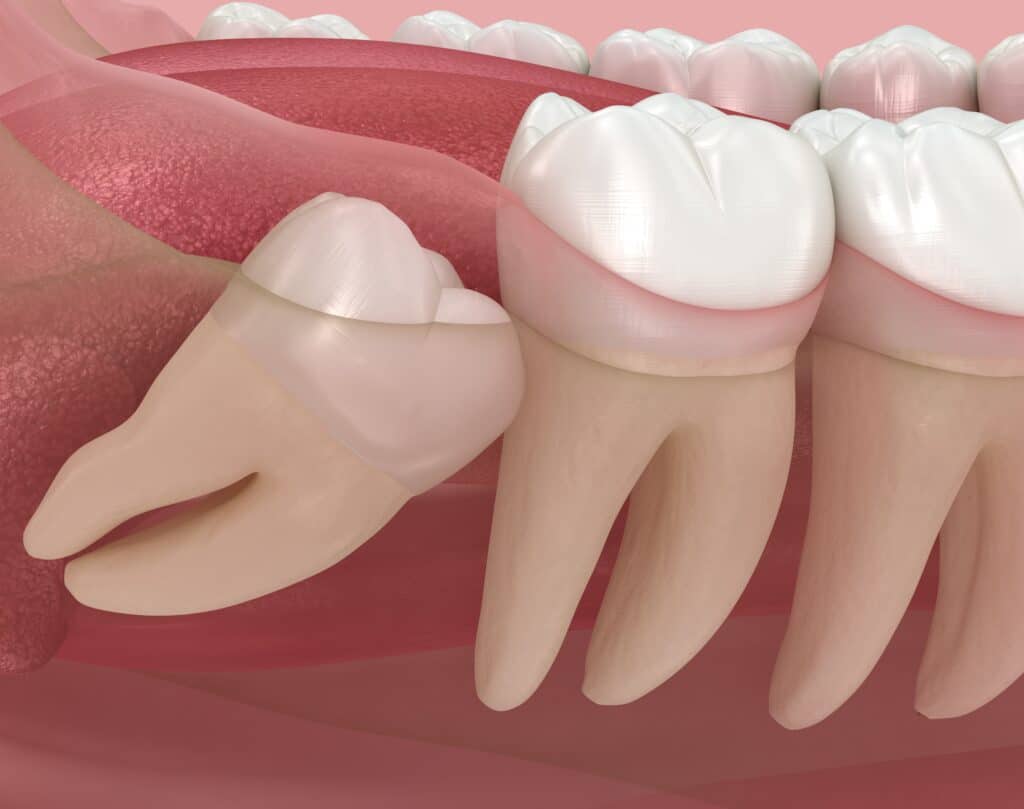
- Impacted Teeth
Your dental provider stores these images in your patient file, and future X-rays can be compared against them. This comparison helps your provider track changes in tooth structure, bone levels, and existing dental work. When a small area of decay is noted, you can monitor it effectively between appointments. How often you need X-rays depends on your age, dental history, and risk factors.
What Are Professional Cleanings?
A professional cleaning removes buildup that brushing and flossing at home cannot reach, and a dental hygienist usually performs this part of the visit. The cleaning process typically takes 30 to 60 minutes, depending on the amount of buildup present. Plaque is a soft, sticky film of bacteria that forms on teeth throughout the day. When plaque is not removed, it can harden into tartar, also called calculus.
Removing Tartar
You can’t remove tartar well with a toothbrush. To remove tartar buildup, your hygienist uses a small handheld tool called a scaler or an ultrasonic device to clean along the gumline and between teeth. You may hear scraping sounds during this step, but the sensation is usually mild. Some people may experience more gum sensitivity during professional cleanings than others, especially if they have gum disease.
Polishing Teeth
After scaling or removing buildup, the hygienist polishes your teeth with a polishing paste and a rotating brush. Polishing smooths tooth surfaces and helps remove surface stains, and the hygienist then flosses between each tooth to remove any remaining paste and debris. Some dental offices also offer a fluoride treatment at the end of the cleaning. This helps strengthen the clean enamel.
What Are Oral Exams?
After your cleaning, your family dentist performs a comprehensive oral exam. The dentist reviews your X-rays, checks each tooth for signs of decay, and evaluates existing fillings, crowns, or other restorations. They also examine your oral health, from your gums and tongue to your throat and jaw. Regular exams help detect a wide range of concerns early.
Gingivitis, the earliest stage of gum disease, may appear as redness, swelling, or bleeding along the gumline. The dentist may use a small probe to measure the space between your gums and teeth and assess gum health. During an oral cancer screening, the dentist looks for unusual patches, sores, or lumps in the mouth and feels the neck and jaw for abnormalities.
Identifying changes early gives you and your provider more time to discuss options. If the dentist finds an area of concern, they will explain the findings and outline possible next steps. Some findings require only monitoring, but others may lead to timely treatment or a referral to a specialist.
Visit a Family Dentist Regularly
Many dentists recommend visits every six months, though your new provider may suggest a different schedule based on your needs. X-rays, cleanings, and exams give your provider a detailed record of your oral health, helping them track it over time. Your first appointment creates a foundation for ongoing care. To start seeing a dentist regularly, contact a family dental practice in your area to schedule an appointment.