The Role of Orthopedic Surgeons in Sports Injury Management
October 1, 2026
Benefits of Choosing a Trusted Podiatrist
October 1, 2026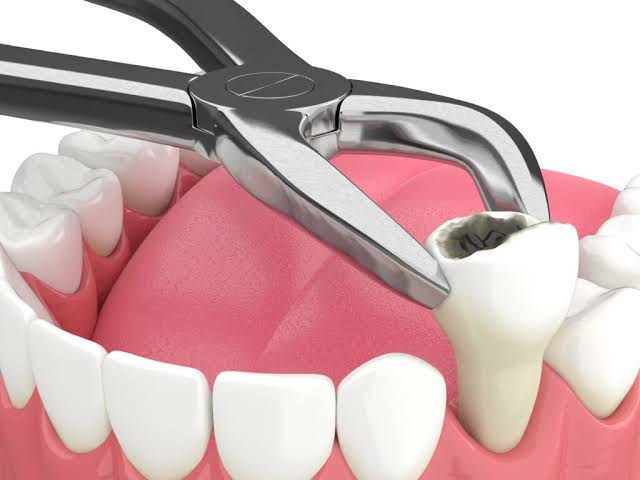
When a tooth has severe decay, damage, or crowding, a dentist may recommend removing it. Extractions typically heal without major problems within a few weeks. Some patients develop complications, and knowing the warning signs helps you act quickly. Here are some minimal risks associated with tooth extractions and steps to lower them:
Delayed Healing
Healing times from tooth extractions vary from person to person. While soft tissue typically closes within two weeks, the bone underneath may take several months to fill in. Certain health factors slow this process, and some daily habits do the same. Talk with your dentist about any of the following before your procedure:
- Diabetes or other conditions that affect blood flow
- Tobacco or nicotine use
- Medications such as blood thinners or steroids
- Poor sleep or a low-protein diet
Dry Socket
Dry socket is a typical complication after a tooth extraction. A blood clot normally forms in the empty socket, and it protects the bone and nerves underneath. If the clot dislodges or dissolves too early, the bone becomes exposed to air, food, and fluids. Dentists also call this condition alveolar osteitis.
Dry socket usually appears two to four days after surgery, and the pain often spreads toward the ear. Since the exposed bone has no protective cover, over-the-counter pain relievers may not help much. You might also notice a bad taste or odor. The socket may look grayish or whitish instead of dark red.
Smoking may raise your risk because the suction and chemicals disrupt the clot. Drinking through a straw creates similar suction. Avoid both during the healing period, and rinse gently with salt water after the first day. If symptoms develop, your dentist may place a medicated dressing in the socket.
Infected Areas
Bacteria from the mouth may enter the open socket, and an infection may develop days after surgery. Signs include swelling, pus, fever, and increasing pain. If swelling grows after the third day, call your dental office for an evaluation. Untreated infections may spread to nearby tissue.
Your dentist may prescribe antibiotics when an infection appears or when your health history raises the risk. Take the full course as directed. Keep the area clean with gentle rinses, and brush nearby teeth carefully. For many patients, infections clear within a week of starting treatment.
Sinus-related Issues
Your upper back teeth sit close to the maxillary sinus, and their roots sometimes extend into it. When one of these teeth comes out, a small opening may form between the mouth and sinus. Avoid blowing your nose forcefully for about a week. Contact your dentist if you notice any of these signs:
- Air or liquid passing from your mouth into your nose
- Congestion or drainage on one side
- Nosebleeds after the extraction
- Pressure or pain near the cheek
Schedule Tooth Extractions Near You
A dentist reviews your health history and X-rays before an extraction. This review identifies risk factors early, and it shapes your aftercare instructions. If you have questions about an upcoming extraction, a dental team can explain each step of the process. Call a clinic or book online to schedule a consultation.