The Connection Between Women’s Health and Chronic Diseases
October 1, 2026
Understanding the Risks Associated With Tooth Extractions
October 1, 2026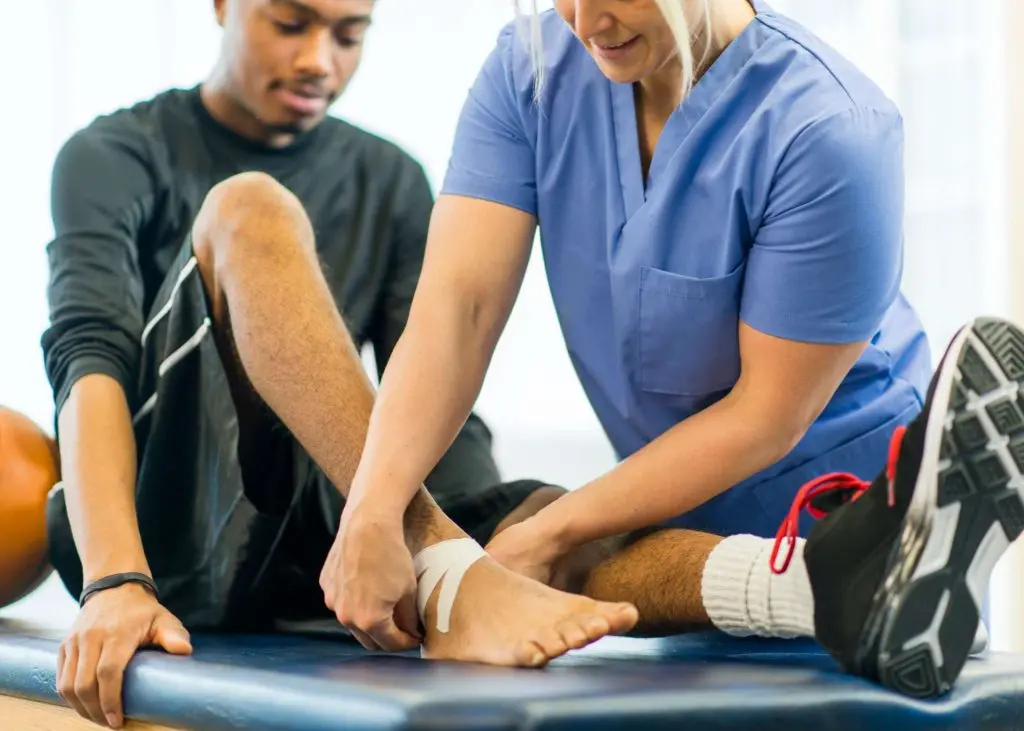
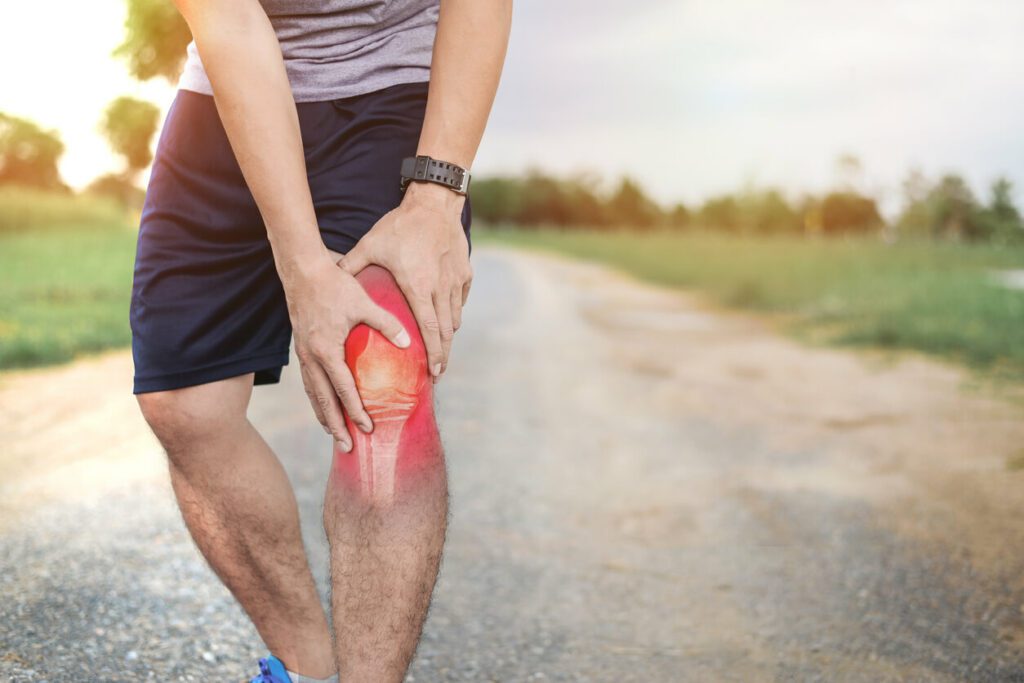
Orthopedic surgeons diagnose, treat, and help prevent musculoskeletal injuries sustained during athletic activity. Their care spans non-surgical treatments like physical therapy and bracing, as well as surgical interventions such as arthroscopy and joint replacement. Because treatment is tailored to each patient’s condition and goals, patients benefit from accurate diagnosis and structured rehabilitation that supports a safe return to sport. Here is more information on what orthopedic surgeons do and how their care benefits patients recovering from sports-related trauma:
What Is an Orthopedic Surgeon?
An orthopedic surgeon is a medical doctor who specializes in diagnosing and treating conditions affecting bones, joints, muscles, ligaments, and tendons. Some surgeons focus their practice entirely on sports-related conditions, while others treat a broader range of orthopedic issues, including arthritis and degenerative disease. A sports medicine specialist develops deep familiarity with the physical demands of athletic activity. This specialized knowledge is beneficial, as it allows surgeons to develop treatment plans that account for an athlete’s sport, position, and performance goals.
What Are Sports Injuries?
Sports injuries occur when physical activity places excessive stress on the body’s muscles, bones, or connective tissues, and they are categorized as acute or overuse. Common sports injuries include:
- Rotator cuff tears, which involve damage to the tendons and muscles surrounding the shoulder joint
- ACL tears, an acute injury to the anterior cruciate ligament typically caused by sudden stops or changes in direction
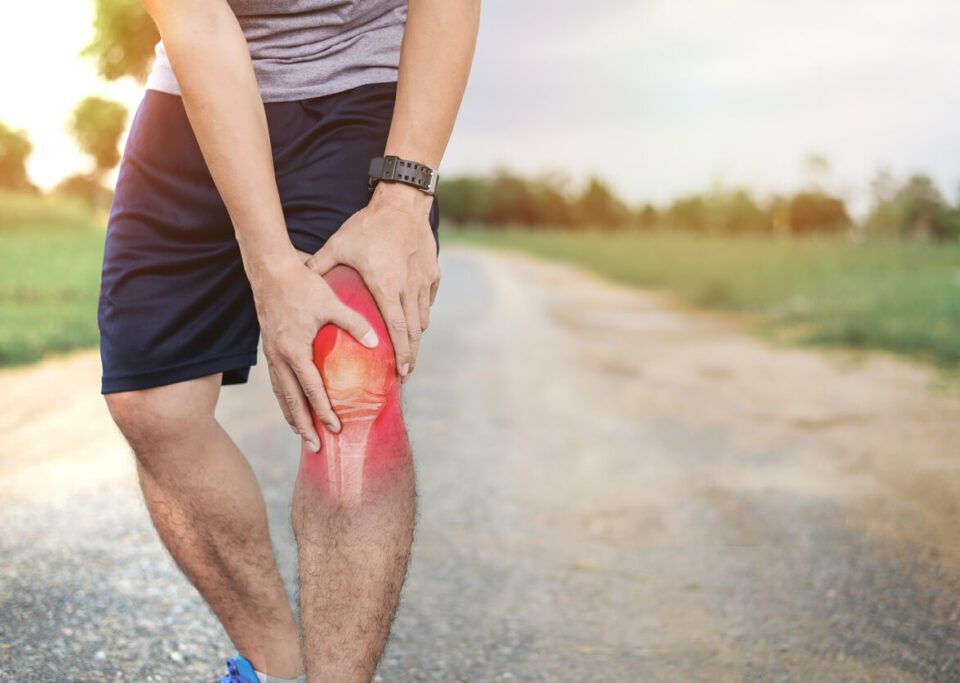
- Meniscus damage, referring to tears in the cartilage that cushions the knee joint
- Tendinitis, an overuse injury characterized by inflammation of the tendons due to repetitive motion
An orthopedic specialist with sports medicine experience can accurately diagnose and treat injuries related to athletic activity.
How Are They Managed?
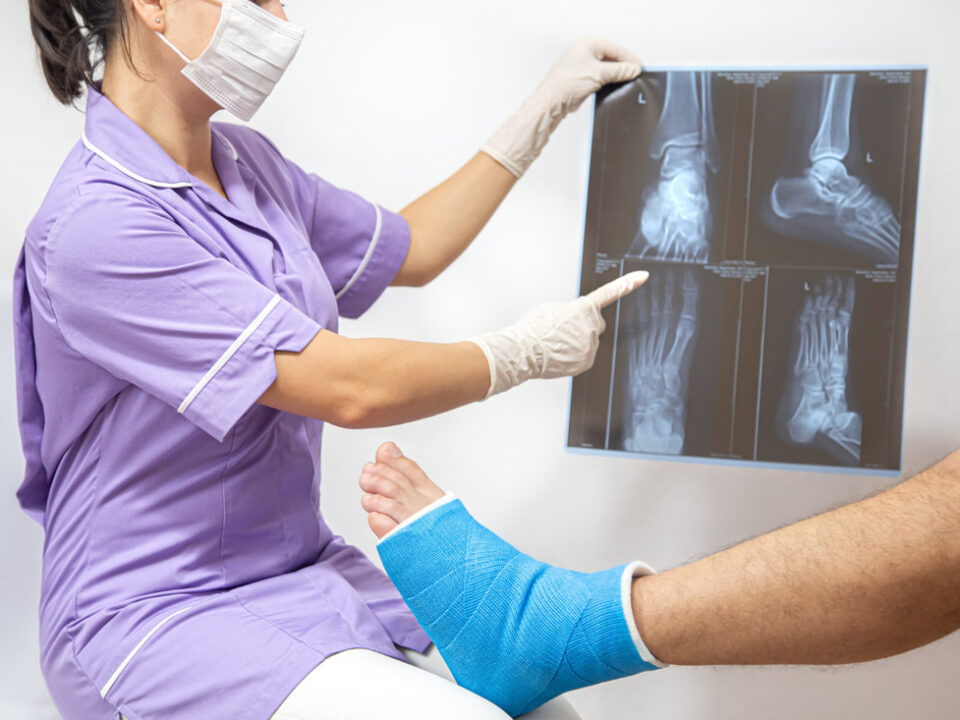
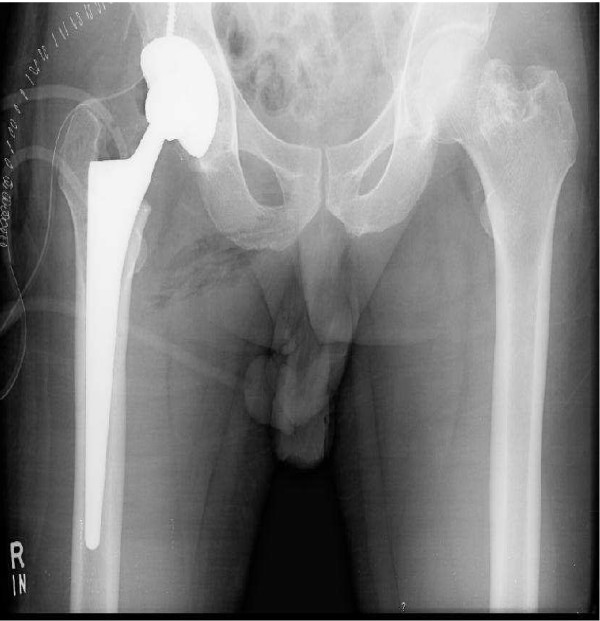
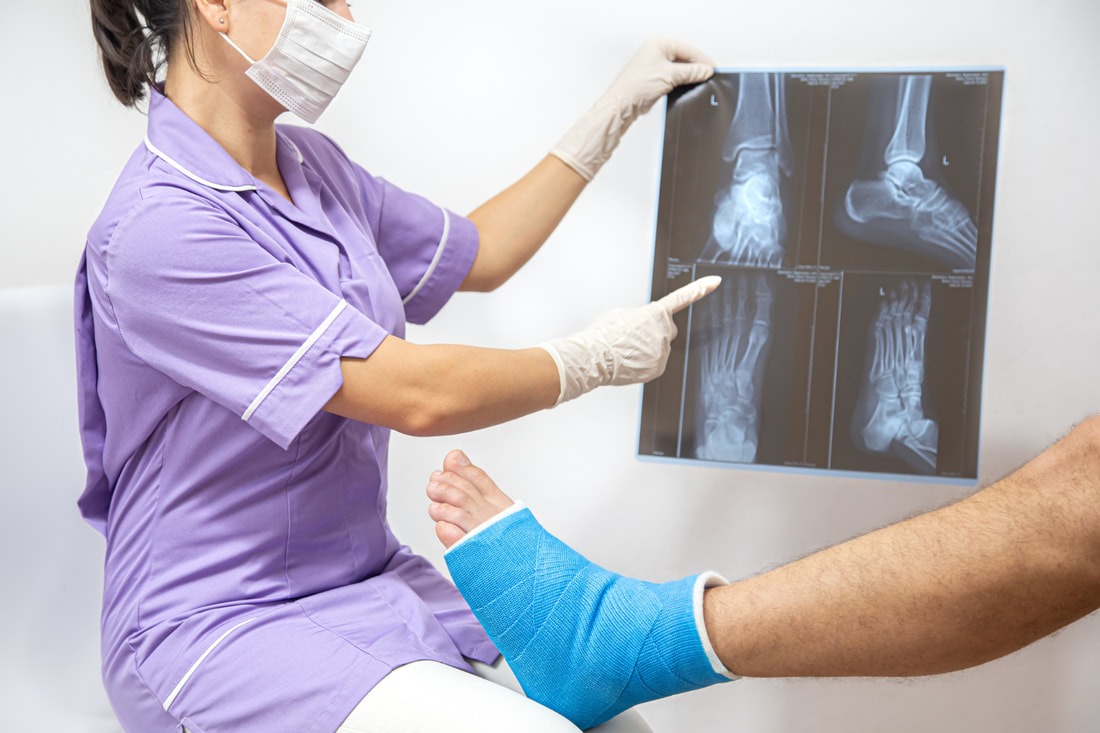
Treatment for sports injuries depends on the severity, location, and type of damage involved. Once orthopedic surgeons have evaluated the injury through a physical examination and imaging tests, they can recommend a treatment plan. Non-surgical management includes rest, physical therapy, bracing, and anti-inflammatory medication, while surgical intervention may involve arthroscopic repair or joint replacement.
Minor sprains and strains may respond well to conservative treatment, but more complex injuries require surgical correction to restore function. The appropriate approach depends on the nature and extent of the damage. Because follow-up care plays a central role in recovery, orthopedic surgeons monitor healing progress through scheduled visits and adjust rehabilitation protocols as the patient regains strength and range of motion.
How Is Orthopedic Care Beneficial?
Working with a surgeon offers several advantages for patients recovering from sports injuries. Accurate diagnosis prevents misidentification of conditions, which may otherwise worsen without proper treatment. Some surgeons specialize in sports medicine; this allows them to design recovery plans suited to an athlete’s specific needs.
Structured rehabilitation under orthopedic guidance may reduce the likelihood of re-injury. Because athletes sometimes return to activity too soon, supervised rehabilitation protocols provide a structured timeline that supports safe recovery. Patients gain access to a coordinated care team who work alongside the surgeon, and this collaborative model supports healing. Consulting a specialist helps determine the right approach for each situation.
Manage Your Sports Injury
Sports injuries range from minor strains to complex tears requiring surgical repair; orthopedic surgeons play an integral role in diagnosing and treating each type. Their specialized training allows for precise treatment planning. Patients benefit from coordinated care that supports a safe return to activity. If you’re dealing with pain, swelling, or reduced mobility following a sports-related incident, consult an orthopedic surgeon.