
Identifying When It’s Time To Seek Help for Foot Pain
October 5, 2026
Understanding the Role of Asthma Inhalers
October 5, 2026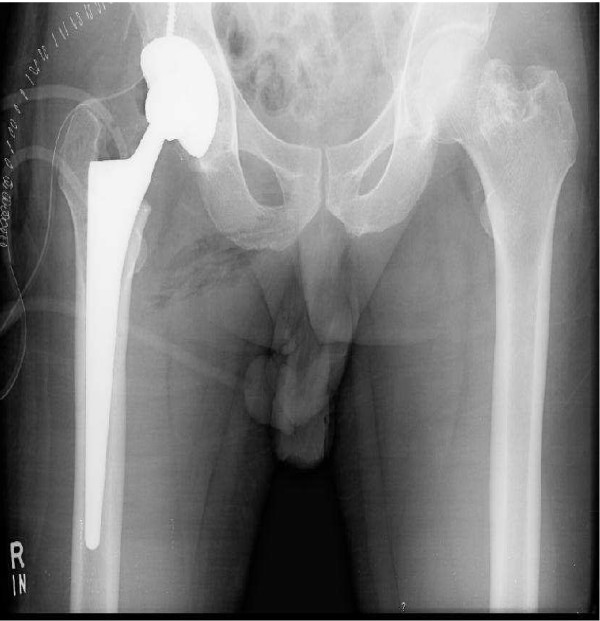
Joint replacement surgery removes damaged parts of a joint and replaces them with artificial components. Surgeons typically replace hips and knees, but they also treat shoulders, ankles, and elbows. Since the procedure involves major surgery and a long recovery, your care team reviews several factors first. Here are some of the key areas to discuss with your surgeon:
Control of Chronic Conditions
Chronic health conditions raise the risk of complications, so your care team checks them before surgery. Stable numbers support safer anesthesia and wound healing. If your blood sugar or blood pressure runs high, your surgeon may delay the procedure. You may need clearance from your primary care doctor or a specialist for joint replacement surgery. Check these conditions:
- Diabetes: A1C level and daily blood sugar readings
- Heart disease: Clearance from a cardiologist and a recent EKG
- Blood pressure: Readings within a stable range
- Kidney disease: Lab tests that measure kidney function
- Obesity: Body mass index, which affects implant stress and infection risk
Patient Candidacy
When joint pain limits daily tasks like walking or climbing stairs, a surgeon may recommend an evaluation. The evaluation includes a physical exam, imaging, and a review of your medical history. X-rays show the extent of joint damage, and the exam measures your range of motion and strength. Your surgeon uses these results to judge whether surgery fits your situation.
Patients may try other treatments first, and many use them for months or years. Surgeons look at whether physical therapy, medication, injections, or weight loss have eased symptoms. Surgery typically follows the failure of these conservative options. Your surgeon will ask what you have already tried.
Age alone does not rule a person in or out. Your surgeon looks at bone quality, body weight, and overall health because these factors affect healing. Some people in their 50s qualify, while others do not. Each decision depends on the individual case.
Nicotine and Alcohol Use
Since nicotine narrows blood vessels, it reduces blood flow to healing tissue. Smokers face higher rates of infection, and their bone may bond more slowly with the implant. Many surgeons ask patients to quit all nicotine products at least four to six weeks before surgery. This includes cigarettes, vapes, patches, and gum.
Heavy alcohol use also affects surgical outcomes. It may interfere with anesthesia, and it raises the risk of bleeding and falls during recovery. If you drink daily, tell your surgeon so the team can plan for withdrawal risks. Some programs offer support if you want to cut back before surgery.
Goals That Are Realistic
Joint replacement aims to reduce pain and improve function, but results vary from person to person. Most patients need several months of rehab before they return to their usual activities. Some activities may stay off-limits. Your surgeon may advise against running or jumping sports, and you may notice some lasting stiffness.
- How long recovery typically takes for your specific joint
- Which activities you may resume, and when
- How long your implant may last
- What your physical therapy schedule will involve
- Who will help you at home during the first few weeks
Schedule a Joint Replacement Consultation
A consultation gives you time to review these factors with a specialist, and it lets you ask questions. If you have recent X-rays or MRI results, bring those to your visit. Please also bring a list of your medications and past surgeries. Call our office today to schedule your joint replacement consultation.