Choosing the Right Medspa for Your Skincare Needs
October 23, 2026
Building Resilience Against Anxiety
October 23, 2026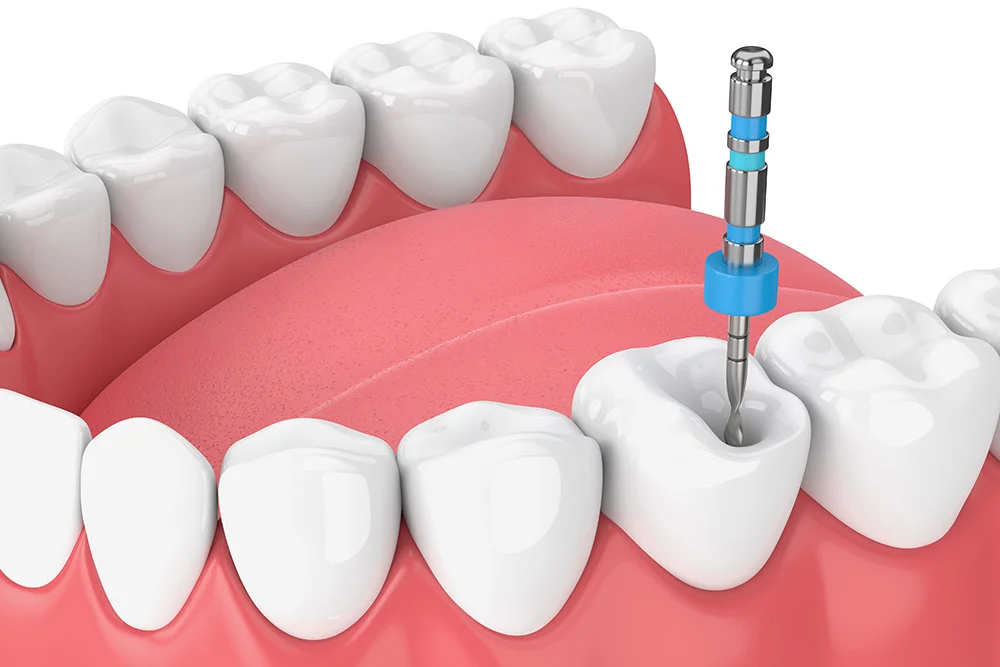
Each tooth has a layered structure. The hard outer enamel and the dentin beneath it surround a soft core called the pulp; it contains nerves, blood vessels, and connective tissue. A fully developed tooth can often continue to function without its pulp, since the surrounding tissues keep supporting it. Root canal treatment removes damaged or infected pulp, cleans the interior spaces, and seals them.
Who Requires Root Canal Treatment?
The pulp can become inflamed or infected for several reasons. A cavity may become deep enough that it reaches the inner tissue and infects the pulp. A blow to the mouth from a fall or sports injury can damage the pulp, sometimes without leaving visible cracks. Chips and fractures may also expose or irritate the pulp. People who should seek an evaluation for a possible pulp problem can experience certain symptoms, and these include:
- Tooth pain that persists, especially when biting down
- Sensitivity to heat or cold
- Teeth that appear darker than nearby teeth
- Gums that are swollen or tender near a specific tooth
- Bump on the gums
During an evaluation, a dentist may take X-rays to view the roots and surrounding bone. These findings help the dentist determine whether root canal treatment or another approach suits the tooth.
What Does It Involve?
Root canal treatment may be completed in one visit or divided across two. This depends on certain factors, such as the extent of infection. Most treatments follow a similar sequence, and this typically includes:
- Numbing the Area: The dentist applies a local anesthetic to the tooth and surrounding tissue.
- Isolating the Tooth: A small rubber sheet, called a dental dam, surrounds the tooth to keep it clean and free of saliva.
- Creating an Opening: The dentist makes a small access point through the top of the tooth to reach the pulp chamber.
- Removing the Pulp: The dentist clears the inflamed or infected tissue from the chamber and each canal.
- Disinfecting and Shaping: The canals are rinsed and shaped to hold filling material.
- Sealing the Canals: The dentist fills and seals the canals with gutta-percha.
- Closing the Tooth: A temporary filling covers the opening until the permanent restoration is placed.
At a later visit, the dentist may place a permanent filling or crown.
What Should You Do After?
Some tenderness around the treated tooth is common for several days. Dentists can recommend over-the-counter pain relievers. Until the permanent restoration is complete, the treated tooth may be more fragile than usual. Avoiding hard foods can lower the risk of damaging the temporary filling. Brushing and flossing should continue as usual. A follow-up appointment allows the dentist to check healing, and they can place the final crown or filling. Patients are generally advised to contact the dental office if they notice severe pain.
Consult a Dental Professional
Prompt evaluation of tooth pain or sensitivity gives a dentist the opportunity to review every available option while the natural tooth can still be retained. When a tooth is unable to be saved, the dentist may discuss extraction; this is typically followed by installing a dental implant to restore function and fill the space. If you notice ongoing tooth discomfort, gum swelling, or a change in tooth color, a dental professional can examine the tooth and explain the treatment options that fit your needs.