Understanding the Different Types of Knee Surgery
October 16, 2026
Who Needs Mohs Surgery
October 16, 2026
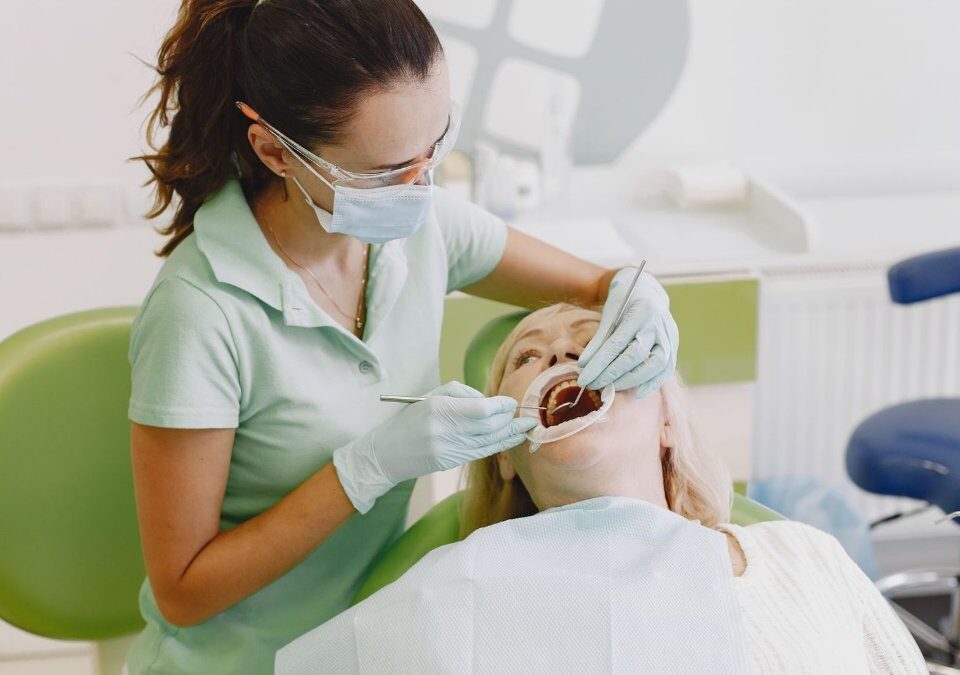
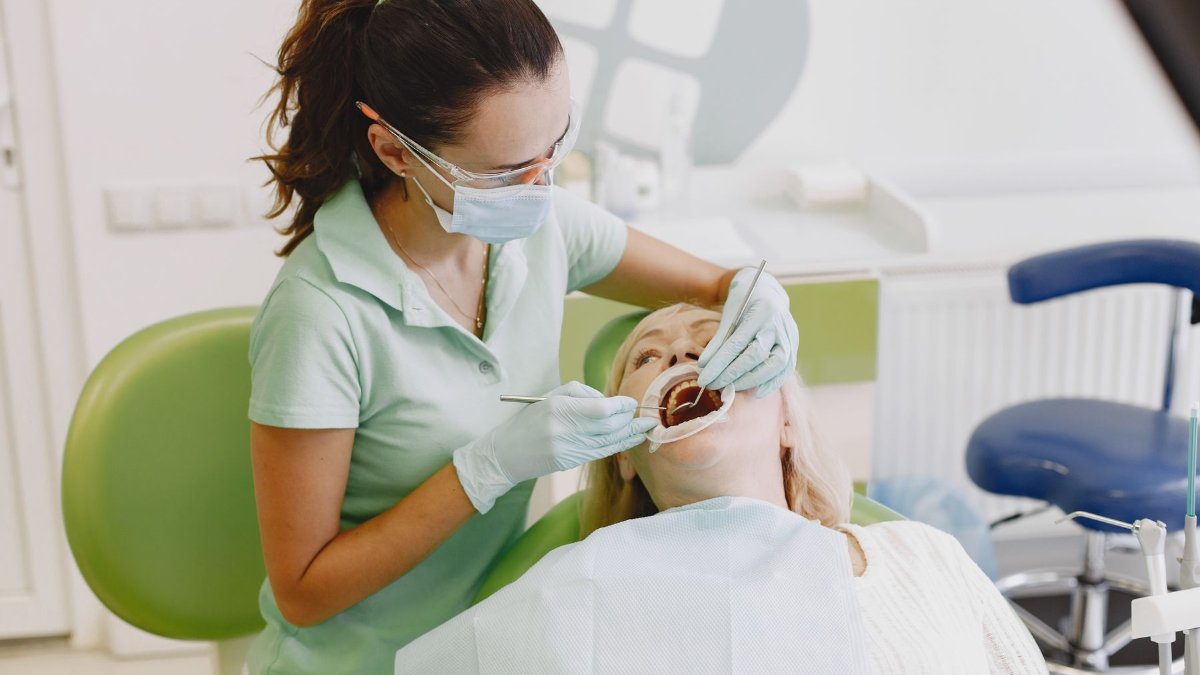
A dentist supports oral hygiene through professional cleanings, routine examinations, and guidance on maintaining healthy teeth and gums. Although daily brushing and flossing remove plaque, certain areas of the mouth require additional attention during dental visits. Regular dental appointments allow providers to identify early signs of tooth decay, gum disease, and other oral health concerns. Here is more information about the role of a dentist in maintaining oral hygiene:
Treating Gum Disease Early
Gum disease often begins with mild symptoms, including redness, swelling, or bleeding during brushing and flossing. A dentist evaluates gum health through visual examinations and measurements of the spaces between teeth and gums. Because early gum disease may develop without noticeable pain, routine dental visits help identify changes before symptoms become more pronounced. Untreated gum disease may progress and damage the tissues and bone supporting the teeth.
Periodontal therapy addresses gum disease through treatments selected according to the severity of inflammation and infection. Scaling and root planing remove plaque and tartar from below the gumline while smoothing affected root surfaces. Dentists also provide personalized brushing and flossing guidance to support gum health between appointments. Follow-up examinations allow providers to monitor treatment responses and determine whether additional periodontal care is needed.
Guiding Children’s Dental Health
Pediatric dentistry addresses children’s changing oral health needs through routine examinations, preventive treatments, and age-appropriate dental education. Dentists monitor tooth eruption, jaw development, and oral hygiene habits while identifying potential concerns during regular appointments. Because childhood habits influence dental development, providers also guide parents on brushing techniques, teething, and thumb sucking. Common signs that may require additional dental evaluation include:
- Noticing delayed tooth eruption or irregular patterns of tooth development.
- Identifying visible plaque buildup despite regular brushing and flossing.
- Recognizing tooth sensitivity or discomfort during eating and drinking.
- Observing persistent thumb sucking that may affect tooth positioning or jaw development.
- Detecting unusual tooth spacing or crowding as permanent teeth emerge.
Restoring Damaged Teeth
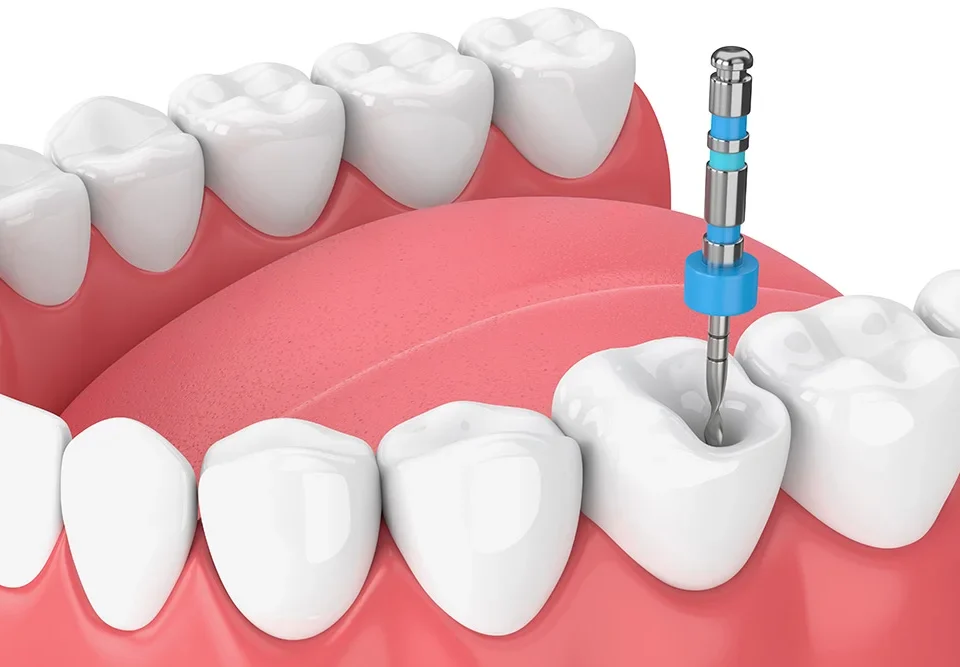
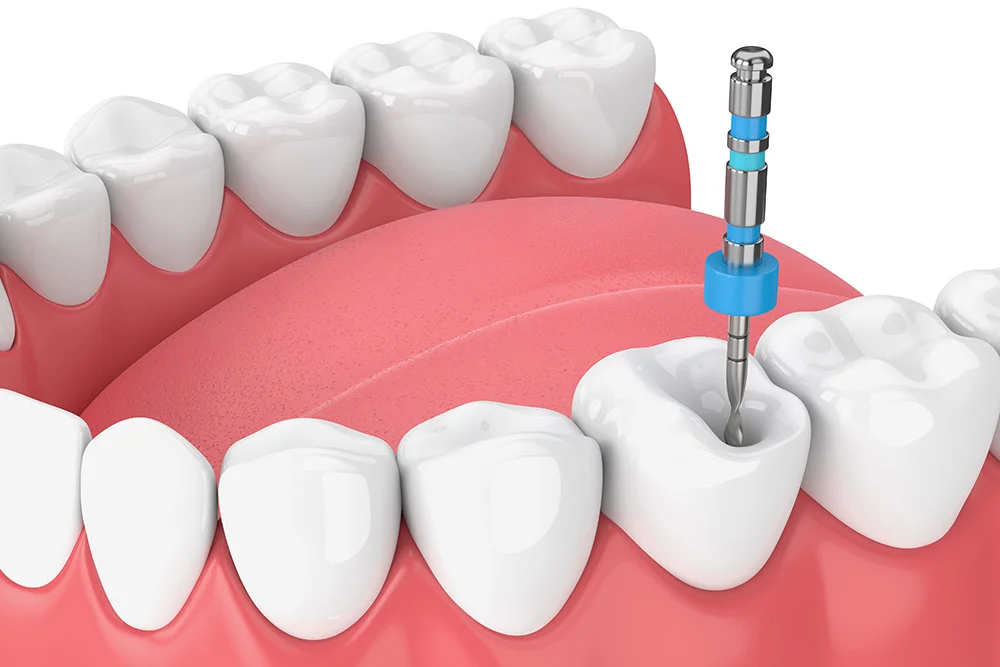
Dental emergencies include cracked teeth, oral injuries, severe toothaches, and infections that require prompt evaluation. Emergency dentists assess the affected area, identify the source of discomfort, and recommend treatment based on the severity of the condition. Depending on the findings, treatment may involve dental restorations, extractions, or oral surgery to address damaged teeth and surrounding tissues. Because untreated dental problems sometimes lead to additional complications, timely professional care helps manage symptoms and address underlying concerns.
Addressing Dental Emergencies
Dental emergencies include cracked teeth, oral injuries, severe toothaches, and infections that require prompt evaluation. Emergency dentists examine the affected area, identify possible damage, and recommend treatment based on individual needs. Depending on the condition, treatment may involve dental restorations, infection management, or other procedures to address discomfort.
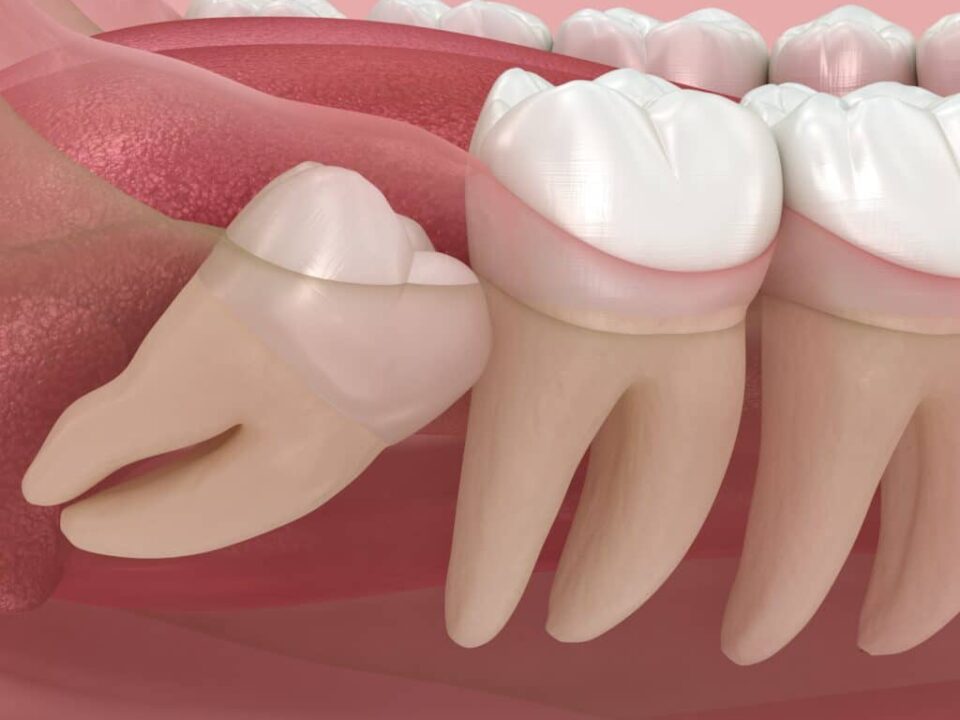
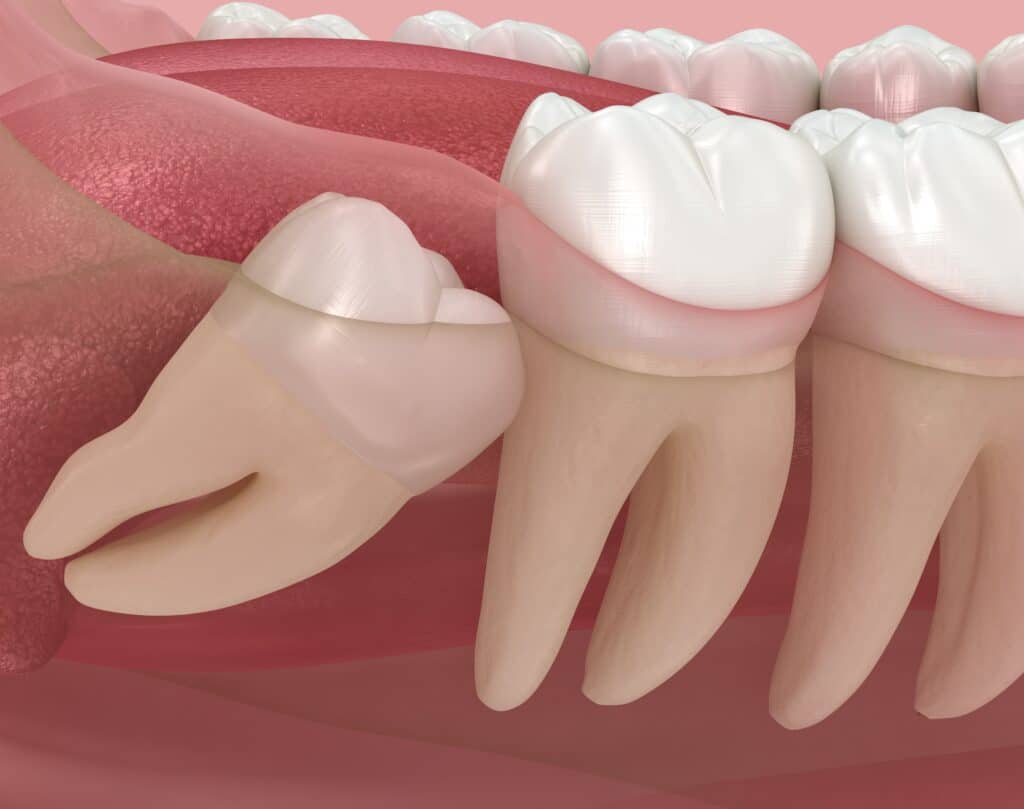
Tooth extractions and oral surgery are sometimes necessary when damage or infection prevents a tooth from being restored. Wisdom teeth may also require removal when they cause pain, infection, or other dental complications. Because treatment needs vary, dentists evaluate each situation before recommending surgical or nonsurgical care.
Schedule Your Next Dentist Checkup
Maintaining oral hygiene involves daily brushing, flossing, and regular professional dental care. Routine cleanings remove plaque and tartar, while dental examinations help identify tooth decay, gum disease, and other concerns. Depending on individual needs, dentists may recommend periodontal therapy, restorative procedures, pediatric services, or additional treatments. Schedule your next dental checkup today to evaluate your oral health and discuss appropriate preventive care.