The Benefits of Regular Check-ups in Primary Care Settings
October 13, 2026
Coping With Menopause Symptoms
October 14, 2026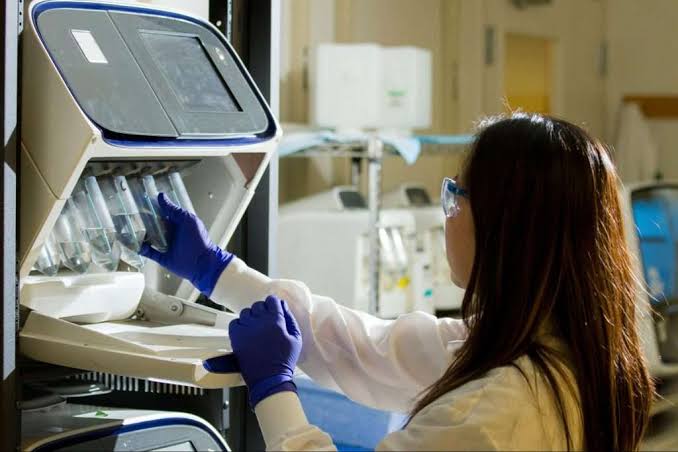
Platelet-rich plasma (PRP) therapy uses parts of your own blood to support tissue repair. Many patients ask about its safety, and many want to know what results to expect. You will also learn when other options, such as stem cell therapy or perineurial injections, may fit better.
Examining How PRP Works
Your blood contains plasma, red blood cells, white blood cells, and platelets. Plasma circulates blood cells, while platelets carry growth factors such as transforming growth factor (TGF). These growth factors signal cells to grow, and they help your body repair tissue. PRP concentrates platelets so more growth factors reach the treatment area. The process of preparing and delivering PRP follows a series of clear steps:
- Blood draw: A provider draws a small sample of your blood in a clinic setting, and most appointments last under an hour.
- Centrifuge separation: Your blood is spun at high speed to separate platelets from other components, resulting in plasma with a higher platelet concentration than normal blood.
- Tailored concentration: The concentration level varies depending on the preparation method, and your provider selects the approach based on your condition.
- Injection: The prepared plasma is injected into the target area, and imaging may guide the needle for precision.
- Comfort measures: A topical numbing agent may be applied beforehand to reduce discomfort during the injection.
Assessing PRP Safety
These effects usually fade within a few days, but report any lasting pain to your provider. Since some patients notice mild redness or warmth around the area, these reactions are a normal part of the initial response. PRP comes from your own blood. The risk of an allergic reaction is generally low. Infection and nerve injury are rare risks, and clinics reduce them when staff follow sterile procedures.
Providers also screen patients beforehand, since this step helps identify those at higher risk for complications. Monitoring your recovery matters. Keep a simple log of your symptoms after each session, and note any changes in pain level, swelling, or range of motion. Share this information at follow-up visits, since it helps your provider assess how well your body is responding. Rest and ice can help you manage discomfort after your visit. If your symptoms worsen rather than improve, contact your provider promptly so they can evaluate the area and adjust your care plan if needed. PRP is not suitable for everyone.
Evaluating PRP Efficacy
Research on PRP continues to grow. Studies have examined PRP for tendon injuries, joint pain, and hair loss, and results differ across conditions. Outcomes depend on several factors, including injury type, age, and how the PRP is prepared. The platelet concentration used, number of injections given, and session intervals all influence how well the treatment works. Some patients need a series of injections before they notice changes. Ask your provider which studies apply to your condition. Chronic conditions tend to respond differently than acute injuries. A long-standing tendon problem may require more sessions than a recent strain, and tissue health affects how well growth factors are absorbed. Your provider will discuss the severity of damage, injury location, and your overall health when estimating what results to expect.
Book an Appointment Today
PRP is one regenerative option among several. Write down your symptoms, and list any medications you take. Bring these notes to your consultation, and ask your provider how PRP compares to stem cell therapy or perineural injections. Schedule an evaluation since your provider can determine whether PRP suits your needs.