Lifestyle Adjustments to Alleviate Hip Pain
October 15, 2026
How Laser Nail Fungal Treatment Can Restore Your Nail Health
October 15, 2026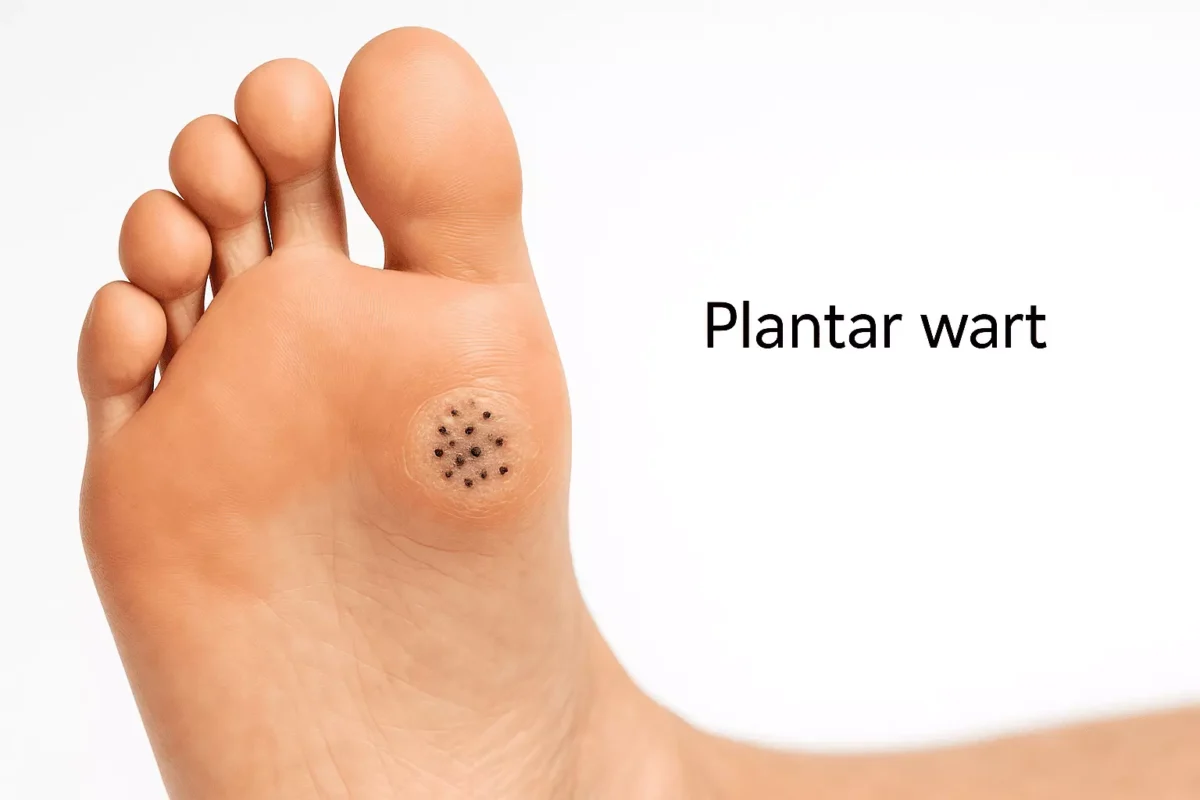
Plantar warts are small, rough skin growths that develop on the soles or toes following a human papillomavirus (HPV) infection. These growths sometimes resemble calluses and may contain tiny black dots, while pressure during walking is able to cause discomfort. Although some warts resolve without treatment, persistent or painful growths may require evaluation and treatment from a podiatrist. Here is more information about getting professional help for a plantar wart:
Recognizing Plantar Warts
Plantar warts develop on the soles of the feet and occasionally appear on the toes. These growths often resemble calluses, but small black dots may appear within the affected skin. The dots represent tiny blood vessels, and some warts cause discomfort when pressure is applied. Although certain plantar warts resolve without treatment, others persist or become painful during walking.
Warts located on weight-bearing areas, such as the heels or balls of the feet, may cause tenderness. Some individuals adjust their walking patterns to avoid pressure on the affected area, which can influence normal movement. Because other foot conditions resemble warts, podiatrists examine suspicious growths to determine an appropriate diagnosis and treatment approach.
Understanding the HPV Connection
Plantar warts develop when certain strains of human papillomavirus (HPV) infect the skin on the feet. The virus enters through small breaks in the skin, although not everyone exposed to HPV develops visible warts. HPV spreads through direct skin contact and contaminated surfaces, particularly in shared areas such as locker rooms and communal showers. Because children and adolescents frequently develop warts, regularly examining their feet may help identify new growths.
Preventing Further Spread
Preventing plantar warts involves limiting exposure to HPV and maintaining consistent foot hygiene. The virus spreads through direct contact and contaminated surfaces, particularly in shared environments where people frequently walk barefoot. Because small breaks in the skin provide entry points for HPV, protective footwear and proper foot care help reduce exposure. Recommended preventive habits include:
- Wearing protective footwear in public showers, locker rooms, and pool areas.
- Changing socks regularly to limit prolonged moisture around the feet.
- Drying feet thoroughly after bathing, swimming, or exercising.
- Rotating shoes frequently to allow footwear to dry between uses.
- Checking children’s feet for unusual growths or changes in skin texture.
- Avoiding shared personal items such as towels, socks, and shoes.
- Refraining from touching warts to reduce the likelihood of spreading the virus.
Exploring Professional Treatments
Plantar wart treatments vary depending on the growth’s size, location, and response to previous care. Over-the-counter products containing salicylic acid may help remove certain warts through gradual exfoliation. Because some warts persist despite home treatment, a podiatrist may recommend additional treatment options.
Professional treatments include prescription-strength topical medications, compounded wart solutions, and cryotherapy. Cryotherapy uses a freezing agent to damage wart tissue, while topical treatments gradually remove affected skin. Some warts require multiple treatment sessions, depending on their characteristics and response.
Surgical removal may be recommended when plantar warts remain painful or do not respond to other treatments. This outpatient procedure typically involves local anesthesia, and recovery depends on the treated area’s size and location. A podiatrist evaluates the affected skin before discussing treatment options, recovery expectations, and appropriate follow-up care.
Knowing When to See a Podiatrist
Plantar warts may require professional evaluation when they grow, multiply, bleed, or cause discomfort during standing or walking. People with diabetes or circulation problems should seek medical guidance before attempting home treatment for new foot growths. Because warts sometimes resemble corns or calluses, podiatrists examine the affected skin to determine an accurate diagnosis. Treatment recommendations depend on the growth’s characteristics, associated symptoms, and individual medical history.
Schedule a Foot Exam Today
Plantar warts vary in size and severity, sometimes causing discomfort during standing or walking. Recognizing unusual skin growths and practicing preventive foot care may help limit irritation and viral transmission. Because persistent or painful warts sometimes require professional treatment, podiatrists evaluate affected areas and recommend appropriate removal options. Schedule a plantar wart evaluation today to receive an accurate diagnosis and discuss treatment options for your foot concerns.