Understanding the Expertise of a Pain Medicine Specialist in Chronic Conditions
October 14, 2026
Getting Professional Help for a Plantar Wart
October 15, 2026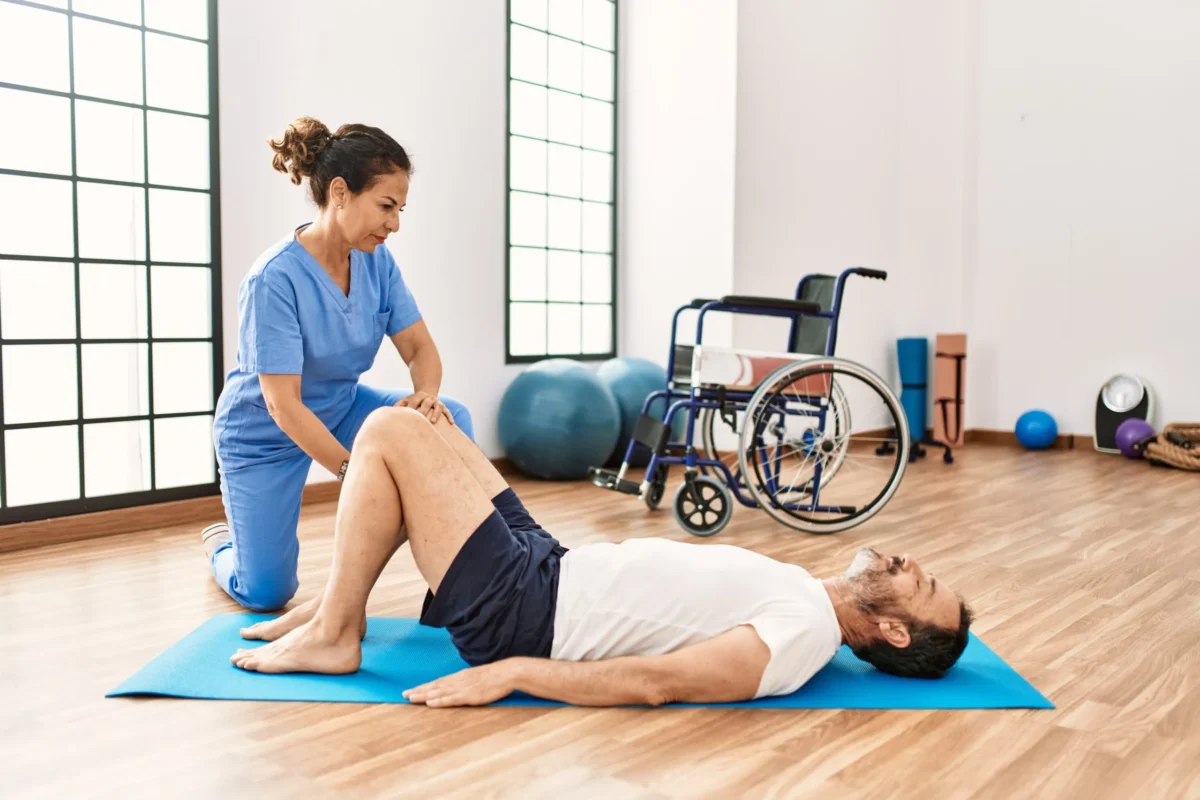
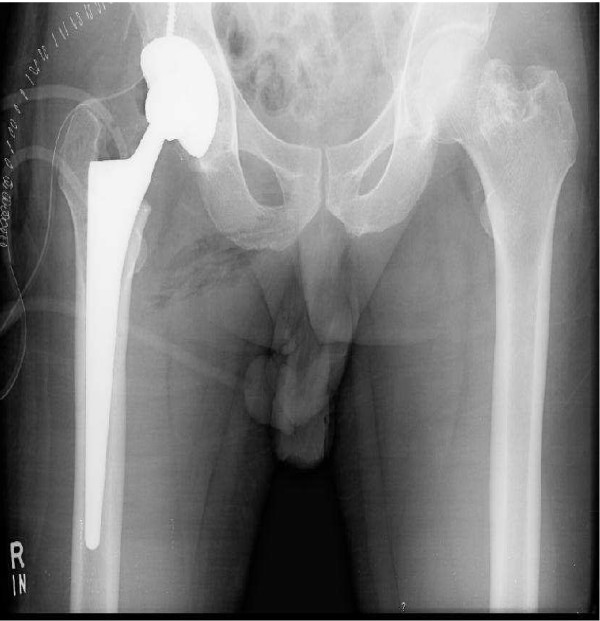
Hip pain may result from repetitive movements, injuries, or age-related joint changes, sometimes causing stiffness, weakness, and limited mobility. Lifestyle adjustments such as modifying activities, applying heat, and performing recommended exercises help manage discomfort and support joint function. Because hip pain has different causes, orthopedic providers evaluate symptoms before recommending treatments such as physical therapy or assistive devices. Here is more information about lifestyle adjustments to alleviate hip pain:
Understanding Pain Causes
Hip pain may develop from injuries, repetitive movements, joint inflammation, or degenerative conditions affecting surrounding tissues. Symptoms sometimes include stiffness, swelling, weakness, and limited mobility, while certain conditions also cause clicking or grinding sensations. Because hip pain has several possible causes, orthopedic providers evaluate symptoms and medical history before recommending treatment. Common conditions associated with hip pain include:
- Experiencing muscle or ligament injuries from overuse or sudden movements.
- Developing osteoarthritis that affects cartilage and joint movement.
- Experiencing bursitis involving inflammation of fluid-filled sacs near the hip.
- Developing hip labral tears affecting cartilage surrounding the hip socket.
- Experiencing nerve irritation that causes pain extending from the lower back.
- Developing hip impingement involving abnormal contact between hip bones.
- Experiencing sacroiliac joint dysfunction affecting the connection between the spine and pelvis.
- Developing tight hip flexors that contribute to discomfort during movement.
- Experiencing cartilage injuries affecting the surfaces of the hip joint.
Limiting Strenuous Daily Activities
Repetitive movements and high-impact activities may contribute to hip discomfort by placing additional stress on joints and surrounding tissues. Activities such as running, squatting, and climbing stairs sometimes worsen symptoms, particularly when inflammation or overuse injuries are present. Because activity tolerance varies, modifying strenuous movements helps reduce discomfort while allowing time for recovery.
Reducing physical strain does not necessarily require avoiding all exercise or daily movement. Lower-impact activities, such as swimming or stationary cycling, may provide alternatives when recommended by a healthcare provider. Taking regular breaks during prolonged standing and adjusting demanding routines also helps limit repetitive stress. An orthopedic specialist can recommend appropriate activity modifications based on the underlying cause of hip pain.
Strengthening Hips Through Exercise
Targeted exercises help strengthen muscles surrounding the hip joint, including the glutes, hip flexors, and supporting muscle groups. These muscles contribute to joint stability and movement, while weakness may increase strain on surrounding tissues. Because hip conditions vary, exercise recommendations should reflect individual symptoms and physical abilities.
Gentle strengthening exercises may include bridges, side-lying leg raises, and other controlled movements. Gradually increasing exercise intensity allows patients to monitor discomfort while developing strength and mobility. A physical therapist may recommend specific exercises based on the underlying cause of hip pain.
Stretching exercises also support hip flexibility and range of motion, particularly when muscle tightness contributes to discomfort. Regular movement helps reduce stiffness, while excessive stretching or strenuous activity sometimes aggravates existing injuries. Following a recommended exercise routine provides a structured approach to managing hip symptoms over time.
Applying Heat for Relief
Heat therapy may help relax tight muscles, reduce stiffness, and improve comfort around the hip joint. Applying gentle warmth before stretching or light activity sometimes makes movement more comfortable, while individual responses vary. Because excessive heat is able to irritate sensitive skin, patients should use moderate temperatures and avoid applying heat directly to the skin. Common heat therapy practices include:
- Applying warm compresses to areas affected by muscle tightness.
- Using heating pads at comfortable temperatures for short periods.
- Warming muscles before stretching to prepare for gentle movement.
- Taking warm showers to help relieve temporary stiffness.
- Combining heat therapy with exercise when recommended by a healthcare provider.
Using Assistive Walking Devices
Assistive walking devices, such as canes and walkers, provide additional stability and support for individuals experiencing pain. These devices may reduce pressure on the affected joint, while proper positioning helps support balance during daily movement. Patients recovering from injuries or managing arthritis sometimes use walking aids to accommodate temporary or ongoing mobility limitations. Because individual mobility needs vary, healthcare providers evaluate walking patterns and recommend appropriate devices. A physician or physical therapist can also provide guidance on proper sizing and walking techniques to limit unnecessary strain.
Schedule Your Hip Pain Evaluation
Lifestyle adjustments help manage hip pain by reducing strain on the joint and supporting daily movement. Activity modifications, strengthening exercises, heat therapy, and assistive devices offer different approaches to managing discomfort. Because pain has several possible causes, orthopedic providers evaluate symptoms and recommend treatments based on individual needs. Schedule a hip pain evaluation today to discuss your symptoms and explore available treatment options.