How Retina Specialists Diagnose Eye Conditions
October 22, 2026
How Botox Can Enhance Your Natural Looks
October 23, 2026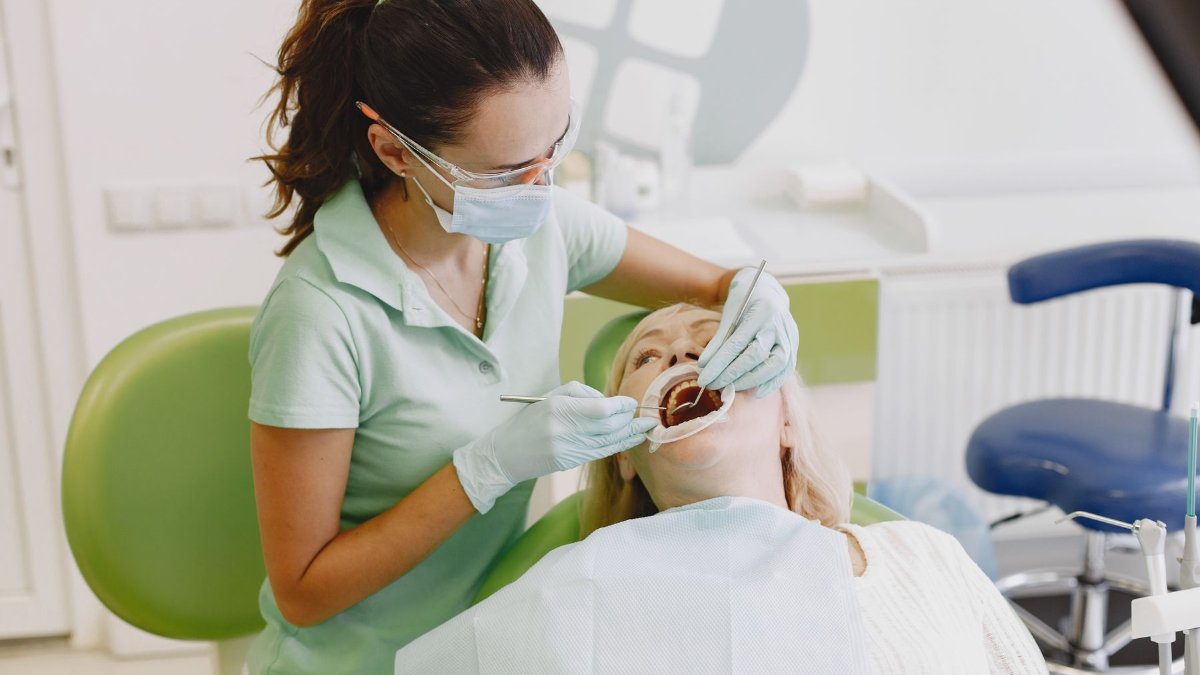
Dental implants are fixed restorations that replace missing teeth, and each has three main components. A titanium post is anchored in the jawbone, an abutment connects the post to the crown, and a crown is designed to replicate the appearance and function of a natural tooth. Because implants are surrounded by living tissues, including the gums, jawbone, and adjacent teeth, changes in these structures may affect implant stability over time. Routine check-ups help monitor these changes. Here’s information about what to expect during implant evaluations and how to maintain these restorations between visits:
Reviewing What Check-Ups Include
A dental implant check-up follows a structure similar to a standard exam, but targets the implant and surrounding tissues more precisely. Your dental professional reviews your health history, asks about any changes you’ve noticed, and visually inspects your mouth. Some visits also include X-rays to assess the bone beneath the gumline. Professional cleaning is a fundamental part of each appointment. To prevent damage, hygienists may use specialized instruments designed for implant surfaces. Your dental team sets a visit schedule tailored to your specific situation, so frequency varies from patient to patient.
Recognizing the Value of Monitoring
Dental implants are durable, yet the environment around them is not static. Bone levels, gum tissue, and bite patterns can shift gradually over the years. Routine visits give your dental team a structured method to track those changes, with each check-up adding to a growing record of your implant’s history.
When professionals compare X-rays and measurements from earlier visits, they build a clearer picture of how the implant and its surrounding tissue behave over time. That record lets them identify patterns, and it helps them decide which follow-up steps to discuss with you. Appointments also give you a chance to ask questions. If you notice a change in how your implant looks or how your bite aligns, a scheduled visit allows you to address it.
Examining What Professionals Assess
During a check-up, dental professionals review several key areas of the implant and surrounding tissue. Areas of focus may include:
- Gum tissue: color, texture, and any swelling or bleeding around the implant
- Bone levels: how the bone around the post appears on X-rays
- Implant stability: whether the post and its components remain firmly in place
- Crown condition: signs of wear, chips, or loosening in the restoration
- Bite alignment: how the upper and lower teeth meet during chewing
- Buildup: plaque or tartar accumulation on the implant and nearby teeth
Maintaining Implants Between Visits
Daily home care plays a fundamental role in supporting professional check-ups. Brush twice a day using a soft-bristled toothbrush, and pay attention to the area where the crown meets the gumline. Plaque can accumulate more easily here, which sometimes leads to gum inflammation and peri-implant disease if left untreated.
Cleaning between the teeth is another key daily habit. Floss, interdental brushes, and water flossers are all practical options your hygienist may suggest, depending on the spacing and shape of your restoration. Lifestyle habits also affect implant longevity. Chewing ice, biting hard objects, or using your teeth to open packaging adds stress to any restoration, so avoid these habits.
Note any new developments; this includes regular bleeding, a loose-feeling crown, or a shift in your bite. Bring your concerns up at your next scheduled visit so your dentist can assess them and recommend a solution. If changes seem significant, contact your dental office promptly rather than waiting.
Ask About Dental Implants
Regular check-ups give dental professionals a structured way to monitor implant stability, surrounding tissue health, and bone support over time. Consistent home care between appointments reinforces that professional oversight; this includes daily brushing and flossing. Contact your dental office today to schedule your next implant check-up and confirm which home care tools suit your restoration.