
Who Needs Mohs Surgery
October 16, 2026
Questions To Ask Your Gynecologist During a Visit
October 19, 2026
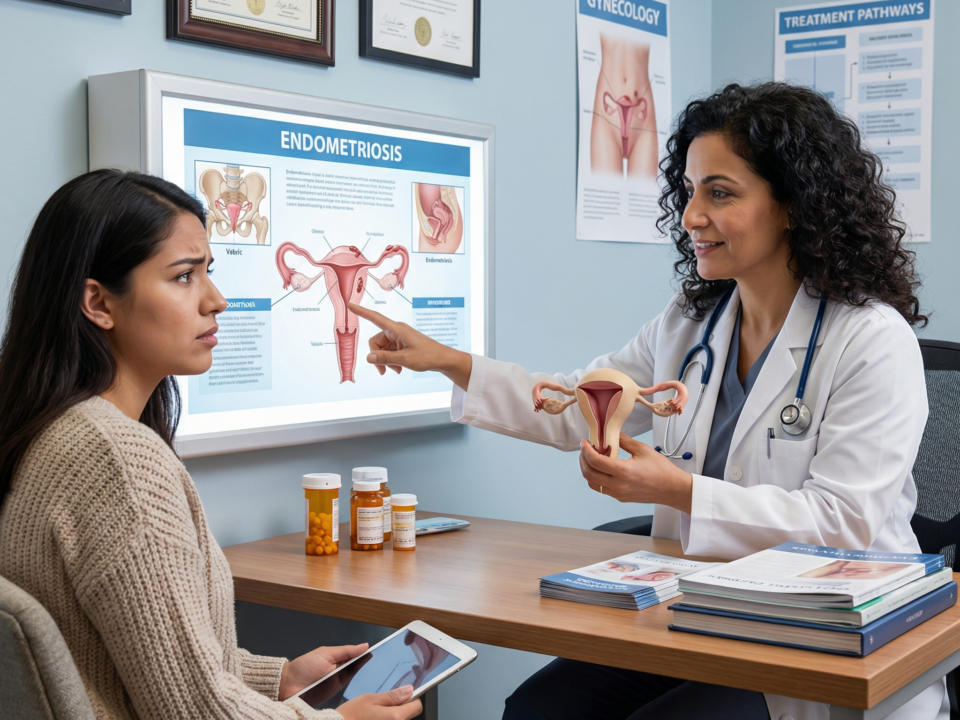
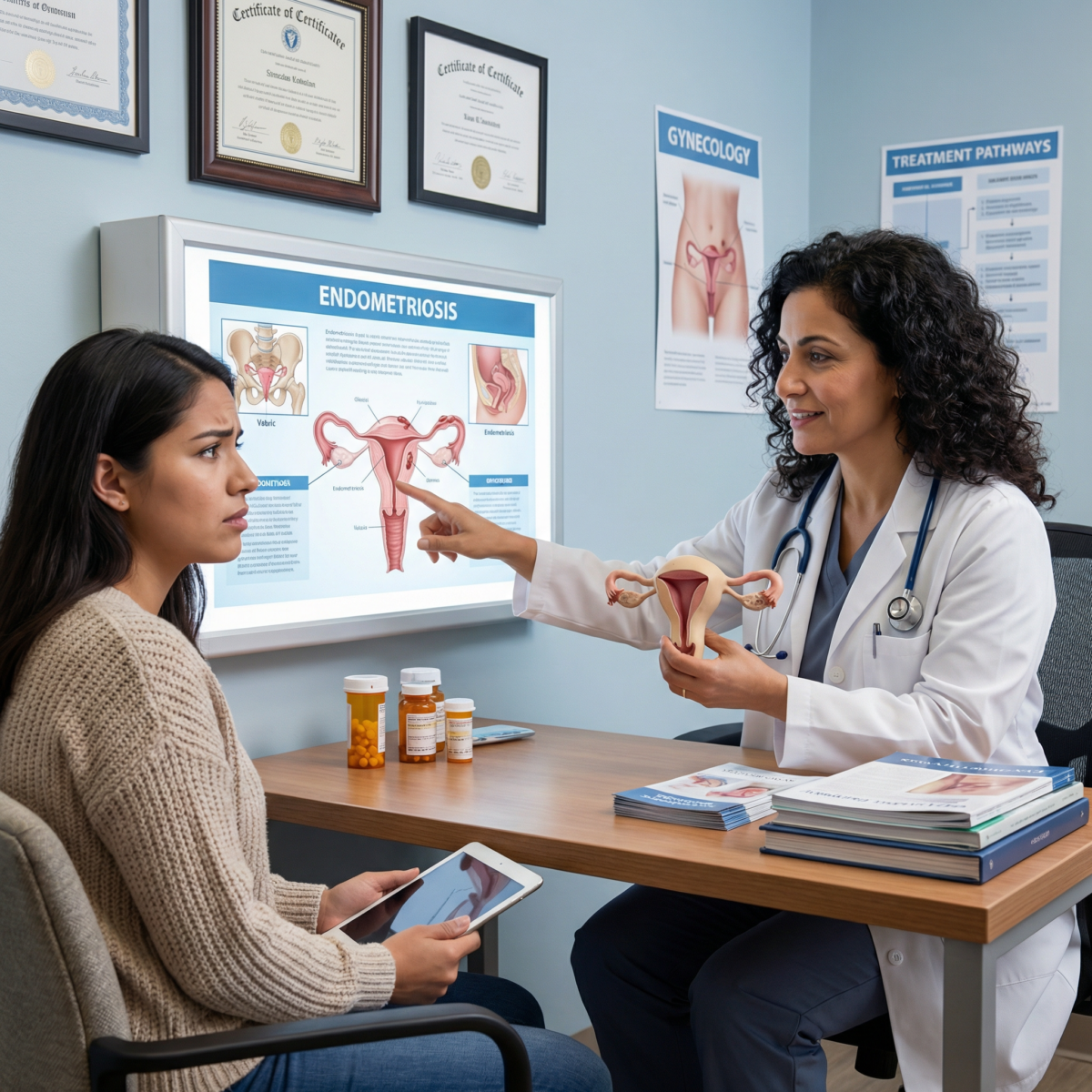
A first visit to an OBGYN typically includes reviewing medical history, discussing reproductive health concerns, and evaluating individual care needs. Depending on the patient’s age, symptoms, and medical history, the provider may recommend a physical examination or preventive screenings. Because gynecological needs vary, the appointment also provides an opportunity to ask questions and discuss appropriate follow-up care. Here is more information on what to expect from your first visit to an OBGYN:
Completing New Patient Paperwork
Many OBGYN offices provide forms before the appointment, allowing patients to complete their information in advance. Patients may also prepare the following information for their first visit:
- Listing current medications and supplements.
- Recording menstrual cycle dates and patterns.
- Documenting existing symptoms or health concerns.
- Reviewing family medical history for relevant conditions.
Providers use this information to guide discussions about gynecological health, preventive screenings, and individual care needs. Completing paperwork beforehand also allows more appointment time for discussing symptoms and reviewing potential next steps.
Discussing Health History and Concerns
An initial OBGYN appointment typically begins with a discussion of medical history, menstrual cycles, reproductive health, and current symptoms. Providers may also ask about sexual health, family medical history, contraceptive needs, and future reproductive goals. Because individual concerns vary, patients have opportunities to discuss irregular periods and birth control options. This conversation helps providers determine whether a physical examination, preventive screening, or additional testing is appropriate.
Undergoing A Physical Exam
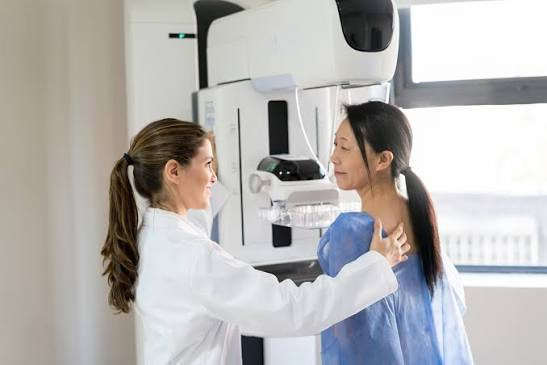
A first OBGYN appointment may include a physical examination following a discussion of medical history and current health concerns. Providers typically measure blood pressure, weight, and other relevant health indicators during the visit. Depending on the patient’s age, symptoms, and medical needs, additional examinations may be recommended.
A pelvic examination is not necessary during every initial OBGYN appointment. When indicated, the provider explains the examination process and discusses its purpose before proceeding. Patients have opportunities to express concerns and provide consent before the examination begins.
Some patients experience uncertainty or discomfort when preparing for their first gynecological examination. Providers explain each step, maintain communication, and respond to patient feedback throughout the process. Patients may request adjustments, ask for a pause, or decline an examination based on their comfort and preferences.
Addressing Questions And Next Steps
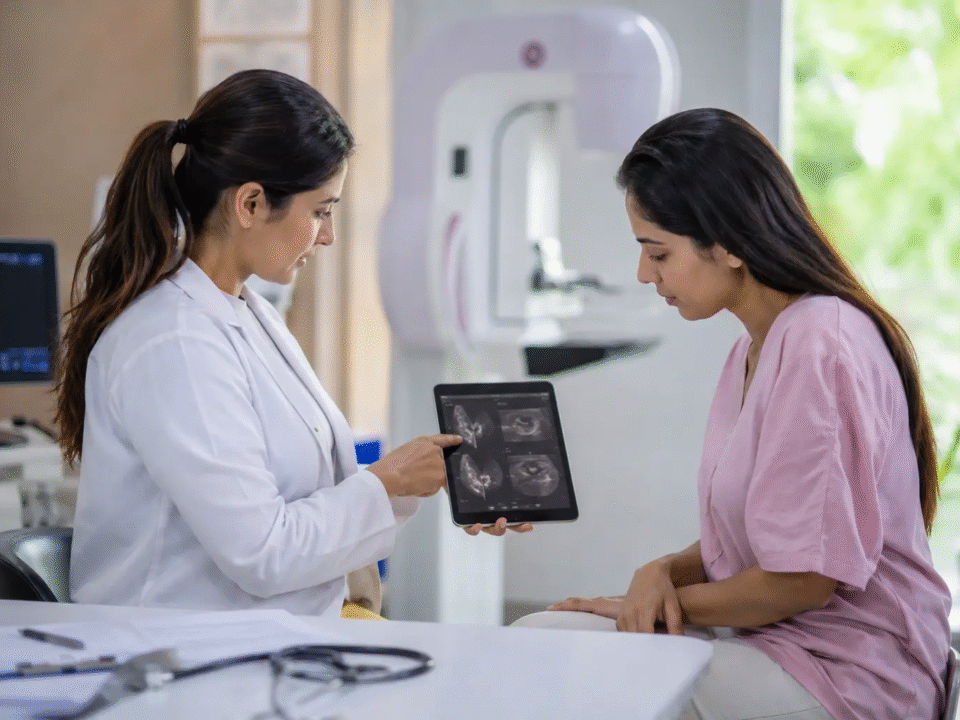
An initial OBGYN appointment typically concludes with a discussion of examination findings, recommended screenings, and possible follow-up care. Providers explain whether additional testing, treatment, or future appointments are appropriate based on individual health needs. Because patients may have concerns about symptoms or reproductive health, this conversation provides an opportunity to request clarification. Questions patients may ask during this discussion include:
- What do my examination results indicate?
- Which preventive screenings should I schedule?
- When should I return for another appointment?
- What symptoms should I monitor?
- Which treatment options are available?
- How should I prepare for additional testing?
- What changes should I report between visits?
Schedule Your First OBGYN Visit
A first OBGYN appointment provides an opportunity to discuss reproductive health, medical history, and individual concerns. Preparing questions and reviewing current medications beforehand helps patients organize information for their visit. Because gynecological needs vary, providers explain recommended examinations, preventive screenings, and follow-up care based on each patient’s health history. Schedule your first OBGYN appointment today to discuss your concerns and establish a plan for ongoing reproductive health care.