How Laser Nail Fungal Treatment Can Restore Your Nail Health
October 15, 2026
The Role of Your Dentist in Maintaining Oral Hygiene
October 16, 2026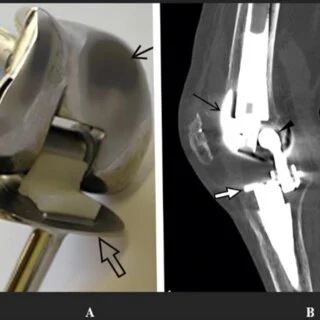
Knee surgery treats damage to the bones, cartilage, ligaments, and tendons, and it involves multiple strategies. Some procedures use tiny incisions, and others replace part or all of the joint. Since each procedure targets a different problem, the right choice depends on your diagnosis and overall health. Here are four types of knee surgery and how they can help:
Arthroscopic Surgery
A surgeon inserts a small camera through a tiny incision, and the camera sends live images to a monitor. To do this, thin instruments enter through one or two other small cuts. Surgeons use arthroscopy when they need to diagnose or treat problems inside the joint. This knee surgery procedure addresses several issues:
- Loose fragments of bone or cartilage
- Torn or frayed cartilage
- Torn ligaments, such as the ACL
- Inflamed joint lining
- Rough or damaged joint surfaces
Total or Partial Knee Replacement
When arthritis wears away the cartilage, the bones rub together and cause pain. A knee replacement swaps damaged surfaces for metal and plastic parts. Total replacement covers the whole joint, but a partial replacement treats only one area.
A partial replacement keeps more of your natural bone, and it often uses a smaller incision. In many cases, surgeons may suggest it only if the damage stays in one compartment. Healthy ligaments also matter for this option.
Hospital stays may last several days. Physical therapy starts soon after surgery, and it continues for several weeks or months. After surgery, your care team will give you an exercise plan that matches your recovery stage.
Meniscal Repair
When a meniscus tears, a surgeon may stitch the torn edges back together. Each knee has two C-shaped pieces of cartilage, and they cushion the space between your thigh bone and shin bone. Repair works ideally on tears near the outer edge with good blood flow. Your surgeon reviews several factors before choosing between repair and removal:
- Location of the tear
- Size and pattern of the tear
- Age and activity level
- Condition of the surrounding cartilage
A partial meniscectomy removes the damaged section instead of repairing it. Since the stitched tissue needs time to heal, recovery from a repair typically takes longer. Many patients use crutches for several weeks, and a brace may limit knee bending during healing.
Surgical Realignment
Surgical realignment, or osteotomy, changes the angle of your leg bones. This shift moves pressure away from the damaged side of the knee. Surgeons cut the shin bone, but some procedures involve the thigh bone. After the surgeon reshapes the bone, a metal plate holds it in place.
Doctors may suggest osteotomy for younger, active adults who have arthritis on one side of the knee. The procedure keeps your natural joint, and it may delay the need for a replacement. In many cases, bone healing takes several months.
Book a Knee Surgery Consultation
An orthopedic specialist will examine your knee and review your imaging. If you have an MRI or X-rays from another provider, bring copies to the visit. Each surgery addresses a specific problem, and no single option fits every patient. Book a knee surgery consultation to talk through your options with an orthopedic specialist.