

Questions To Ask Your Gynecologist During a Visit
October 19, 2026
The Connection Between Sports Medicine and Foot Health
October 20, 2026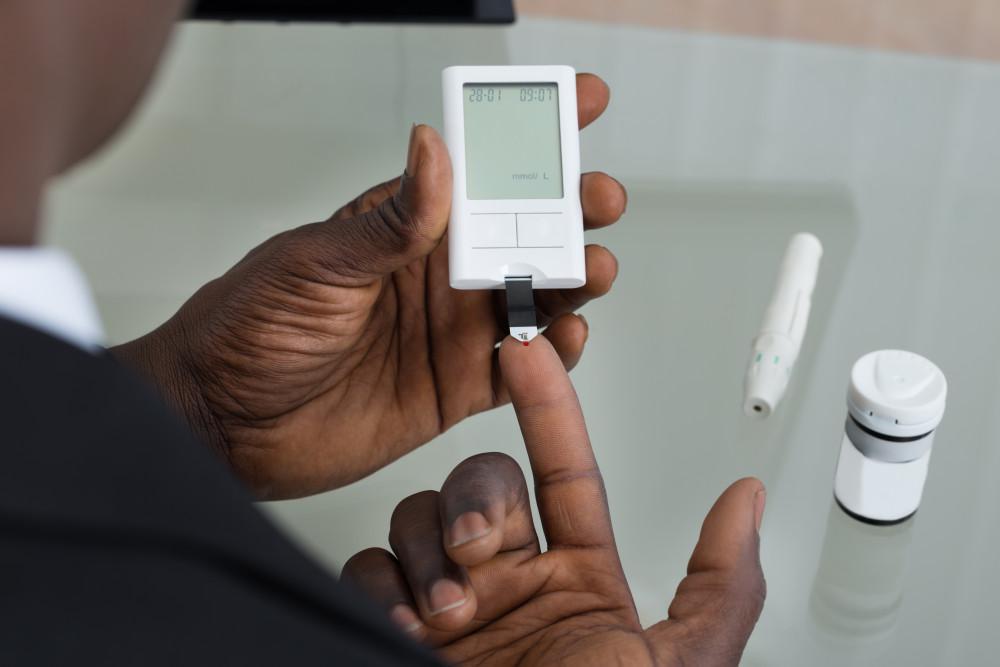
Diabetes affects how your body uses glucose for energy. Diabetes care focuses on blood sugar, but it also involves other parts of your health. After your provider reviews your history and lab results, they build a care plan, and you follow it daily. Understanding these connections can help you make informed decisions while taking an active part in your care.
Management of Chronic Conditions
Chronic disease management provides structure for long-term diabetes care. Your provider tracks your A1C, and they adjust your medications based on the results. Regular visits also help your provider spot blood sugar patterns over time. Annual Physicals add another layer of review. Because diabetes can affect many organs, these visits give your provider a fuller picture of your health. At each chronic care visit, your provider may:
- Check your fasting glucose.
- Review your home glucose readings.
- Recommend new tests when your numbers change.
- Update your treatment plan as needed.
Protection of Heart Health
Diabetes and heart disease share several risk factors. High blood sugar can affect blood vessels, and high blood pressure adds strain on the heart. If you have diabetes, your provider may check your cholesterol, and they will discuss heart disease prevention with you. Your provider may also ask about chest pain, shortness of breath, or swelling in your legs. Tracking these numbers gives your provider a fuller view of your health. Your provider will also review your blood pressure readings at each visit. Your provider may recommend lifestyle changes, and they also review your medicines.
Ask your provider which targets are right for your situation. Cholesterol levels also connect to heart health in people with diabetes. Your provider can order a lipid panel to check your levels, and they will review the results with you. If your numbers fall outside a healthy range, your provider will outline next steps. Knowing your cholesterol numbers helps you and your provider make informed care decisions.
Support for Mental Health
Managing diabetes every day takes time and attention, and that includes looking after your emotional well-being and physical comfort.
New Depression or Stress
If you notice changes in your mood or sleep, tell your provider. They can screen you for depression, and they include depression care in your overall treatment plan. Missed medications, irregular meals, and reduced activity can affect blood sugar control, and these changes sometimes go unnoticed without regular check-ins. Your provider will monitor both your mental health and diabetes numbers at the same visit. If depression is identified, your provider will outline a care plan that fits your current needs. Addressing both conditions together supports more consistent outcomes.
Chronic Pain Management
This pain may affect the feet and hands, and it sometimes limits daily activity. When pain lasts for months, your provider may recommend chronic pain management and will review treatment options with you. Options may include medication, activity changes, or other approaches. To protect your feet, check them daily for cuts, sores, or changes in feeling.
Schedule Your Diabetes Care Visit
Diabetes care involves more than blood sugar control, and your provider coordinates each part of your care. Each visit gives your provider updated information to guide your care. If you have not had a recent checkup, schedule an appointment. Bring your glucose logs, medication list, and questions to your visit. Call today to book your appointment.