
4 Signs You Should Try IV Vitamin Therapy
October 30, 2026
The Role of MRI in Diagnosing and Monitoring Multiple Sclerosis
October 30, 2026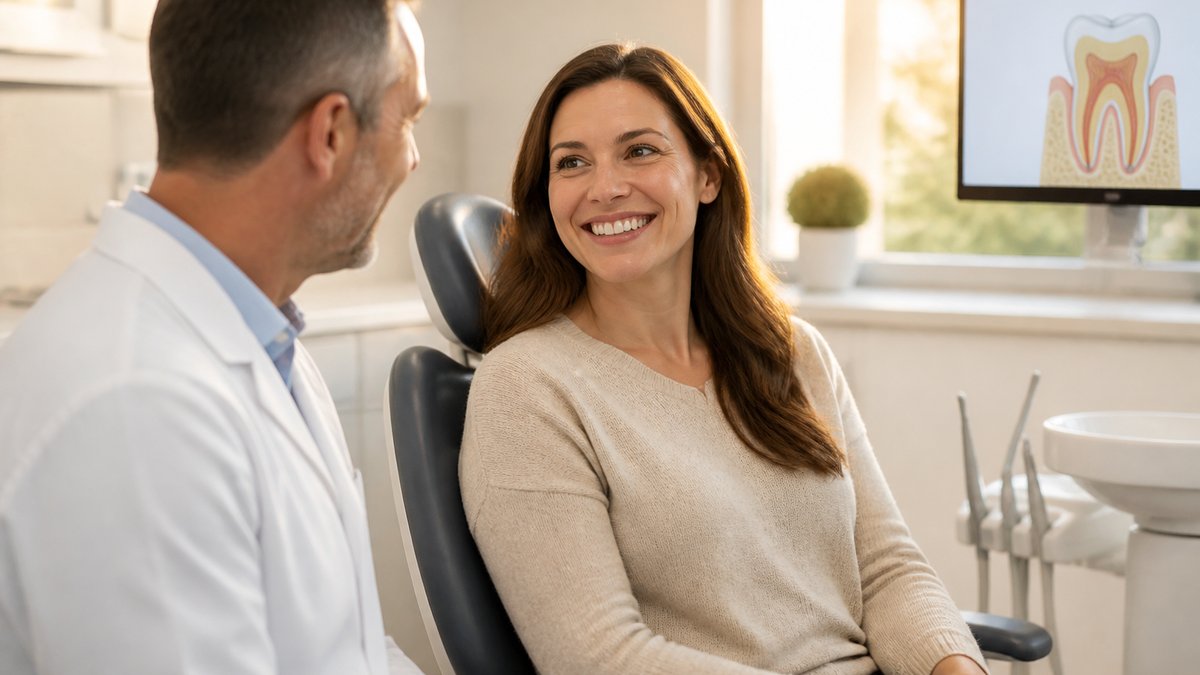
Endodontic therapy addresses infection or inflammation in the soft tissue inside a tooth while preserving its outer structure. Its role in oral health includes restoring the treated tooth and supporting ongoing dental care. Here is a closer look at the connection between root canal therapy and oral health:
Addressing Internal Infection
Bacteria inside the pulp are beyond the reach of a toothbrush or floss. During a root canal, the dentist numbs the area and creates a small opening in the top of the tooth. They remove the damaged pulp, clean and shape the canals, and rinse them with disinfecting solutions. After cleaning the canals, the dentist fills them with a rubber-like material called gutta-percha, and uses a filling to seal the opening. Here are several signs that may lead patients to request an assessment:
- Pain when chewing: Pressure on the tooth produces discomfort that lasts beyond the bite.
- Lingering temperature sensitivity: Hot or cold foods trigger sensitivity that persists after the food is gone.
- Swollen gums or face: Swelling near the tooth points to inflammation in the surrounding tissue.
- Recurring gum bump: A small, pimple-like bump on the gum appears, drains, and returns.
- Darkened tooth: A tooth that changes color after trauma suggests changes in the pulp.
Preserving Natural Tooth Function
A root canal keeps the natural tooth in place rather than removing it. Natural teeth stay in place in the jawbone, and they work alongside neighboring teeth during chewing and speech. Patients often weigh the value of keeping the tooth against the steps involved in replacing it.
Root Canal or Extraction?
Extraction removes the entire tooth, and the remaining gap often requires a bridge, implant, or partial denture. Neighboring teeth may shift into the empty space, changing how the upper and lower teeth meet. An endodontic treatment keeps the original root in the bone.
How Does Treatment Affect Chewing?
A treated tooth continues to handle normal biting forces once the dentist restores it. Patients can keep their usual bite pattern, and they chew with the same teeth as before. The root stays anchored in the jawbone.
Restoring and Protecting Teeth
After a root canal, the tooth no longer has a living pulp, and its structure tends to become more brittle over time. Back teeth usually receive a crown for coverage and support. Front teeth sometimes need only a filling. The dentist selects the restoration based on the tooth’s location and how much natural structure remains.
Some patients receive a temporary filling at the end of the endodontic therapy. At a follow-up visit, the dentist replaces it with a permanent restoration and checks the bite. Avoid chewing hard foods on the treated side until the final crown or filling is in place.
Maintaining Oral Health After Treatment
Care after a root canal follows the same habits that protect every other tooth. Brush twice a day with fluoride toothpaste, and floss once daily to clean between teeth. Although the pulp is gone, the outer tooth and surrounding gums still face the same risks of decay and gum disease. Routine checkups let your dentist monitor the tooth with X-rays and identify changes early. Some tenderness after treatment is common, and your dentist will explain what to expect during recovery. Contact the dental office if swelling returns, the temporary filling falls out, or discomfort increases instead of fading.
Schedule Your Root Canal Therapy
Root canal therapy addresses infection inside the tooth, keeps the natural tooth in place, and prepares it for a protective restoration. Consistent home care and regular checkups support the treated tooth over time. Mild tenderness after the procedure is expected, but patients should seek further evaluation if swelling returns, discomfort worsens, or the temporary filling comes loose early. Contact a qualified endodontist near you to schedule your root canal therapy today.