
Exploring the Latest Advances in Varicose Vein Treatment Technology
November 3, 2026
Effective Back Pain Management Techniques for Daily Life
November 4, 2026
Teeth whitening is a cosmetic process that uses active agents to lighten the natural shade of your teeth. Stains from food, drinks, and daily habits can build up over time. Whitening treatments work to reduce their appearance, but the results require upkeep; understanding the process helps you plan effectively. Here’s information about how whitening works, what affects tooth color over time, and how to extend your results between treatments:
Understanding How Teeth Whitening Works
Each tooth has a hard outer layer called enamel and a softer layer beneath it called dentin. Stains fall into two groups: extrinsic and intrinsic. Extrinsic stains settle on the enamel surface, while intrinsic stains develop deeper within the tooth structure. Understanding this distinction helps you set realistic expectations before starting a whitening plan.
Many whitening products use hydrogen peroxide or carbamide peroxide as the active ingredient. These compounds break down stain molecules through oxidation, which lightens the overall shade. Whitening products also only affect natural enamel; crowns, veneers, fillings, and dentures retain their original color. If you have dental restorations on visible teeth, ask your dentist how teeth whitening may affect the color match between natural and restored surfaces. Your dentist provides guidance tailored to your specific dental situation.
Comparing Whitening Methods
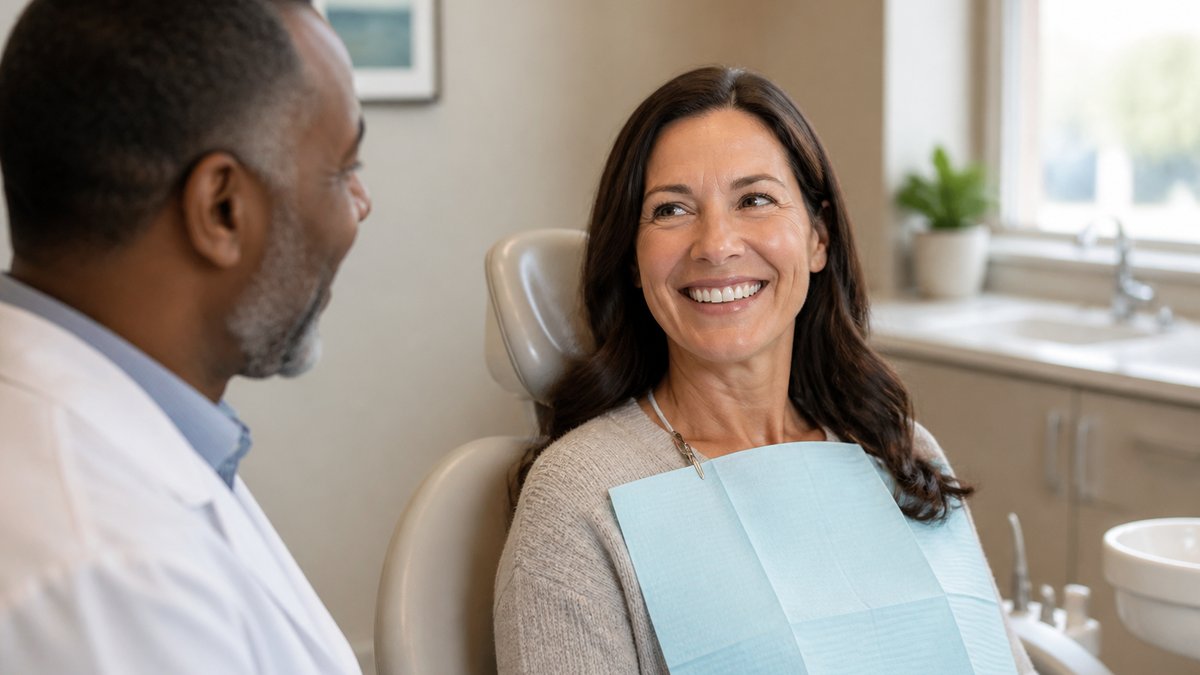
A dental professional performs in-office whitening using a higher-concentration gel. Before applying the gel, the provider may place a protective barrier over your gums. Some offices also incorporate a specialized light during the session. Appointments can last approximately 45 minutes. Many patients notice a significant shade change after a single visit; this makes whitening a time-efficient option for those seeking faster results. At-home whitening products utilize custom trays from your dentist. These products contain lower concentrations of peroxide; you apply them consistently over several days or weeks to achieve gradual results. The trays fit your teeth closely and may help distribute the gel evenly. Follow your dentist’s or the manufacturer’s directions for application time and frequency.
Extending Your Whitening Results
Your daily routine affects how long whitening results last, and small, consistent habits help slow the return of stains. These steps can provide a practical starting point:
- Brush twice a day and floss daily to remove surface buildup
- Rinse your mouth with water after drinking coffee, tea, or red wine
- Drink dark beverages through a straw when practical
- Schedule regular professional cleanings to maintain enamel health
- Use whitening toothpaste between treatments to manage surface stains
Touch-up schedules vary by individual. Some people refresh their results every few months, while others may wait a year or longer before retreating. Your dentist will suggest a timeline based on your habits and the method you used. Avoid applying whitening products more often than directed; overuse can cause sensitivity and tooth damage.
Recognizing Factors That Affect Tooth Color
Dietary choices contribute to tooth staining. The following foods and drinks contain pigments that may cling to enamel:
- Coffee
- Tea
- Red wine
- Tomato-based sauces
Acidic foods may gradually erode the enamel surface, making it more receptive to stains. Tobacco products introduce yellow and brown discoloration that accumulates over time. Inconsistent brushing allows plaque to collect, and plaque absorbs color from food and beverages. Genetics also shape both the natural shade and thickness of your enamel. Understanding these variables helps you contemplate a whitening plan with realistic goals.
Consult an Experienced Dentist
Teeth whitening lightens stains on natural enamel through professional or at-home methods. Consistent daily habits extend how long those results last. Diet, tobacco use, age, and genetics all influence tooth color over time, so factoring them into your plan is key. If you’re experiencing tooth discoloration or want to brighten your smile, schedule a consultation with your dentist to discuss suitable treatment options.