
What To Expect From Your First Visit to an OBGYN
October 17, 2026
Understanding the Role of Diabetes Care in Overall Health
October 19, 2026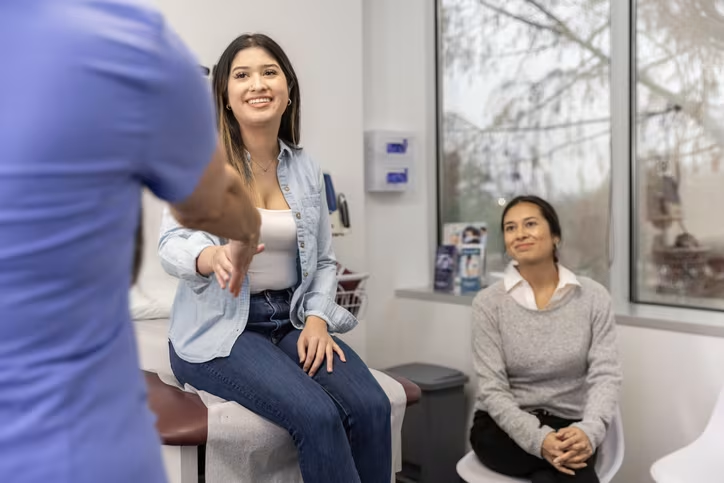
A gynecologist visit gives you access to a qualified professional who specializes in reproductive and general women’s health. These professionals help manage various conditions, including endometriosis and menopause, and they offer annual wellness exams. Regular gynecological visits support your health. Knowing which questions to ask helps you gather the information you need and make the most of your appointment time. Here are some preparation steps and key topics to address with your gynecologist:
Preparing for Your Visit
When preparing for your appointment, gather the details your gynecologist will likely need, including the following:
- Date of your last period
- Medications or supplements you take
- Concerning symptoms or menstrual cycle irregularities
- Changes you have noticed since your last visit
Write this information down on your phone or in a notepad for easy access. If you are seeing a new provider, bring your insurance card and any past test results. Place your most pressing questions at the top of your list so you can address them first. A well-organized list helps save time, and it keeps the conversation focused.
Reviewing Screenings and Reproductive Health
Screenings are a routine part of many gynecology visits, and understanding them helps you stay informed. Ask your provider which screenings are appropriate for your age and how frequently each one should occur. You might inquire whether you are due for a Pap test or HPV test to screen for cervical cancer. Ask how results will be delivered and whether any preparation is required beforehand; this sometimes involves avoiding certain medications or products before the appointment.
Your provider also tracks details about your menstrual cycle and reproductive health, so ask what information is most helpful to record between visits. If pregnancy or menopause is a possibility, discuss those topics and review what to watch for. Contraception is worth discussing too; ask about available methods, how each one works, and whether any interact with your current medications. Discuss relevant lifestyle factors by asking questions such as:
- Do my exercise habits, diet, or sleep schedule affect my reproductive health?
- Are there vaccines you currently recommend for me?
- Which details about alcohol use, smoking, or vaping are helpful for you to know?
- What parts of my family history are most relevant to share?
- How do you keep the information I share private?
Your provider can use this information to give you more complete guidance, so sharing accurate details benefits you directly.
Addressing Follow-Up and Ongoing Care
Before your appointment ends, clarify the next steps. Ask when you should schedule your next visit and what changes would prompt you to call sooner. If your provider recommends additional care, ask whether you need a referral and what that process involves. Request a written summary of what you discussed; this gives you an accurate record to reference later. Keeping notes during the appointment helps you retain the details your provider shares, and it gives you material to build your next list of questions from.
Consult an Experienced Gynecologist
A gynecologist visit covers a wide range of health topics, from routine screenings and reproductive health to contraception, lifestyle factors, and follow-up care. Preparing targeted questions in each area helps you leave with clear, useful information. Your provider is a key resource, and coming prepared with a structured list helps you both use the appointment well. Start building your question list today, and update it regularly as your health needs evolve.