Factors To Review Before Joint Replacement Surgery
October 5, 2026
Innovative Approaches to Treating Ingrown Toenails
October 5, 2026
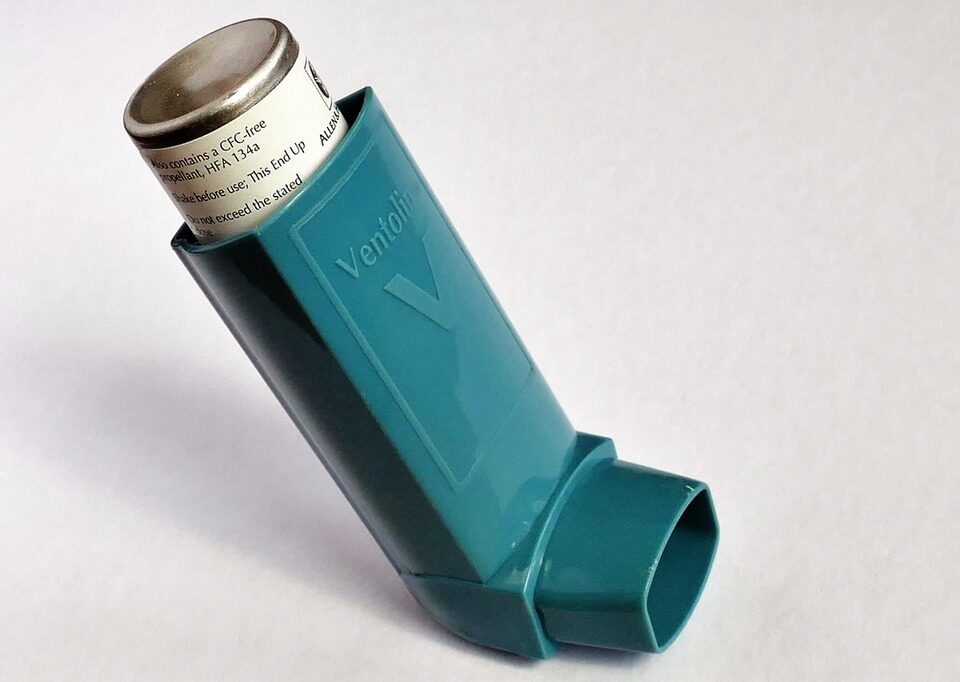
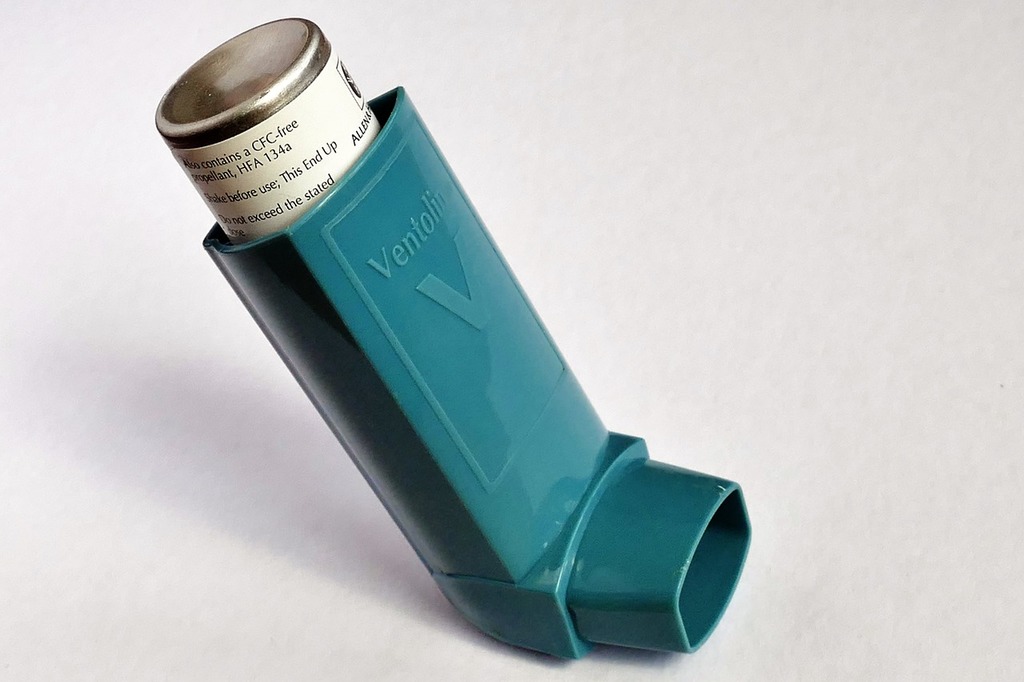
Asthma inhalers deliver medication directly to the lungs, where it helps open narrowed airways and reduce inflammation. Patients use quick-relief inhalers for sudden symptoms, and they may use controller inhalers daily to prevent flare-ups. Knowing which type to use and when helps patients manage asthma more effectively. Here is more information on what asthma is, how inhalers function, and when patients should use them:
What Is Asthma?
Asthma is a chronic respiratory condition that narrows the airways, causes them to swell, and increases mucus production. This combination makes breathing difficult and can trigger the following symptoms:
- Persistent or intermittent coughing
- Wheezing or a whistling sound when breathing
- Shortness of breath
- Chest tightness or pressure
Triggers vary from person to person. While some individuals react to environmental factors such as pollen and dust, others are affected by cold air or physical exertion. Some patients experience mild symptoms only during specific seasons, but others face daily challenges that interfere with work, exercise, and sleep. Identifying triggers is an integral step in managing the condition.
What Are Asthma Inhalers?
Asthma inhalers are handheld devices that deliver medication directly into the lungs. Unlike pills, which travel through the digestive system before reaching the bloodstream, inhalers deliver medicine straight to the airways, producing faster results. Because the medication targets the airways directly, the risk of systemic side effects is reduced, and treatment of airway inflammation and constriction becomes more precise.
Two categories of inhalers include quick-relief inhalers and controller inhalers. Quick-relief inhalers act quickly to ease sudden symptoms by relaxing the muscles around the airways, while controller inhalers reduce inflammation over time using long-term medications. Controller inhalers help lower the frequency of asthma attacks. Although both types may be used as part of a comprehensive treatment plan, each serves a distinct clinical purpose, and a physician will determine the appropriate combination based on symptom severity.
How Do They Work?
Inhalers rely on pressurized canisters to turn medication into a fine mist. Once the medicine is inhaled, it coats the airway lining and acts directly on the muscles and tissues that cause constriction. Inflammation can build back up when doses are skipped; consistency determines how well these medications perform. Correct technique alone is not sufficient.
When Do Patients Use Them?
Patients use quick-relief inhalers for acute symptoms; these include chest tightness, sudden wheezing, or a coughing fit triggered by exercise or allergens. Quick-relief inhalers act within minutes. They help prevent worsening symptoms. Patients who find themselves using a rescue inhaler frequently should consult a doctor, as this frequency may signal that asthma is not adequately controlled.
Controller inhalers follow a daily schedule. They are used regardless of symptoms, and skipping doses allows airway inflammation to return. This may increase the likelihood of an attack. Doctors may pair controller inhaler use with written asthma action plans, which give patients steps to follow based on symptom severity. Consulting a specialist helps determine when using an inhaler is appropriate.
Consult a Specialist Today
Asthma inhalers serve two distinct purposes: quick-relief inhalers ease sudden symptoms, while controller inhalers manage inflammation over the long term. Understanding the difference and using each as prescribed plays a central role in controlling asthma symptoms. If you notice changes in symptom frequency or inhaler use, speak with an allergist to review your treatment plan. A specialist can adjust medications, confirm proper inhaler technique, and address underlying triggers that contribute to flare-ups.