
What Parents Should Know About Well Child Checkups
September 25, 2026
What To Expect From Your First Appointment With a Family Dentist
September 30, 2026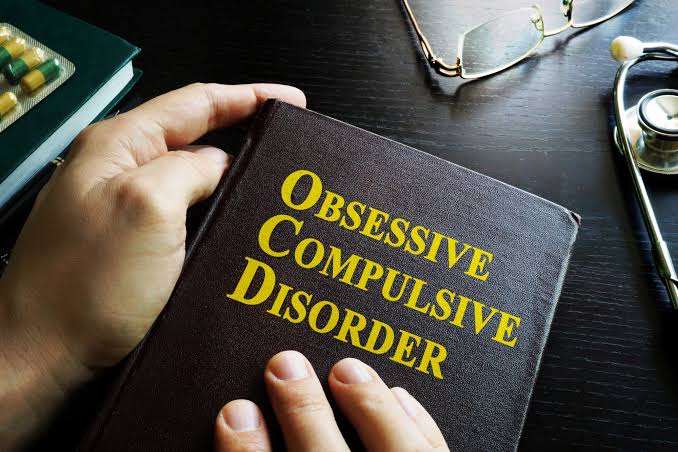
Obsessive-compulsive disorder (OCD) is marked by intrusive, unwanted thoughts or obsessions and repetitive behaviors or mental acts (compulsions). These patterns can consume hours each day, and they often interfere with work, relationships, and basic routines. People with OCD often recognize that their thoughts are irrational, but they are still driven to act on them. This constant cycle can affect concentration, sleep, and overall quality of life. Here’s information on OCD and how to cope with it using different management techniques:
The Impacts of OCD
Living with persistent obsessions and compulsions can take a heavy toll on someone’s emotional well-being. Research indicates that individuals with OCD may experience higher rates of suicidal thoughts than the general population, particularly when symptoms are severe or long-lasting. Chronic distress, isolation, and exhaustion can build over time. When compulsions no longer provide relief and daily functioning declines, feelings of hopelessness may emerge.
Co-occurring conditions such as depression or anxiety can further raise the risk of developing suicidal ideation, so ongoing monitoring is a key part of care. Some signs of suicidal ideation include withdrawing from others, expressing hopelessness, or a sudden change in mood or behavior. Early recognition allows for timely support, and open communication with a care provider can make a meaningful difference. If someone is in immediate danger, contact emergency services or a crisis line.
The Reality of Treatment-resistant Conditions
Standard obsessive-compulsive disorder treatments include cognitive behavioral therapy, exposure and response prevention, and certain medications. Many people respond well to these approaches, but some people still do not experience adequate relief. A mental health condition is labeled treatment-resistant when a person has tried multiple evidence-based treatments at appropriate doses and durations without significant improvement. For OCD, this often means completing structured therapy and trialing several medications without a meaningful reduction in symptoms. Treatment resistance doesn’t mean recovery is impossible; it means that different or additional approaches may be needed.
The Benefits of Ketamine Therapy
For individuals with treatment-resistant OCD, intravenous ketamine therapy has become a subject of ongoing clinical interest. Administered in a controlled medical setting, this approach is being studied for its potential role in certain difficult-to-treat cases. One area of interest is how quickly people respond to treatment. Some studies report that changes in mood and thought patterns appear faster than with traditional oral medications, which can take weeks to take effect. This faster timeline may be relevant for people experiencing significant distress.
Managing OCD is rarely done with a single treatment; it is an ongoing process that combines professional advice, consistent effort, and patience. Advanced coping strategies build on established treatments and expand the range of options available to those who have not found relief through standard care alone. Understanding the connection between OCD and suicidal ideation helps individuals and their support networks make informed, effective healthcare decisions.
Because ketamine has been studied for its effect on acute suicidal thoughts, it is especially valuable for people managing both OCD and suicidal ideation. Treatment takes place under medical supervision, and providers monitor each session closely to prioritize safety. Any decision to pursue this option should involve a qualified professional who can evaluate individual needs.
Effectively Manage OCD Symptoms
Progress looks different for each person, but small, steady improvements add up over time. Working closely with mental health specialists helps your management strategies, from therapy to newer interventions, fit your specific situation. If your current plan isn’t working, contact an IV ketamine therapy clinic near you to learn more. With the appropriate support, you can take meaningful action to manage your symptoms and protect your well-being.