
Questions To Ask a Dentist Before Getting a Dental Bridge
August 25, 2026
Primary Care Strategies for Healthy Aging
August 28, 2026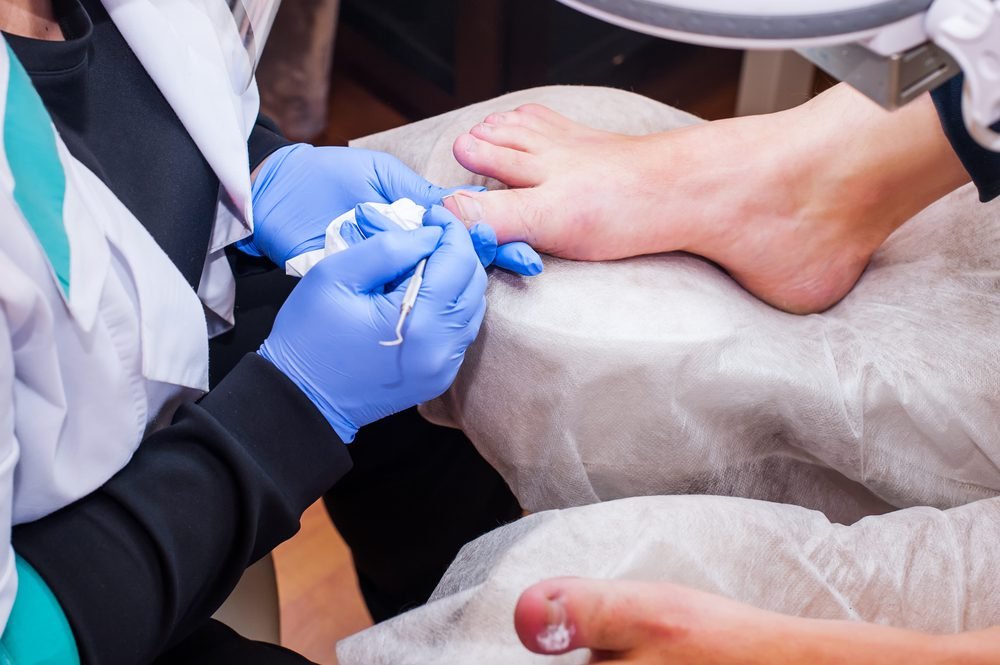
Healthy skin blocks bacteria from entering your body. Since a small cut or bug bite can break that barrier, infection may follow. A podiatrist can then treat the infection. Foot wounds can heal slowly, so they give bacteria time to spread deeper.
Thorough Infection Assessment
The first step is a careful examination of your foot and wound, so your podiatrist checks the depth, drainage, and surrounding tissue. Your podiatrist also checks for swelling, warmth, and redness around the wound. These signs point to active infection and help narrow down the cause. Some infections stay near the surface, but others reach deeper into muscle or bone, so a thorough check matters. Testing may follow, and your provider will order lab work or imaging. Blood tests can reveal signs of infection, and cultures identify the specific bacteria causing the problem. This helps your provider choose the right antibiotic. Imaging gives a clearer picture when surface checks are not enough. X-rays show bone changes, and MRI scans reveal soft tissue damage in more detail. Risk factors shape how your provider approaches testing.
Targeted Antibiotic Treatment Options
Mild cases may respond to topical or oral antibiotics alone.
- Topical antibiotics: Used for surface-level infections with minor tissue involvement.
- Oral antibiotics: Prescribed for mild to moderate infections that haven’t reached deeper layers.
- Intravenous (IV) antibiotics: Required for severe infections like osteomyelitis or necrotizing fasciitis.
- Combination therapy: Used when multiple bacteria types are present, or the infection is complex.
Your podiatrist may start with a broad-spectrum antibiotic, then adjust it. This happens once lab results identify the specific bacteria. This targeted approach improves your chances of a full recovery, and it reduces the risk of antibiotic resistance. Your provider weighs your medical history, allergies, and any underlying conditions before prescribing. Infections require stronger measures. Patients may need oral or intravenous antibiotics. The length of treatment depends on how far the infection has spread and how well your body responds.
Restorative Wound Care Strategies
Cleaning the wound matters before healing can begin. Your podiatrist removes dead and infected tissue through debridement, and this prevents bacteria from spreading further. This step clears the way for new, healthy tissue to grow. Debridement can be done in several ways, and your provider chooses the method based on your wound’s condition. Sharp debridement uses sterile instruments to cut away damaged tissue, and it works for deeper or bigger wounds.
Consistent cleaning at each stage of care keeps the healing environment as clean as possible. Wound care continues after debridement, and specialized dressings protect the area while keeping moisture levels balanced. The right dressing depends on the wound’s depth, drainage, and stage of healing. Some dressings absorb excess fluid, and others create a moist environment that supports tissue regrowth.
Book a Podiatrist Today
Foot infections rarely improve without treatment. Early care helps shorten recovery, and it lowers the risk of complications. Contact a podiatrist today and get a full evaluation of your wound. The sooner you act, the sooner treatment begins, and that gives your foot the best chance to heal.