
How Weight Loss and Mental Health are Connected
August 19, 2026
How Podiatrists Treat Common Foot Infections
August 26, 2026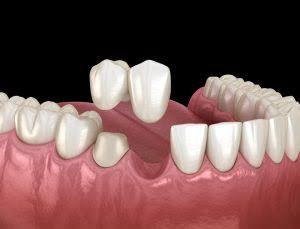
Missing teeth can affect how you chew and how the surrounding teeth meet during daily use. A dental bridge replaces a missing tooth. The condition of the supporting teeth influences the treatment approach; your dentist evaluates the gap and surrounding structures before selecting a suitable bridge design. Here are several questions to ask before getting a dental bridge:
Is a Bridge Suitable?
The condition of the teeth beside the gap matters when planning a fixed bridge because these teeth support the restoration. Their structure can affect the treatment approach and overall stability. Your dentist also examines the number of missing teeth and the location of the gap before discussing your options.
A traditional bridge uses crowns over anchoring teeth, with artificial teeth positioned between them. Other bridge designs are suited to different tooth-loss situations, so the location and size of the gap help guide the selection. Your examination provides information about whether a bridge suits the specific space, and it also gives you an opportunity to ask whether another restorative option may better suit your teeth. The answer depends on several factors, including your overall oral health and aesthetic goals.
Benefits of a dental bridge can include:
- Natural-looking appearance
- Restored ability to chew and speak comfortably
- Prevention of neighboring teeth shifting into the gap
- A fixed restoration that stays in place during everyday activities
What Happens During Treatment?
Knowing the stages of treatment helps you understand what to expect before placing the permanent dental bridge. The process may include preparing the supporting teeth and taking impressions to create the restoration. A temporary bridge is also used in some cases; this helps protect the prepared area until the permanent bridge is made.
Once the permanent bridge is ready, your dentist places it over the supporting teeth. They check the fit, bite, and appearance, and then they secure it in place. Asking about the sequence of appointments clarifies how many visits the treatment may require and what will happen during each one.
How Long Is Recovery?
Recovery involves adapting to the newly placed restoration while the surrounding teeth and tissues settle. Your dentist also provides guidance about cleaning around the bridge, and you’ll learn how to maintain the supporting teeth. Follow-up appointments allow your dentist to monitor the bridge’s fit and function after placement while addressing any concerns you may have. Daily teeth cleaning is also key for maintaining the bridge. Regular dental examinations allow the dental team to check the restoration and surrounding teeth; this helps them identify any concerns early. Ask which brushing and flossing methods suit your specific bridge before returning to your usual routine.
Consult a Cosmetic Dentist
A dental bridge can replace a missing tooth, and the supporting teeth play a significant role in the treatment. Your dentist assesses the space and overall oral condition before recommending an appropriate restoration. When you ask questions, be specific to understand the bridge design, treatment stages, and maintenance needs as they relate to your situation. Consult your dentist about whether a dental bridge is a suitable option for you.