Best Orthopedic Doctor Near Me: How to Find the Right Specialist for Your Bone and Joint Health
July 17, 2026
Treatment for Dry Eye Syndrome Naturally: Safe and Effective Ways to Relieve Dry Eyes
July 17, 2026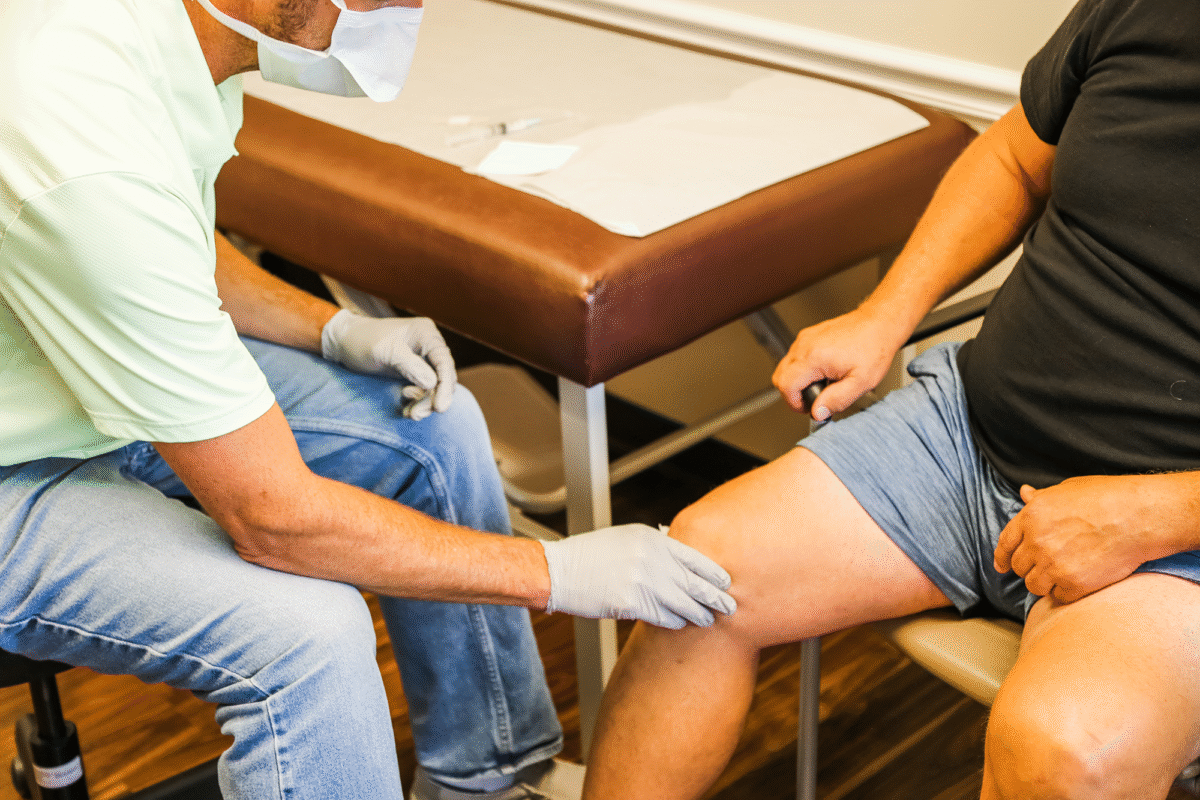
Introduction
Knee pain is one of the most common health problems affecting people of all ages. Whether you are a young athlete, an office worker, or an older adult, knee pain can make simple daily activities difficult. Walking, climbing stairs, exercising, or even standing for long periods may become uncomfortable.
The good news is that surgery is not always necessary. Many people recover or significantly reduce their pain through non-surgical treatments. The right combination of lifestyle changes, physical therapy, medication, exercise, and healthy habits can improve knee function and help you return to normal activities.
In this guide, you’ll learn about the best treatment for knee pain without surgery, the common causes of knee pain, home remedies, professional treatments, and ways to prevent future problems.
What Causes Knee Pain?
Before choosing the right treatment, it is important to understand what is causing the pain. Knee pain can develop suddenly after an injury or gradually over time.
Some of the most common causes include:
- Osteoarthritis
- Tendonitis
- Ligament sprains
- Meniscus injuries
- Runner’s knee
- Bursitis
- Muscle weakness
- Overuse from sports or work
- Excess body weight
- Poor posture or walking mechanics
Knowing the exact cause helps healthcare providers recommend the most effective treatment plan.
Signs You Should Not Ignore
Knee pain may come with different symptoms depending on the condition.
Common signs include:
- Pain while walking
- Swelling around the knee
- Stiffness after resting
- Clicking or popping sounds
- Difficulty bending or straightening the knee
- Weakness or instability
- Warmth or redness around the joint
If pain lasts more than a few weeks or becomes severe, medical evaluation is recommended.
Best Treatment for Knee Pain Without Surgery
Fortunately, many proven treatments can relieve knee pain naturally and medically without an operation.
1. Physical Therapy
Physical therapy is considered one of the most effective non-surgical treatments.
A licensed physical therapist teaches exercises that:
- Strengthen the muscles around the knee
- Improve flexibility
- Increase joint stability
- Reduce stiffness
- Improve balance
Stronger muscles reduce pressure on the knee joint, helping relieve pain naturally.
2. Regular Exercise
Many people believe resting all the time is the best solution, but too much inactivity can weaken muscles.
Low-impact exercises are usually recommended, such as:
- Walking
- Swimming
- Cycling
- Water aerobics
- Gentle yoga
These activities improve blood circulation and keep the knee moving without placing excessive stress on the joint.
3. Weight Management
Carrying extra body weight places significant pressure on the knees.
Research shows that even losing a small amount of weight can noticeably reduce knee pain.
Healthy weight loss helps:
- Reduce joint stress
- Improve mobility
- Slow arthritis progression
- Increase energy levels
A balanced diet combined with regular physical activity often provides the best results.
4. Ice Therapy
Ice is one of the simplest home treatments for knee pain.
Apply an ice pack for about 15 to 20 minutes several times a day.
Ice helps reduce:
- Swelling
- Inflammation
- Pain
- Muscle spasms
Always wrap the ice pack in a towel to protect your skin.
5. Heat Therapy
Heat works best for chronic stiffness rather than fresh injuries.
Warm compresses or heating pads help:
- Relax tight muscles
- Improve blood flow
- Reduce stiffness
- Increase flexibility
Many people alternate between heat and ice depending on their symptoms.
6. Knee Braces and Supports
Supportive braces can stabilize the knee during daily activities.
Depending on the condition, a brace may:
- Improve joint alignment
- Reduce pain
- Prevent excessive movement
- Increase confidence while walking
A healthcare professional can recommend the right type of brace.
7. Pain Relief Medications
Over-the-counter medications may temporarily reduce discomfort.
Common options include:
- Acetaminophen
- Ibuprofen
- Naproxen
These medications reduce pain and inflammation but should be used according to medical advice, especially if taken regularly.
8. Topical Pain Relief Creams
Many people find relief using creams or gels applied directly to the knee.
These products may contain:
- Menthol
- Capsaicin
- Diclofenac
- Lidocaine
Topical treatments can provide localized pain relief with fewer whole-body side effects than oral medications.
9. Lifestyle Changes
Small daily habits often make a big difference.
Helpful changes include:
- Avoid prolonged standing
- Wear supportive footwear
- Stretch before exercise
- Take breaks during repetitive activities
- Improve posture
- Avoid sudden twisting movements
These simple adjustments help protect the knee from further stress.
10. Corticosteroid Injections
For people with severe inflammation, doctors may recommend corticosteroid injections.
These injections can:
- Reduce swelling
- Ease pain
- Improve movement
Relief may last from several weeks to a few months, but they are not suitable for everyone and are generally used selectively.
11. Hyaluronic Acid Injections
Some patients with osteoarthritis benefit from hyaluronic acid injections.
This treatment aims to improve joint lubrication, making movement smoother and reducing discomfort for some individuals.
Results vary from person to person.
12. Platelet-Rich Plasma (PRP)
PRP therapy uses a concentrated portion of the patient’s own blood that contains platelets.
Some healthcare providers offer PRP as a treatment for certain tendon injuries or early arthritis, although research is still evolving and results can differ between individuals.
Natural Remedies That May Help
Several natural approaches may support medical treatment.
These include:
- Gentle stretching
- Anti-inflammatory foods
- Adequate sleep
- Staying hydrated
- Omega-3-rich foods
- Turmeric in cooking
- Mindfulness techniques for chronic pain management
Natural remedies should complement—not replace—professional medical care.
Foods That Support Healthy Knees
Nutrition plays an important role in joint health.
Foods that may help include:
- Salmon
- Sardines
- Walnuts
- Spinach
- Broccoli
- Blueberries
- Cherries
- Olive oil
- Beans
- Greek yogurt
These foods provide nutrients that support overall health and may help reduce inflammation as part of a balanced diet.
Exercises for Knee Pain Relief
Simple exercises often recommended include:
Straight Leg Raises
Strengthens the thigh muscles without putting excessive pressure on the knee.
Hamstring Stretch
Improves flexibility and reduces muscle tightness.
Wall Slides
Builds leg strength gradually.
Heel Raises
Strengthens the calf muscles for better knee support.
Mini Squats
Improves lower body strength when performed correctly and within a comfortable range of motion.
Always stop exercising if pain becomes severe or sharp.
When Should You See a Doctor?
Although many cases improve without surgery, medical care is important if you experience:
- Severe swelling
- Inability to bear weight
- Knee deformity
- High fever with knee pain
- Locking of the knee
- Pain lasting longer than several weeks
- Repeated episodes of instability
Early diagnosis often prevents complications.
Can Knee Pain Heal Without Surgery?
Yes. Many knee conditions respond well to conservative treatment.
Patients with mild arthritis, muscle weakness, tendon irritation, or minor ligament injuries often improve through exercise, physical therapy, weight management, and appropriate medical care.
Recovery time depends on the underlying cause, age, activity level, and commitment to the treatment plan.
Tips to Prevent Future Knee Pain
Protecting your knees can lower the chance of recurring pain.
Try these habits:
- Maintain a healthy weight.
- Exercise regularly.
- Warm up before physical activity.
- Stretch after workouts.
- Wear supportive shoes.
- Strengthen your leg muscles.
- Avoid sudden increases in exercise intensity.
- Use proper lifting techniques.
- Listen to your body and rest when needed.
Consistent self-care is one of the best ways to keep your knees healthy.
Conclusion
Finding the right treatment for knee pain without surgery is possible for many people. Physical therapy, regular exercise, weight management, supportive braces, medications, and healthy lifestyle changes can all work together to reduce pain and improve mobility.
Every case of knee pain is different, so getting the correct diagnosis is the first step. With patience, consistency, and guidance from a healthcare professional, many people regain comfort and return to the activities they enjoy—without needing surgery.
Frequently Asked Questions (FAQs)
1. What is the best treatment for knee pain without surgery?
The best treatment depends on the cause of the pain. Physical therapy, strengthening exercises, weight management, appropriate medications, and lifestyle changes are among the most effective non-surgical options.
2. Can knee pain go away on its own?
Minor strains or overuse injuries often improve with rest and home care. Persistent or worsening pain should be evaluated by a healthcare professional to identify the underlying cause.
3. Is walking good for knee pain?
Yes. Gentle walking can help many people by improving joint movement and strengthening muscles. If walking causes severe pain, seek medical advice before continuing.
4. How long does non-surgical treatment take to work?
Recovery varies depending on the condition. Some people notice improvement within a few weeks, while others may need several months of consistent treatment and rehabilitation.
5. Can exercise make knee pain worse?
Exercises done incorrectly or activities that overload the joint can increase pain. A personalized program from a physical therapist or healthcare provider is the safest way to strengthen the knee while avoiding further injury.