
Treatment for Knee Pain Without Surgery: Safe and Effective Ways to Find Lasting Relief
July 17, 2026
How to Stop Pollen Allergies Fast: Effective Ways to Get Quick Relief Naturally
July 17, 2026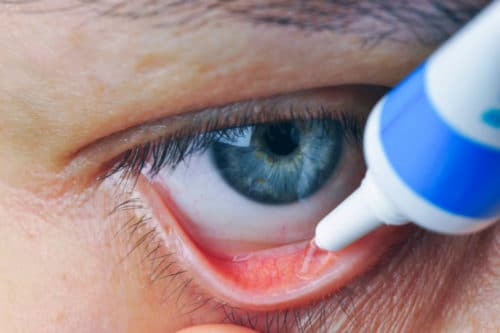
Dry eye syndrome is a common condition that affects millions of people worldwide. It happens when your eyes do not produce enough tears or when the tears evaporate too quickly. Tears are essential for keeping your eyes moist, comfortable, and protected from dust, bacteria, and irritation. When your eyes become dry, you may experience burning, redness, blurry vision, or the feeling that something is stuck in your eye.
Many people rely on artificial tears or prescription medications, but there are also natural ways to manage dry eye symptoms. Learning about treatment for dry eye syndrome naturally can help improve your eye comfort while supporting healthy tear production.
This article explains the causes of dry eye syndrome, common symptoms, the best natural treatments, foods that support eye health, prevention tips, and when to seek medical care.
What Is Dry Eye Syndrome?
Dry eye syndrome is a condition in which the eyes cannot maintain enough moisture to keep the surface of the eye healthy. Tears consist of three important layers:
- Oil layer: Prevents tears from evaporating too quickly.
- Water layer: Provides moisture and oxygen.
- Mucus layer: Helps tears spread evenly over the eye.
If one of these layers does not function properly, your eyes can become dry and irritated.
Common Symptoms of Dry Eye Syndrome
Symptoms may vary from person to person, but the most common include:
- Burning or stinging eyes
- Redness
- Itchy eyes
- Blurred vision
- Watery eyes
- Sensitivity to light
- Eye fatigue
- Difficulty wearing contact lenses
- A gritty or sandy feeling in the eyes
These symptoms often become worse after spending long hours using computers, smartphones, or reading.
What Causes Dry Eye Syndrome?
Several factors can contribute to dry eyes.
Aging
As people grow older, tear production naturally decreases. Dry eye syndrome is especially common in adults over the age of 50.
Too Much Screen Time
Looking at digital screens reduces blinking, causing tears to evaporate more quickly.
Dry Environment
Air conditioners, heaters, smoke, wind, and fans can dry out your eyes.
Contact Lens Use
Wearing contact lenses for long periods may reduce eye moisture.
Poor Nutrition
A diet lacking omega-3 fatty acids and essential vitamins can affect tear quality.
Medical Conditions
Diabetes, thyroid disorders, rheumatoid arthritis, and certain autoimmune diseases can increase the risk of dry eye syndrome.
Best Treatment for Dry Eye Syndrome Naturally
Many people can improve their symptoms by making simple lifestyle changes.
1. Stay Hydrated
Drinking enough water helps your body produce healthy tears.
Aim to drink 8–10 glasses of water daily, depending on your activity level and climate.
2. Eat More Omega-3 Fatty Acids
Omega-3 fatty acids help improve the oily layer of tears, reducing evaporation.
Good sources include:
- Salmon
- Sardines
- Tuna
- Flaxseeds
- Chia seeds
- Walnuts
Eating these foods regularly may help reduce dry eye symptoms.
3. Apply Warm Compresses
A warm compress helps open the oil glands in your eyelids, improving tear quality.
How to use it:
- Soak a clean cloth in warm water.
- Place it over closed eyes for 5–10 minutes.
- Repeat once or twice daily.
4. Blink More Often
People blink less while using computers and smartphones.
Practice slow, complete blinks every few minutes to spread tears evenly across your eyes.
Use the 20-20-20 Rule:
Every 20 minutes, look at something 20 feet away for at least 20 seconds.
5. Increase Indoor Humidity
Dry indoor air can worsen symptoms.
Using a humidifier adds moisture to the air and helps reduce tear evaporation.
6. Get Enough Sleep
Your eyes recover while you sleep.
Aim for 7–9 hours of quality sleep every night.
7. Wear Sunglasses Outdoors
Wind and sunlight can dry your eyes.
Wraparound sunglasses help protect your eyes from wind, dust, and harmful UV rays.
8. Limit Screen Time
If possible, reduce unnecessary screen use.
When working on a computer:
- Blink often.
- Adjust screen brightness.
- Keep the monitor slightly below eye level.
- Take regular breaks.
9. Clean Your Eyelids
Dirty eyelids can block the tiny oil glands that help keep tears from evaporating.
Wash your eyelids gently using warm water or a mild eyelid cleanser recommended by your eye care professional.
10. Avoid Smoking
Cigarette smoke irritates the eyes and makes dry eye symptoms worse.
If you smoke, quitting can improve both your eye health and overall health.
Foods That Support Healthy Eyes
A healthy diet can naturally improve eye health.
Include these foods in your meals:
- Carrots
- Spinach
- Kale
- Eggs
- Citrus fruits
- Blueberries
- Almonds
- Sweet potatoes
- Salmon
- Walnuts
These foods provide vitamins A, C, E, zinc, lutein, zeaxanthin, and omega-3 fatty acids, which support healthy vision.
Natural Habits That Help Prevent Dry Eyes
Simple daily habits can reduce your risk of developing dry eye syndrome.
- Stay hydrated.
- Wear sunglasses outdoors.
- Blink frequently.
- Use a humidifier.
- Eat a balanced diet.
- Get enough sleep.
- Avoid rubbing your eyes.
- Limit exposure to smoke and dust.
- Take breaks during screen use.
Consistency is key. Small changes each day can make a noticeable difference.
When Should You See a Doctor?
Natural remedies work well for many people with mild symptoms, but medical attention is important if you experience:
- Severe eye pain
- Sudden vision loss
- Persistent redness
- Thick eye discharge
- Symptoms that last for several weeks
- Difficulty keeping your eyes open
- Blurred vision that does not improve
An eye care professional can determine the cause of your symptoms and recommend the most appropriate treatment.
Conclusion
Finding the right treatment for dry eye syndrome naturally can greatly improve your comfort and quality of life. Healthy habits such as staying hydrated, eating omega-3-rich foods, using warm compresses, blinking more often, and reducing screen time can help your eyes stay moist and healthy.
While natural remedies are effective for many people, it is important to have regular eye examinations, especially if symptoms continue or become more severe. By taking good care of your eyes today, you can protect your vision and enjoy greater comfort for years to come.
Frequently Asked Questions (FAQs)
1. What is the best natural treatment for dry eye syndrome?
The best natural treatments include drinking enough water, eating omega-3-rich foods, applying warm compresses, blinking more often, using a humidifier, and limiting screen time. These habits help improve tear quality and reduce eye irritation.
2. Can dry eye syndrome go away naturally?
Mild cases may improve with lifestyle changes and proper eye care. However, chronic dry eye syndrome often requires ongoing management to keep symptoms under control.
3. Which foods are good for dry eyes?
Foods rich in omega-3 fatty acids, vitamin A, vitamin C, vitamin E, lutein, and zinc are beneficial. Examples include salmon, walnuts, spinach, carrots, eggs, citrus fruits, and sweet potatoes.
4. Does drinking more water help dry eyes?
Yes. Staying well-hydrated supports healthy tear production and may reduce dryness, especially if dehydration is contributing to your symptoms.
5. When should I see an eye doctor for dry eyes?
You should see an eye doctor if your symptoms are severe, last for several weeks, affect your vision, or do not improve with natural remedies. Early diagnosis can help prevent complications and ensure you receive the right treatment.
