
Chronic Pain Management Clinic
July 17, 2026
Treatment for Knee Pain Without Surgery: Safe and Effective Ways to Find Lasting Relief
July 17, 2026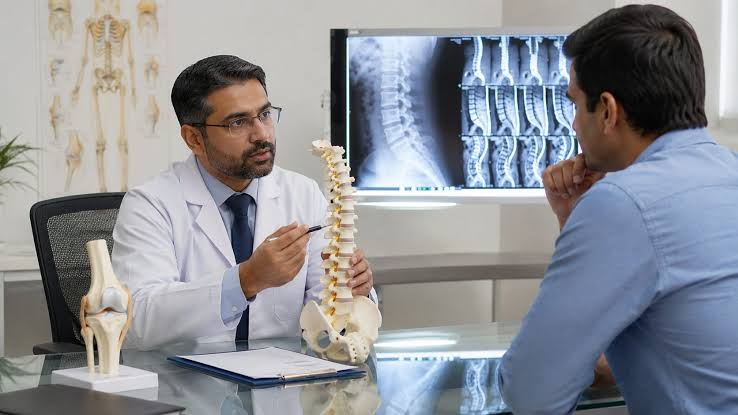
Introduction
If you’ve been searching online for the best orthopedic doctor near me, you’re probably dealing with pain, an injury, or a condition that’s making everyday life more difficult. Whether it’s knee pain, back pain, shoulder discomfort, a sports injury, or arthritis, an experienced orthopedic doctor can help you find the right diagnosis and treatment.
Orthopedic problems affect millions of people every year. Some issues develop suddenly after an accident, while others appear gradually due to aging, repetitive movements, or underlying health conditions. The good news is that modern orthopedic care offers many effective treatment options, and surgery is often not the first step.
This guide explains how to find the best orthopedic doctor near you, what orthopedic specialists treat, what to expect during your first appointment, and how to choose a doctor who meets your healthcare needs.
What Is an Orthopedic Doctor?
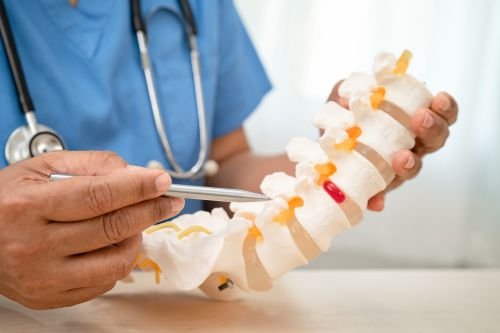
An orthopedic doctor, also called an orthopedic specialist or orthopedic surgeon, is a medical professional who diagnoses, treats, and helps prevent conditions affecting the:
- Bones
- Joints
- Muscles
- Ligaments
- Tendons
- Cartilage
- Spine
Although many orthopedic doctors are trained to perform surgery, they also provide many non-surgical treatments such as physical therapy, medications, injections, braces, and rehabilitation programs.
Their goal is to reduce pain, restore movement, and improve your quality of life.
Common Conditions Treated by Orthopedic Doctors
Orthopedic specialists care for many different injuries and medical conditions.
Some of the most common include:
Arthritis
Joint inflammation caused by aging, wear and tear, or autoimmune diseases.
Knee Pain
Pain from ligament injuries, cartilage damage, arthritis, or overuse.
Hip Pain
Hip discomfort caused by arthritis, fractures, bursitis, or muscle strain.
Back Pain
Lower and upper back pain related to spinal problems, muscle injuries, or herniated discs.
Shoulder Injuries
Rotator cuff tears, frozen shoulder, and shoulder instability.
Sports Injuries
Sprains, ligament tears, tendon injuries, stress fractures, and muscle strains.
Broken Bones
Fractures from accidents, falls, or sports injuries.
Tendon and Ligament Problems
Including tennis elbow, Achilles tendon injuries, and ACL tears.
Foot and Ankle Conditions
Heel pain, plantar fasciitis, ankle sprains, and bunions.
Signs You Should Visit an Orthopedic Doctor
Many people ignore pain until it becomes severe. Early treatment often leads to better results.
You should consider seeing an orthopedic specialist if you have:
- Joint pain lasting several weeks
- Swollen joints
- Difficulty walking
- Limited range of motion
- Chronic back pain
- Shoulder pain that doesn’t improve
- Knee instability
- Frequent sports injuries
- Pain that interferes with sleep
- Difficulty performing daily activities
Prompt evaluation can help prevent further damage and speed recovery.
How to Find the Best Orthopedic Doctor Near Me
Choosing the right orthopedic doctor is an important decision. Instead of selecting the first name you see online, take time to compare your options.
1. Check Their Experience
Doctors who regularly treat your specific condition often have more experience managing it effectively.
For example, if you have knee arthritis, look for a specialist who frequently treats knee conditions.
2. Verify Board Certification
Board-certified orthopedic doctors have completed specialized education, training, and examinations in orthopedic care.
Certification is a good indicator of professional qualifications and ongoing commitment to patient care.
3. Read Patient Reviews
Online reviews can provide helpful insights into:
- Communication style
- Appointment scheduling
- Office staff
- Wait times
- Overall patient satisfaction
Look for consistent patterns rather than focusing on a single review.
4. Consider Hospital Affiliations
Orthopedic doctors associated with reputable hospitals often have access to advanced technology, imaging services, rehabilitation programs, and multidisciplinary care.
5. Ask About Treatment Philosophy
The best orthopedic doctors usually recommend the least invasive treatment that is appropriate for your condition.
Ask whether they offer:
- Physical therapy
- Rehabilitation
- Lifestyle guidance
- Joint injections
- Pain management
- Minimally invasive procedures
A doctor who discusses all available options can help you make informed decisions.
6. Evaluate Communication
A good orthopedic doctor should:
- Listen carefully
- Explain your diagnosis clearly
- Answer your questions patiently
- Discuss risks and benefits of treatments
- Involve you in decision-making
Feeling comfortable with your doctor is an important part of successful care.
What Happens During Your First Appointment?
Knowing what to expect can make your visit less stressful.
During your appointment, the doctor may:
- Review your medical history
- Ask about your symptoms
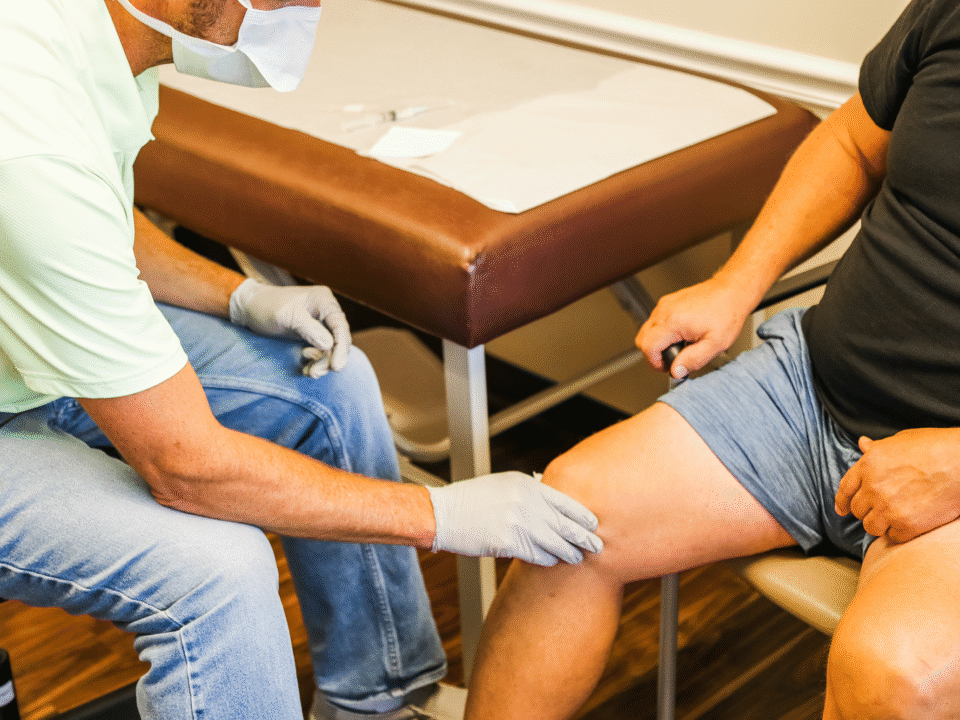
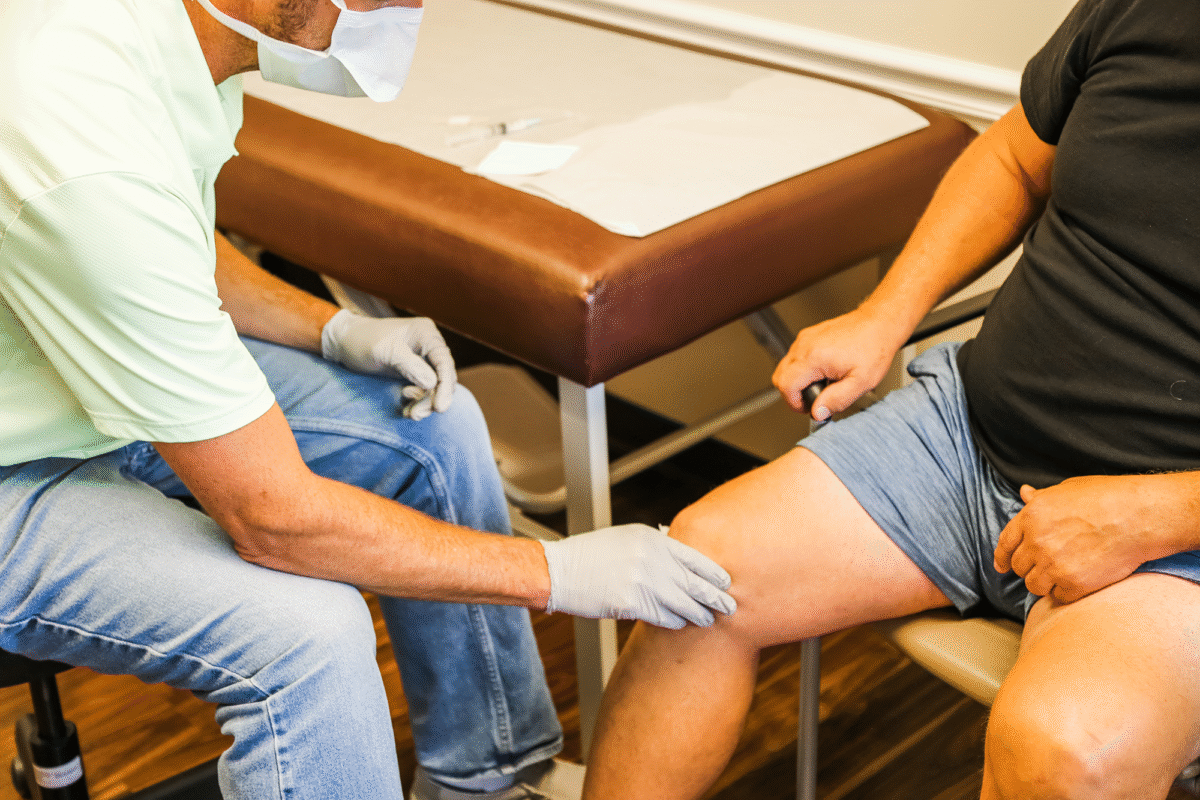
- Perform a physical examination
- Assess your movement and strength
- Check joint stability
- Recommend imaging tests if needed
- Discuss possible diagnoses
- Create a personalized treatment plan
Bring a list of your medications, previous medical records, and any imaging results if available.
Diagnostic Tests Orthopedic Doctors May Use
Depending on your symptoms, your doctor may recommend tests such as:
X-rays
Useful for detecting fractures, arthritis, and bone alignment issues.
MRI
Provides detailed images of muscles, tendons, ligaments, cartilage, and soft tissues.
CT Scan
Offers detailed cross-sectional images of bones and joints.
Ultrasound
Can help evaluate certain tendon and muscle injuries.
Blood Tests
Sometimes used to identify infections or inflammatory conditions.
These tests help confirm the diagnosis and guide treatment decisions.
Non-Surgical Treatments Offered by Orthopedic Doctors
Many orthopedic conditions improve without surgery.
Common non-surgical options include:
- Physical therapy
- Exercise programs
- Anti-inflammatory medications
- Pain relievers
- Joint braces
- Activity modification
- Ice and heat therapy
- Corticosteroid injections
- Hyaluronic acid injections for selected patients
- Lifestyle and weight management advice
These treatments aim to reduce pain, improve function, and support long-term joint health.
When Is Surgery Recommended?
Surgery is generally considered when:
- Conservative treatments have not provided relief
- A fracture requires stabilization
- A ligament is completely torn
- Joint damage is severe
- Pain significantly limits daily activities
- There is progressive loss of function
The decision is based on your symptoms, overall health, and treatment goals.
Questions to Ask an Orthopedic Doctor
Preparing questions before your appointment can help you better understand your condition.
Consider asking:
- What is causing my pain?
- Do I need imaging tests?
- Can my condition improve without surgery?
- What treatment do you recommend first?
- How long will recovery take?
- Are there exercises I should do or avoid?
- What are the benefits and risks of each treatment?
- When should I return for follow-up?
These questions encourage clear communication and shared decision-making.
Tips for Maintaining Healthy Bones and Joints
Protecting your musculoskeletal system can reduce the risk of future injuries.
Healthy habits include:
- Stay physically active.
- Maintain a healthy body weight.
- Eat calcium-rich foods.
- Get enough vitamin D.
- Wear supportive footwear.
- Stretch before exercise.
- Strengthen your muscles regularly.
- Use proper lifting techniques.
- Avoid smoking.
- Limit repetitive joint strain.
Small lifestyle changes can have a lasting impact on joint health.
Why Early Treatment Matters
Ignoring pain may allow certain conditions to worsen over time.
Early evaluation can:
- Identify the cause sooner
- Prevent further joint damage
- Improve treatment success
- Reduce recovery time
- Help you return to normal activities more quickly
Seeking care promptly often leads to better outcomes.
Conclusion
Searching for the best orthopedic doctor near me is an important step toward improving your bone and joint health. The right orthopedic specialist can accurately diagnose your condition, explain your treatment options, and create a personalized care plan that fits your needs.
Whether you’re experiencing chronic knee pain, back discomfort, arthritis, or a recent sports injury, early medical attention can help prevent complications and improve your quality of life. By choosing an experienced, qualified, and compassionate orthopedic doctor, you’ll be better equipped to manage your condition and stay active for years to come.
Frequently Asked Questions (FAQs)
1. What does an orthopedic doctor treat?
Orthopedic doctors diagnose and treat conditions affecting bones, joints, muscles, ligaments, tendons, and the spine. Common problems include arthritis, fractures, sports injuries, and chronic joint pain.
2. Do I need a referral to see an orthopedic doctor?
This depends on your health insurance plan and local healthcare system. Some plans allow you to book directly, while others require a referral from your primary care provider.
3. Can an orthopedic doctor treat knee pain without surgery?
Yes. Many cases of knee pain improve with physical therapy, medications, injections, exercise, braces, and other non-surgical treatments. Surgery is typically considered only when conservative care is not effective.
4. What should I bring to my first orthopedic appointment?
Bring your identification, insurance information, a list of medications, previous imaging reports (if available), and notes about your symptoms, including when they started and what makes them better or worse.
5. How do I know if I’ve found the best orthopedic doctor near me?
Look for a doctor with appropriate training, board certification, experience treating your condition, positive patient feedback, good communication skills, and a treatment approach that aligns with your needs and preferences.