
Preventing Falls in Older Adults: Practical Safety Tips
July 17, 2026
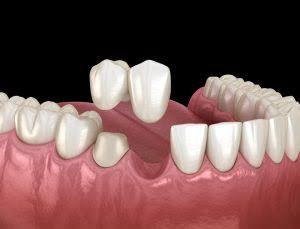
Dental Implants vs. Dentures: Which Option Is Right for You?
July 17, 2026
Tooth decay is one of the most common dental problems affecting both children and adults. It occurs when bacteria in the mouth produce acids that gradually damage the tooth enamel, leading to cavities, tooth pain, infections, and even tooth loss if left untreated.
The good news is that tooth decay is largely preventable with proper oral hygiene and healthy lifestyle habits. Brushing and flossing regularly, eating a balanced diet, and visiting your dentist for routine checkups can significantly reduce your risk of cavities and maintain a healthy smile.
This guide explains the causes of tooth decay, common symptoms, effective prevention strategies, and daily oral care tips to help keep your teeth strong and healthy.
What Is Tooth Decay?
Tooth decay, also known as dental caries or cavities, is the gradual breakdown of tooth enamel caused by acids produced by bacteria in dental plaque.
When sugary or starchy foods remain on the teeth, bacteria feed on them and produce acid. Over time, these acids weaken the enamel and create small holes, which develop into cavities if not treated.
Common Causes of Tooth Decay
Several factors contribute to tooth decay, including:
- Poor oral hygiene
- Frequent consumption of sugary foods and drinks
- Sticky snacks
- Dry mouth
- Plaque buildup
- Lack of fluoride
- Smoking or tobacco use
- Irregular dental checkups
Understanding these causes is the first step toward prevention.
Early Signs and Symptoms
Tooth decay may not cause symptoms in its early stages, but as it progresses, you may notice:
- Tooth sensitivity
- Pain when eating or drinking
- Visible holes in the teeth
- Brown, black, or white spots on the tooth
- Bad breath
- Swollen gums around the affected tooth
If you experience any of these symptoms, schedule a dental appointment as soon as possible.
Why Daily Oral Care Is Important
Maintaining good oral hygiene helps:
- Prevent cavities
- Reduce plaque buildup
- Keep gums healthy
- Prevent bad breath
- Lower the risk of gum disease
- Protect natural teeth for years to come
Daily oral care is one of the easiest ways to improve your overall health.
1. Brush Your Teeth Twice a Day
Brushing removes plaque and food particles from the teeth.
For best results:
- Brush for at least two minutes
- Use a soft-bristled toothbrush
- Choose fluoride toothpaste
- Brush every morning and before bedtime
Replace your toothbrush every three to four months or sooner if the bristles become worn.
2. Floss Every Day
Flossing removes plaque and food debris from areas that a toothbrush cannot reach.
Daily flossing helps prevent:
- Cavities between teeth
- Gum disease
- Bad breath
Make flossing part of your daily routine for optimal oral health.
3. Use Fluoride Toothpaste
Fluoride strengthens tooth enamel and helps repair early damage caused by acid attacks.
Most dentists recommend using fluoride toothpaste for both children and adults unless advised otherwise.
4. Limit Sugary Foods and Drinks
Sugar is one of the main causes of tooth decay.
Reduce your intake of:
- Candy
- Soft drinks
- Sweetened coffee
- Cakes
- Cookies
- Sugary cereals
Instead, choose healthier snacks like:
- Fresh fruit
- Cheese
- Yogurt
- Nuts
- Raw vegetables
5. Drink Plenty of Water
Water helps wash away food particles and bacteria while keeping your mouth hydrated.
Fluoridated water also strengthens tooth enamel and reduces the risk of cavities.
6. Eat a Balanced Diet
Healthy foods provide essential nutrients for strong teeth and gums.
Include:
- Dairy products
- Leafy green vegetables
- Lean proteins
- Fish
- Whole grains
- Calcium-rich foods
- Vitamin D-rich foods
Proper nutrition supports long-term dental health.
7. Avoid Tobacco Products
Smoking and chewing tobacco increase the risk of:
- Tooth decay
- Gum disease
- Tooth loss
- Oral cancer
- Bad breath
Quitting tobacco improves both oral and overall health.
8. Visit Your Dentist Regularly
Routine dental checkups allow your dentist to detect problems early.
Most people should schedule dental visits every six months for:
- Professional cleaning
- Oral examination
- X-rays when necessary
- Early cavity detection
Preventive care often saves time, money, and discomfort.
9. Consider Dental Sealants
Dental sealants are thin protective coatings applied to the chewing surfaces of molars.
They help:
- Prevent food buildup
- Reduce cavity risk
- Protect children’s permanent teeth
Adults with healthy molars may also benefit from sealants.
10. Protect Your Teeth During Sports
If you participate in contact sports, wear a properly fitted mouthguard.
A mouthguard helps prevent:
- Broken teeth
- Chipped teeth
- Jaw injuries
- Soft tissue injuries
Protective equipment is an important part of dental safety.
Common Dental Problems Caused by Tooth Decay
Untreated cavities can lead to:
- Severe toothache
- Dental abscess
- Gum infections
- Tooth loss
- Difficulty chewing
- Spread of infection
Early treatment prevents these complications.
When Should You See a Dentist?
Schedule a dental appointment if you experience:
- Persistent tooth pain
- Tooth sensitivity
- Swollen gums
- Bleeding gums
- Loose teeth
- Visible cavities
- Bad breath that doesn’t improve
Early diagnosis leads to simpler and more effective treatment.
Frequently Asked Questions
Can tooth decay be reversed?
Early enamel damage may be repaired with fluoride treatment, but once a cavity forms, professional dental treatment is required.
How often should I brush my teeth?
Dentists recommend brushing twice daily for at least two minutes each time.
Is flossing really necessary?
Yes. Flossing removes plaque and food particles from between the teeth where toothbrushes cannot reach.
Are sugary drinks harmful to teeth?
Yes. Frequent consumption of sugary beverages increases acid production, which can damage tooth enamel and cause cavities.
Conclusion
Preventing tooth decay begins with good daily oral care habits. Brushing twice a day, flossing daily, eating a healthy diet, limiting sugary foods, drinking plenty of water, and visiting your dentist regularly are all essential steps toward maintaining strong teeth and healthy gums. By taking care of your oral health every day, you can reduce the risk of cavities, protect your smile, and enjoy better overall well-being for years to come.