

Essential Health Tips for Seniors to Stay Active and Independent
July 17, 2026
How to Prevent Tooth Decay: Daily Oral Care Tips
July 17, 2026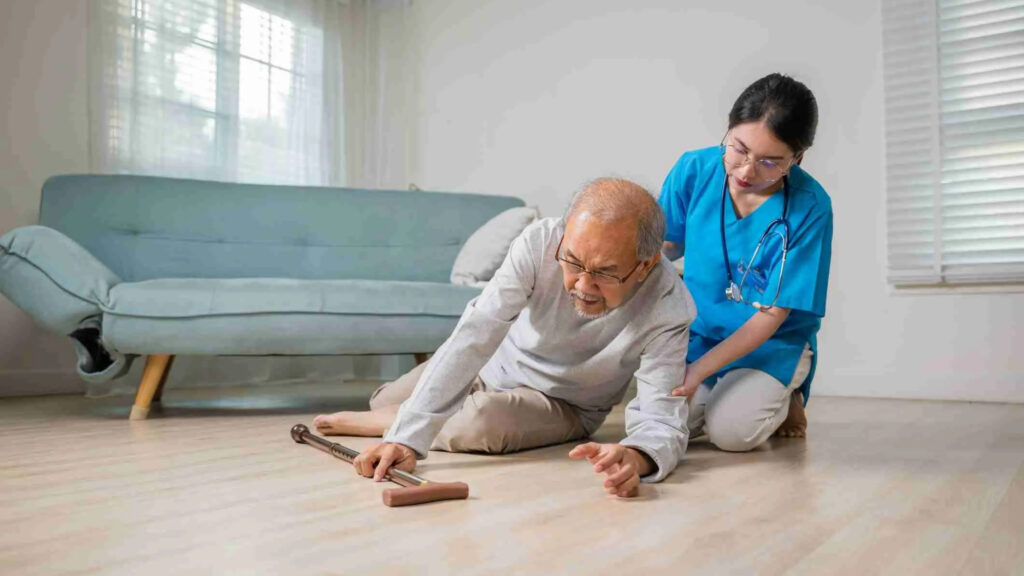
Falls are one of the leading causes of injury among older adults. A simple slip or trip can result in fractures, head injuries, or a loss of independence. Fortunately, many falls are preventable with the right lifestyle habits, home safety improvements, and regular medical care.
As people age, changes in vision, balance, muscle strength, and bone density can increase the risk of falling. Certain medications and chronic health conditions may also contribute to instability. Understanding these risk factors and taking proactive steps can help seniors stay safe, confident, and independent.
This guide provides practical fall prevention tips for older adults, caregivers, and family members.
Why Fall Prevention Matters
Falls can have serious physical and emotional consequences.
Common complications include:
- Broken bones
- Hip fractures
- Head injuries
- Reduced mobility
- Loss of confidence
- Fear of walking
- Long-term disability
Preventing falls not only protects physical health but also supports emotional well-being and independence.
Common Causes of Falls
Several factors can increase the likelihood of falling.
Poor Balance and Muscle Weakness
As muscles naturally weaken with age, maintaining balance becomes more difficult. Lack of physical activity can further reduce strength and coordination.
Vision Problems
Conditions such as cataracts, glaucoma, and age-related vision changes make it harder to detect obstacles and judge distances.
Medication Side Effects
Some medications may cause:
- Dizziness
- Drowsiness
- Low blood pressure
- Blurred vision
Reviewing medications regularly with a healthcare provider can reduce fall risk.
Chronic Health Conditions
Health conditions that may affect balance include:
- Arthritis
- Diabetes
- Parkinson’s disease
- Stroke
- Heart disease
- Osteoporosis
Managing these conditions can improve mobility and stability.
Make Your Home Safer
Most falls occur at home. Simple modifications can greatly reduce hazards.
Remove Tripping Hazards
Keep floors free of:
- Loose rugs
- Electrical cords
- Clutter
- Small furniture in walkways
Secure carpets with non-slip backing or remove them entirely.
Improve Lighting
Good lighting makes it easier to see obstacles.
Install:
- Bright hallway lights
- Nightlights in bedrooms and bathrooms
- Motion-sensor lights near entrances
- Stairway lighting
Always keep a flashlight nearby in case of power outages.
Install Grab Bars and Handrails
Supportive equipment improves stability.
Consider installing:
- Grab bars in bathrooms
- Handrails on both sides of staircases
- Non-slip mats in showers
- Raised toilet seats if needed
These changes provide additional support during daily activities.
Stay Physically Active
Exercise strengthens muscles, improves flexibility, and enhances balance.
Recommended activities include:
- Walking
- Tai Chi
- Yoga
- Swimming
- Light resistance training
- Stretching exercises
Aim for regular physical activity, with guidance from a healthcare provider if you have existing medical conditions.
Wear Proper Footwear
The right shoes can significantly reduce fall risk.
Choose shoes that:
- Fit properly
- Have non-slip soles
- Provide ankle support
- Have low heels
Avoid:
- High heels
- Slippers without grip
- Walking barefoot on smooth floors
Schedule Regular Vision and Hearing Exams
Vision and hearing play important roles in maintaining balance.
Regular checkups help identify problems early and ensure that glasses or hearing aids are up to date.
Review Your Medications
Some medications can increase the likelihood of falling.
Talk with your healthcare provider about:
- Prescription medications
- Over-the-counter medicines
- Supplements
Never stop taking medications without professional advice.
Eat a Healthy Diet
Proper nutrition supports muscle strength and bone health.
Include foods rich in:
- Calcium
- Vitamin D
- Protein
- Fruits
- Vegetables
- Whole grains
Drinking enough water also helps prevent dizziness caused by dehydration.
Manage Chronic Conditions
Keeping chronic illnesses under control reduces fall risk.
Follow treatment plans for conditions such as:
- Diabetes
- High blood pressure
- Arthritis
- Osteoporosis
- Heart disease
Regular medical checkups help monitor your health and prevent complications.
Use Mobility Aids When Needed
Walking aids can improve confidence and stability.
Common mobility devices include:
- Canes
- Walkers
- Wheelchairs
- Handrails
Ask a healthcare professional to ensure the device is properly fitted and used correctly.
Practice Safe Daily Habits
Simple habits can make everyday activities safer.
- Stand up slowly from sitting or lying down.
- Hold handrails when using stairs.
- Avoid rushing.
- Keep frequently used items within easy reach.
- Clean up spills immediately.
- Ask for help when lifting heavy objects.
These small changes can prevent unnecessary accidents.
Family and Caregiver Tips
Family members and caregivers play a key role in fall prevention.
They can help by:
- Inspecting the home for hazards
- Encouraging regular exercise
- Scheduling medical appointments
- Monitoring medication use
- Assisting with mobility when necessary
Open communication helps identify safety concerns before they become serious.
When Should You Seek Medical Attention?
Contact a healthcare provider if an older adult experiences:
- Frequent falls
- Loss of balance
- Dizziness
- Sudden weakness
- Difficulty walking
- Confusion after a fall
- Persistent pain following a fall
Even if no injury is immediately apparent, a medical evaluation may be necessary.
Frequently Asked Questions
Why are older adults more likely to fall?
Aging can lead to reduced muscle strength, balance problems, vision changes, and chronic health conditions that increase fall risk.
Can exercise really prevent falls?
Yes. Regular exercise improves balance, strength, flexibility, and coordination, all of which help reduce the likelihood of falling.
Should all seniors use a walking aid?
Not necessarily. Mobility aids should only be used when recommended by a healthcare provider or physical therapist.
What should I do after a fall?
If you are injured or unable to get up, call for help immediately. Even after a minor fall, consult your healthcare provider to determine the cause and prevent future falls.
Conclusion
Falls are a common but preventable concern for older adults. By improving home safety, staying physically active, eating a balanced diet, managing chronic conditions, wearing proper footwear, and scheduling regular health checkups, seniors can significantly reduce their risk of falling. Taking proactive steps today helps maintain independence, confidence, and a better quality of life for years to come.