
Augmented Reality – Transforming the Digital and Physical Worlds!
June 24, 2026
What Causes Thunder After Lightning!
June 27, 2026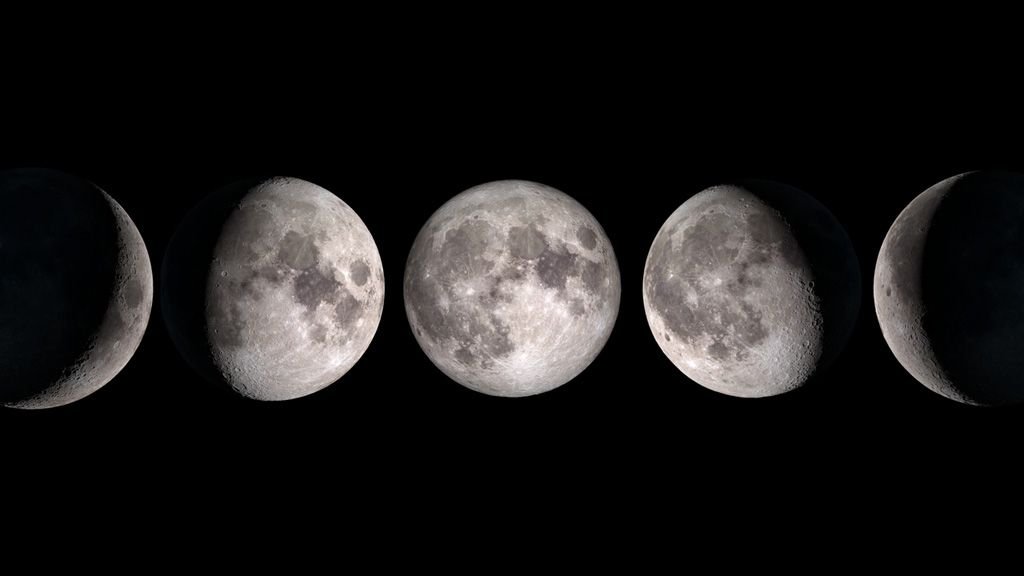
The question “When Is the Next Full Moon?” is one that many people ask throughout the year. Full moons have fascinated humans for centuries, inspiring myths, traditions, calendars, and scientific observations. Whether you enjoy stargazing, photography, astronomy, or simply admiring the night sky, knowing when the next full moon will occur can help you plan your viewing experience.
A full moon occurs when the Moon is positioned directly opposite the Earth from the Sun. During this phase, the entire side of the Moon facing Earth is illuminated, making it appear as a bright, complete circle in the night sky.
What Is a Full Moon?
A full moon is one of the eight major phases of the lunar cycle. It happens when the Moon has completed about half of its orbit around Earth and reflects the maximum amount of sunlight toward our planet.
The lunar cycle takes approximately 29.5 days to complete, meaning a full moon occurs roughly once every month. Because of this regular cycle, there are usually 12 full moons each year and occasionally 13.The full moon is often the easiest lunar phase to observe because it is bright and visible for most of the night.
How Does a Full Moon Occur?
The Moon does not produce its own light. Instead, it reflects sunlight.As the Moon orbits Earth, different portions of its sunlit side become visible. When Earth is positioned between the Sun and the Moon, the Moon’s illuminated side faces Earth completely.This alignment creates the full moon phase.
The sequence follows this pattern:
- New Moon
- Waxing Crescent
- First Quarter
- Waxing Gibbous
- Full Moon
- Waning Gibbous
- Last Quarter
- Waning Crescent
Why Do People Care About Full Moons?
Full moons have cultural, historical, and scientific significance.
Many people enjoy full moons because they:
- Illuminate the night sky
- Create beautiful photography opportunities
- Support outdoor nighttime activities
- Hold cultural and spiritual meaning
- Mark seasonal changes
Traditional Names of Full Moons:
Each month’s full moon often has a traditional name.These names originated from Indigenous cultures, farmers, and early settlers who used lunar cycles to track seasons.Some well-known full moon names include:
Wolf Moon
Occurs in January and is associated with wolves howling during winter.
Snow Moon
The February full moon is named for heavy snowfall in many regions.
Worm Moon
March’s full moon signals the arrival of spring and the return of earthworms.
Pink Moon
April’s full moon is linked to blooming pink wildflowers.
Flower Moon
The May full moon reflects the abundance of flowers during spring.
Strawberry Moon
June’s full moon was named after the strawberry harvest season.
Buck Moon
July’s full moon refers to the period when deer begin growing new antlers.
Harvest Moon
Often occurring near the autumn equinox, it provides extra evening light for harvesting crops.
How to Find Out When the Next Full Moon Will Occur?
Several resources can help determine the exact date and time of the next full moon.
Astronomy Websites
Professional astronomy organizations publish lunar calendars throughout the year.
Mobile Applications
Many moon-tracking apps provide real-time lunar phase information.
Online Calendars
Digital lunar calendars list upcoming full moon dates and viewing times.
Planetarium Resources
Local observatories and planetariums often share moon phase schedules.These resources can help viewers prepare for optimal observation opportunities.
Best Time to View a Full Moon:
Although a full moon technically occurs at a specific moment, it often appears full for several nights.
For the best viewing experience:
- Observe shortly after moonrise
- Choose a location with minimal light pollution
- Check local weather conditions
- Use binoculars or a telescope for greater detail
Full Moon and Astronomy:
Full moons provide opportunities for astronomy enthusiasts to study lunar features.However, because the Moon is extremely bright during this phase, some surface details can be harder to observe compared to other lunar phases.
Astronomers often use full moons to:
- Track lunar cycles
- Study moonlight effects
- Observe eclipses
- Educate students about celestial mechanics
Can a Full Moon Affect Earth?
The Moon’s gravitational pull influences Earth in several ways.
Ocean Tides
Full moons contribute to stronger tides called spring tides.During a full moon, the gravitational forces of the Moon and Sun combine to create higher high tides and lower low tides.
Wildlife Activity
Some animal species alter their behavior during full moon periods.
Nighttime Visibility
The increased brightness can affect both human and animal activities after dark.While many myths exist regarding full moons, scientific evidence supports only certain physical effects such as tides and light levels.
Full Moon Myths and Legends:
Throughout history, full moons have inspired countless stories and traditions.Various cultures have associated full moons with:
- Good fortune
- Spiritual events
- Seasonal celebrations
- Folklore creatures
- Religious ceremonies
Full Moon Photography Tips:
Photographing a full moon can be rewarding.For better results:
Use a Tripod
A stable camera reduces blur and improves image quality.
Zoom In
Telephoto lenses help capture detailed lunar images.
Adjust Exposure
The Moon is brighter than many people expect, so lower exposure settings may be necessary.
Choose Scenic Foregrounds
Including landscapes, buildings, or trees can create more dramatic photographs.Practice and planning often produce the best moon photographs.
Upcoming Full Moons and Seasonal Changes:
Full moons help mark the passage of seasons.Farmers, gardeners, and outdoor enthusiasts often use lunar calendars to plan activities.
As the Moon continues its predictable cycle, each full moon serves as a reminder of the natural rhythms that influence life on Earth.Understanding lunar phases can deepen appreciation for astronomy and the changing sky.
FAQ’s:
1. What is a full moon?
A full moon occurs when the Moon is directly opposite the Sun from Earth’s perspective, making its entire illuminated side visible.
2. How often does a full moon occur?
A full moon occurs approximately every 29.5 days, which is the length of one complete lunar cycle.
3. Can a full moon be seen for more than one night?
Yes, the Moon often appears full for one to three nights, even though the exact full moon phase happens at a specific time.
4. Why is the full moon so bright?
The full moon appears bright because the entire side facing Earth is illuminated by sunlight, reflecting the maximum amount of light toward our planet.
5. Does a full moon affect ocean tides?
Yes, full moons create stronger tides, known as spring tides, because the gravitational forces of the Moon and Sun work together to influence Earth’s oceans.
Conclusion:
The question “When Is the Next Full Moon?” continues to capture the curiosity of people around the world. A full moon occurs approximately every 29.5 days and represents one of the most beautiful and recognizable events in the night sky.
Whether you are interested in astronomy, photography, cultural traditions, or simply enjoying a bright moonlit evening, keeping track of upcoming full moons can make the experience even more meaningful.