

Micron Technology Stock – A Complete Guide for Investors!
June 23, 2026
When Is the Next Full Moon!
June 27, 2026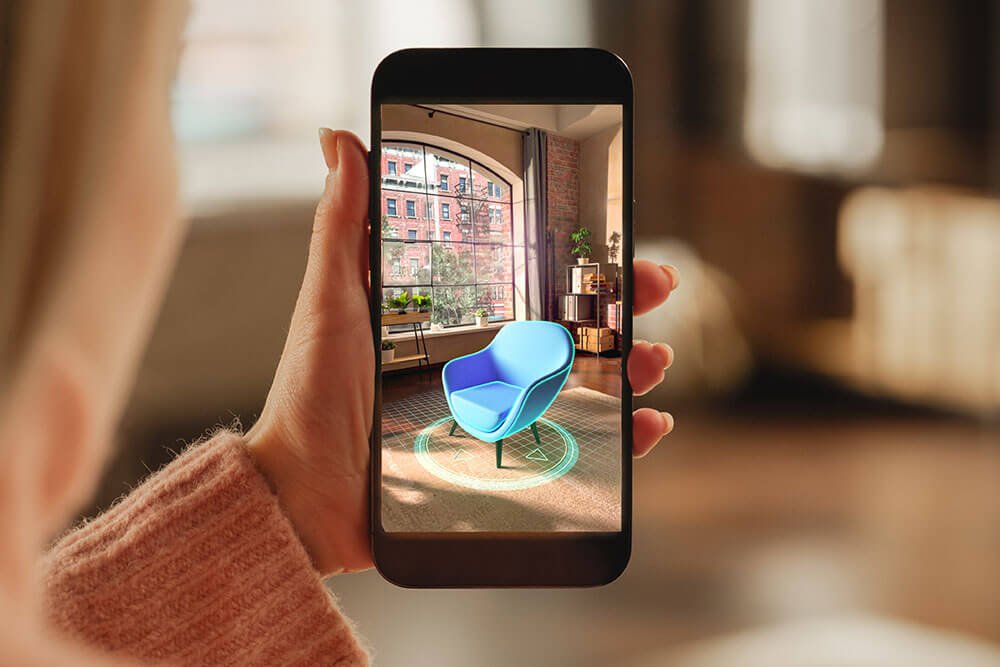
Augmented Reality (AR) is one of the most exciting technologies of the modern era. It blends digital content with the real world, allowing users to interact with virtual objects while still seeing their physical surroundings. Unlike virtual reality, which creates a completely digital environment, augmented reality enhances the real world by adding computer-generated images, sounds, and information.
Today, augmented reality is used in industries such as gaming, education, healthcare, retail, manufacturing, and entertainment. As technology continues to advance, AR is becoming more accessible and is changing how people work, learn, shop, and communicate.
What Is Augmented Reality?
Augmented Reality is a technology that overlays digital information onto the real-world environment. It uses devices such as smartphones, tablets, smart glasses, and AR headsets to display virtual elements that appear to exist in the physical world.
For example, when using an AR app on a smartphone, users can point their camera at a room and see virtual furniture placed inside the space. The digital object appears as if it is actually there, allowing users to interact with it in real time.
How Augmented Reality Works?
Augmented reality works by combining hardware and software technologies to analyze the user’s environment and display digital content.
The process generally involves:
- Capturing the environment through a camera
- Identifying surfaces and objects
- Processing information using AR software
- Overlaying virtual content onto the real-world view
- Allowing users to interact with digital elements
Advanced AR systems use sensors, GPS, artificial intelligence, and computer vision to improve accuracy and realism.
Key Components of Augmented Reality:
Several technologies work together to create AR experiences.
Cameras and Sensors
Cameras capture the surrounding environment while sensors track movement and location.
Processing Technology
Powerful processors analyze data and generate digital content in real time.
Display Devices
Smartphones, tablets, AR glasses, and headsets display virtual objects to users.
Software and Applications
AR software creates interactive experiences and manages digital content.
Types of Augmented Reality:
There are different forms of augmented reality used for various purposes.
Marker-Based AR
This type uses specific images or markers to trigger digital content. When the camera recognizes the marker, it displays virtual elements.
Markerless AR
Markerless AR uses GPS, sensors, and location data to place digital objects without requiring physical markers.
Projection-Based AR
This technology projects virtual images directly onto physical surfaces.
Superimposition AR
This replaces part of the real-world view with digital enhancements or virtual objects.
Applications of Augmented Reality:
AR is transforming many industries and improving user experiences.
Gaming and Entertainment
Gaming is one of the most popular uses of augmented reality. AR games allow players to interact with digital characters and objects in real-world environments.
These experiences create engaging and immersive gameplay that combines physical movement with digital interaction.
Education and Learning
Augmented reality helps students learn through interactive visual experiences.
Educational AR applications can:
- Display 3D models
- Visualize scientific concepts
- Enhance classroom learning
- Improve student engagement
AR makes complex topics easier to understand by presenting information in a more interactive way.
Healthcare
The healthcare industry is increasingly using augmented reality for medical training, diagnosis, and surgery.Doctors can use AR to:
- Visualize anatomy
- Improve surgical precision
- Train medical students
- Access patient information during procedures
Retail and Shopping
Many retailers use AR to improve the shopping experience.Customers can:
- Try on virtual clothing
- Test makeup products
- Preview furniture in their homes
- Explore products before purchasing
Manufacturing and Industry
AR assists workers by providing real-time instructions and visual guidance.
Benefits include:
- Faster training
- Improved efficiency
- Reduced errors
- Enhanced maintenance procedures
Benefits of Augmented Reality:
Augmented reality offers numerous advantages across different industries.
Improved User Experience
AR creates engaging and interactive experiences that improve customer satisfaction.
Better Learning Opportunities
Visual and interactive content helps people understand information more effectively.
Increased Efficiency
Businesses can streamline operations and improve productivity through AR solutions.
Enhanced Decision-Making
AR allows users to visualize products, designs, and information before making decisions.
Cost Savings
Companies can reduce training costs, minimize errors, and improve operational efficiency.
Augmented Reality vs Virtual Reality:
People often confuse augmented reality with virtual reality.
Augmented Reality (AR)
- Enhances the real world
- Combines digital and physical environments
- Allows users to remain aware of their surroundings
Virtual Reality (VR)
- Creates a completely digital environment
- Blocks the real world
- Requires specialized headsets
While both technologies offer immersive experiences, AR focuses on enhancing reality rather than replacing it..
Impact of Augmented Reality on Society:
Augmented reality has the potential to transform how people interact with technology.
It can improve communication, education, healthcare, shopping, and workplace productivity. Businesses that adopt AR technologies may gain competitive advantages by offering innovative services and experiences.
As consumers become more familiar with AR, demand for new applications and solutions will continue to grow.
FAQ’s:
1. What is augmented reality (AR)?
Augmented reality is a technology that overlays digital content such as images, videos, and 3D objects onto the real-world environment using devices like smartphones, tablets, or AR glasses.
2. How does augmented reality work?
AR uses cameras, sensors, software, and processors to analyze the real world and display virtual elements that interact with the user’s surroundings in real time.
3. What are some common uses of augmented reality?
Augmented reality is used in gaming, education, healthcare, retail, manufacturing, navigation, and entertainment to create interactive experiences.
4. What is the difference between augmented reality and virtual reality?
Augmented reality enhances the real world with digital content, while virtual reality creates a completely immersive digital environment that replaces the real world.
5. What are the benefits of augmented reality?
AR improves learning, increases user engagement, enhances shopping experiences, boosts workplace productivity, and helps businesses provide innovative solutions.
Conclusion:
Augmented Reality is a revolutionary technology that combines digital information with the real world. It enhances everyday experiences by adding virtual objects, information, and interactions to physical environments.
From gaming and education to healthcare and retail, AR is creating new opportunities and transforming industries.