

Tips for Supporting Women Through Menopause
October 23, 2026
The Role of a Wellness Center in Healthy Weight Management
October 27, 2026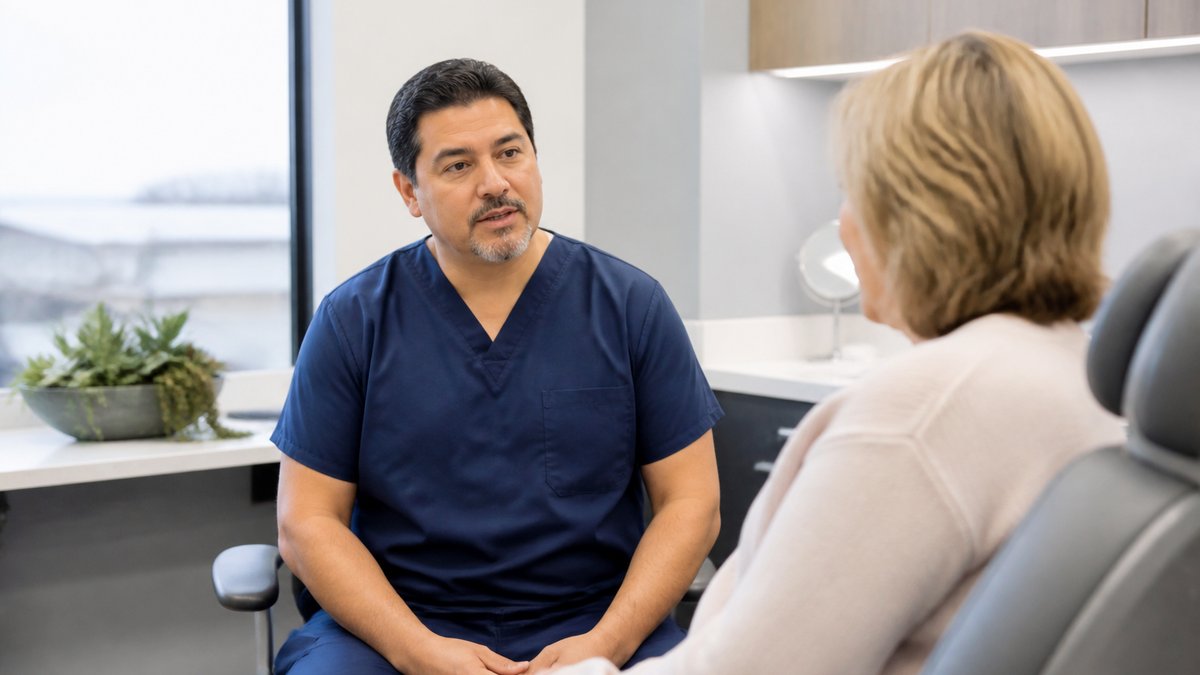
Mohs surgery involves removing skin cancer in stages and examining each layer under a microscope to check for remaining cancer cells. Mohs surgeons use this approach to preserve as much healthy tissue as possible while treating the affected area. Here is an overview of what to expect during Mohs surgery:
Preparing for Your Appointment
Preparation starts several days before the procedure. Mohs surgeons generally provide written instructions, and following them can help the day run smoothly. Here are some general tips for preparing for your appointment:
- Share your medication list: Tell the team about blood thinners, supplements, and prescriptions, and do not stop any medication unless your doctor tells you to.
- Plan for a long visit: Appointments often last several hours, so set aside most of the day.
- Eat a regular meal: Most offices allow you to eat beforehand unless they state otherwise.
- Wear comfortable clothing: Loose layers keep you comfortable while you wait between stages.
- Arrange transportation: Some patients prefer a driver, especially when the surgical site is near the eyes.
Understanding the Surgical Procedure
The procedure takes place in an outpatient surgical office, and most patients stay awake the entire time. A nurse cleans the area, and Mohs surgeons mark the site. Next, they inject a local anesthetic to numb the skin around the tumor. You may feel a brief pinch during the injection, but the area generally becomes numb within minutes.
Once the skin is numb, they remove the visible tumor along with a thin layer of nearby tissue. This step usually lasts only a few minutes. The team then places a temporary bandage over the site, and you return to a waiting area while the lab prepares the sample.
Exploring Tissue Examination
Tissue examination sets Mohs surgery apart from other removal methods. A lab technician processes the tissue on-site, and the Mohs surgeons review it under a microscope.
Mapping the Tissue
Before processing, Mohs surgeons divide the removed tissue into sections and mark the edges with colored dyes. A detailed map records each section’s exact location. When the surgeon finds cancer cells at an edge, the map shows precisely where they remain on your skin. This method lets the surgeon target only the affected area in the next stage.
Removing Remaining Cancer Cells
If surgeons find cancer cells at the margins, you return to the procedure room for another stage. They numb the area again as needed and remove another thin layer only where the map indicates. The cycle repeats until the margins show no cancer cells; the number of stages varies by patient.
Reviewing Wound Care Plans
After the final stage, Mohs surgeons discuss options for closing the wound. The choice depends on the wound’s size, depth, and location. Options include letting the wound heal on its own, closing it with stitches, or using a flap or graft, which moves nearby or distant skin to cover the area. Some patients receive their repair from another specialist, such as a plastic surgeon, on the same day or at a later date.
Before you leave, the team provides written aftercare instructions. These typically explain how to clean the wound, how often to change the bandage, and which activities to limit. Follow the instructions closely, and contact the office if you notice bleeding, increasing redness, or other concerns.
Consult Qualified Mohs Surgeons
Mohs surgery offers a precise, step-by-step approach to skin cancer treatment. It involves careful preparation, layer-by-layer tissue removal, on-site microscopic examination, and meticulous wound closure. This detailed process optimizes cancer removal and also preserves as much healthy tissue as possible. Recovery times vary depending on the lesion’s size and depth, so always discuss proper post-operative care. Contact a modern skin cancer practice near you to schedule your consultation with qualified Mohs surgeons today.