
Innovations in Foot and Ankle Surgery
November 9, 2026
How Stress Can Influence Gout Attacks
November 10, 2026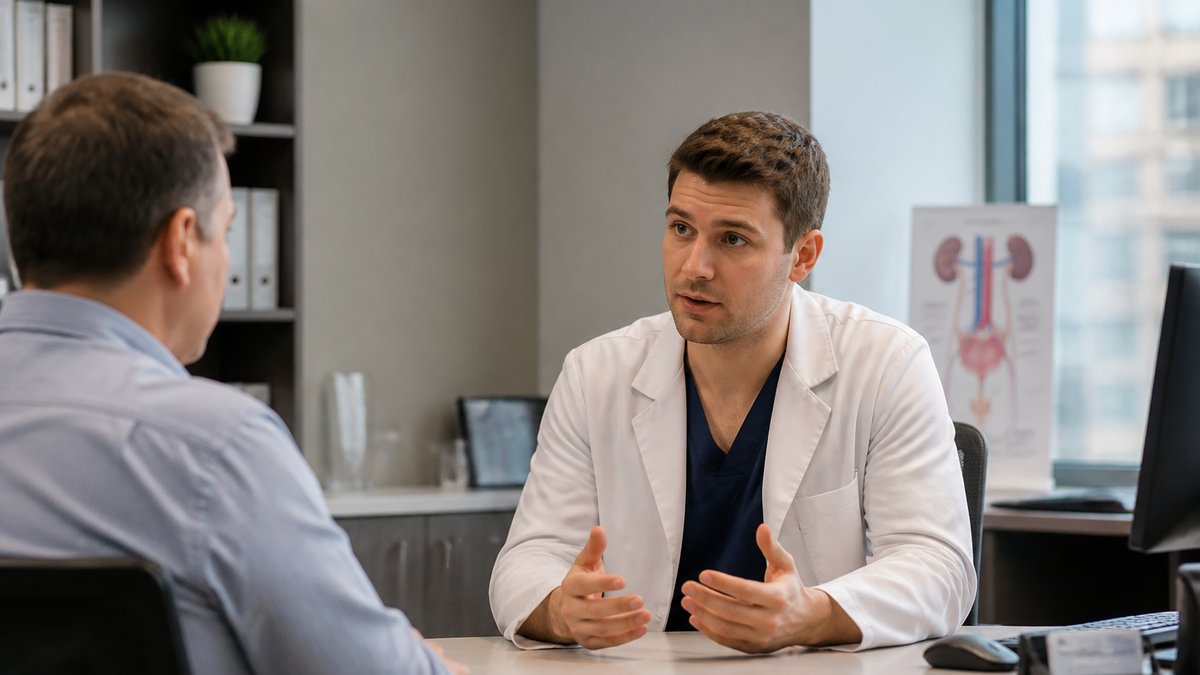
Urology addresses disorders of the urinary tract and the male reproductive system; it spans several focused subfields that use different diagnostic and treatment approaches. Understanding how these areas relate helps patients interpret recommendations, ask direct questions, and follow structured treatment plans. Some subspecialties focus on sexual function, others on urinary control, and others on minimally invasive procedures that use cameras and fine instruments to access internal structures. Here is more information on the various subfields of urology:
Male Sexual Health
Male sexual health within urology focuses on conditions that influence arousal, erection, ejaculation, and hormone balance. A urologist diagnoses and treats:
- Erectile dysfunction
- Low testosterone
- Peyronie’s disease
- Testicular pain
Treatment in this subfield ranges from lifestyle guidance and oral medication to devices and procedural options, and the choice depends on the cause and severity of symptoms. Clear explanations of diagnosis and treatment steps help patients follow through on recommended therapies.
Female Urology
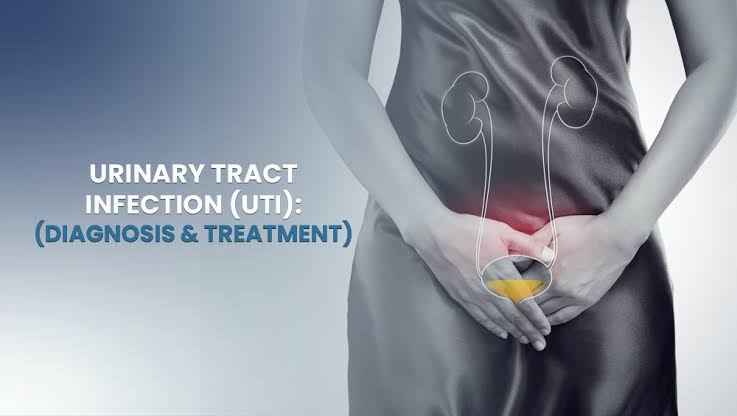
Female urology focuses on bladder, urethral, and pelvic floor disorders in women, and it may address symptoms such as leakage and recurrent infections. The female pelvis differs from the male pelvis. Evaluation methods and treatment strategies adapt to those structural features. Patients may describe symptoms that fluctuate with activity, posture, or life stages such as pregnancy and menopause, and these patterns guide testing.
Common conditions in this subfield include stress urinary incontinence, urge incontinence, overactive bladder, pelvic organ prolapse, and pain syndromes involving the bladder or urethra. Diagnostic work may involve urine testing and pelvic exams. Treatment plans often start with behavioral strategies and pelvic floor therapy, and they progress to medications if needed. Procedural or surgical options are evaluated when conservative measures do not control symptoms.
Endoscopic Treatment
Endoscopic treatment in urology uses slender instruments equipped with cameras to diagnose and treat conditions inside the urinary tract while limiting the need for large incisions. These procedures access the urethra, bladder, ureters, and kidneys through natural openings, and they rely on real-time video guidance to direct instruments. Because tissue disruption is generally smaller than with open surgery, recovery times are often shorter. Patients may return to daily activities on a more predictable timeline.
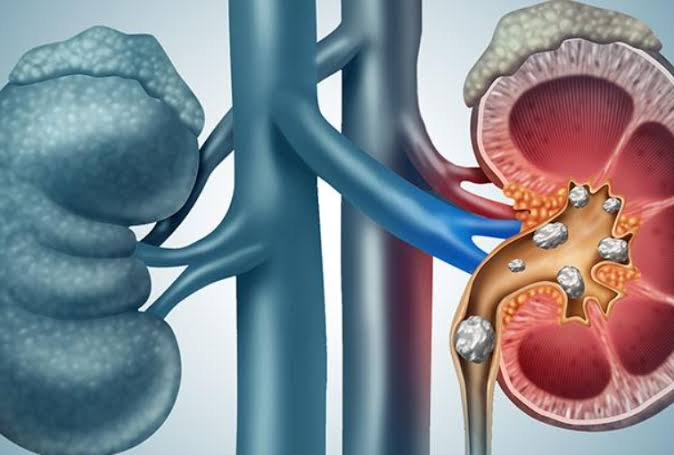
Common endoscopic procedures include cystoscopy to inspect the bladder lining, ureteroscopy to evaluate or treat stones and strictures in the ureter, and the removal of parts of the prostate. During these procedures, the urologist may remove stones or take biopsies. They may also place stents that help urine flow around a blockage. Anesthesia type varies with procedure length and complexity; preoperative planning addresses blood-thinning medications or active infections.
Because endoscopic techniques continue to evolve, they often integrate improved optics and flexible scopes. These advances expand the range of conditions treated through minimally invasive procedures. Patients usually receive instructions on fluid intake, activity level, and signs of complications such as fever or heavy bleeding; adherence to those instructions supports smoother recovery. When endoscopic treatment is combined with imaging, the team gains more precise information about the patient’s condition.
Learn More About Urology Today
Each subfield within urology addresses a distinct set of symptoms, diagnostic tools, and treatment strategies; understanding these differences helps patients follow care plans. Some practices emphasize a broad scope across male and female sexual health. Others focus more narrowly on one area. Because urologic symptoms may overlap with conditions in other specialties, coordinated evaluation supports accurate diagnosis and targeted treatment. Schedule a urology appointment today to learn more.