
Exploring the Benefits of Hydration Rooms for Improved Health
November 13, 2026
Why Regular Visits To a Dental Clinic Are Necessary for Oral Health
November 13, 2026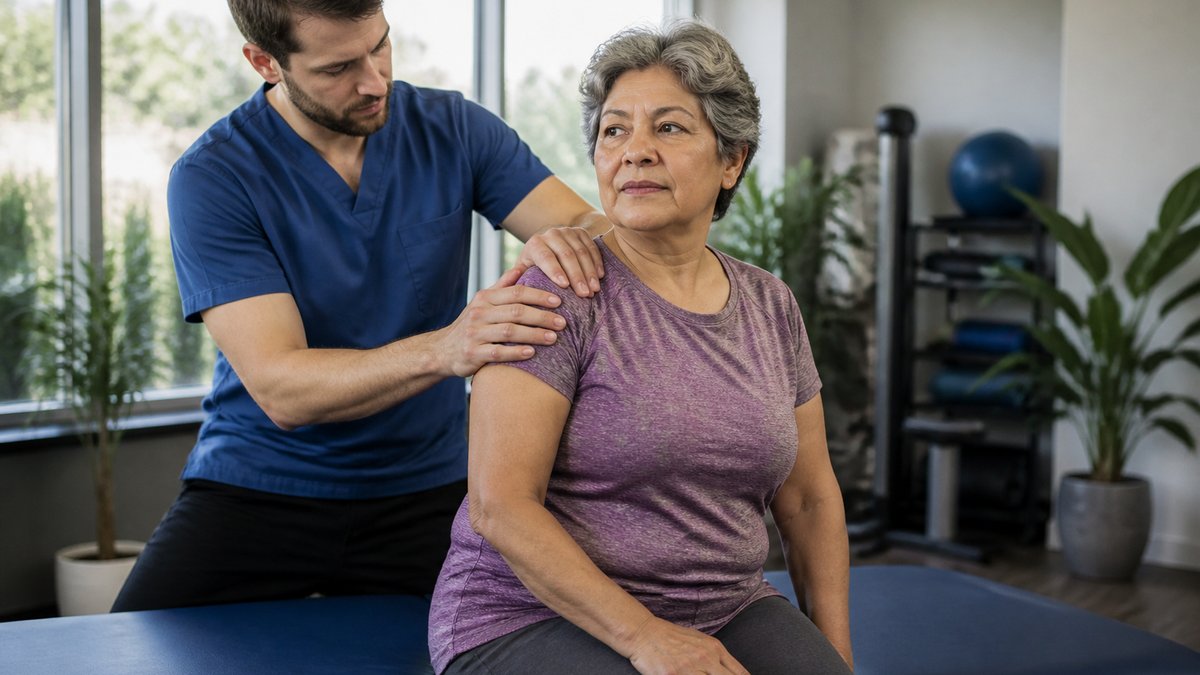
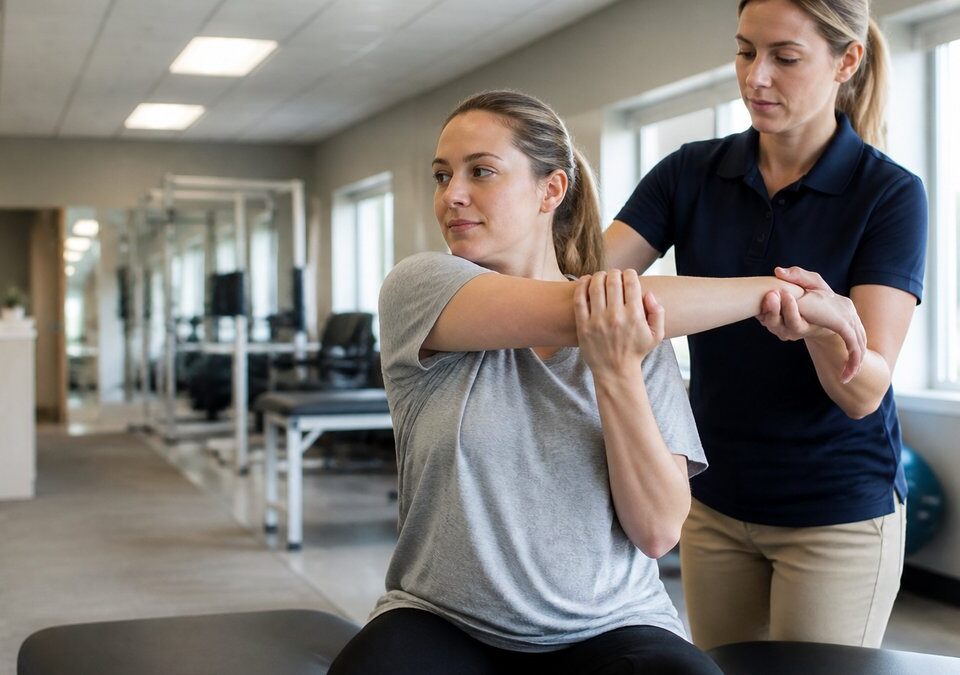
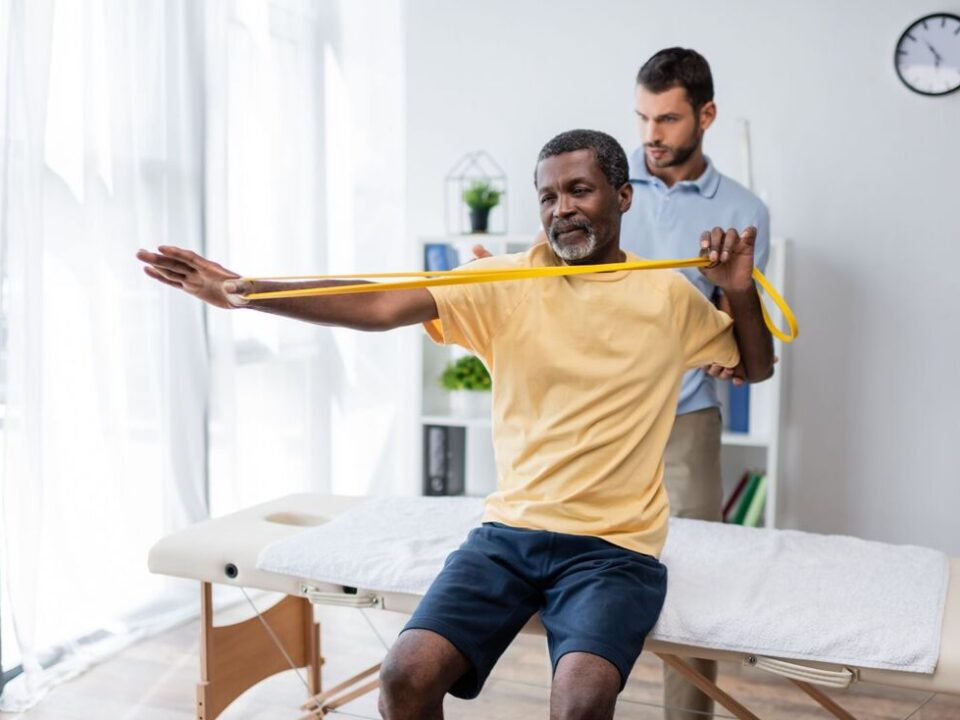
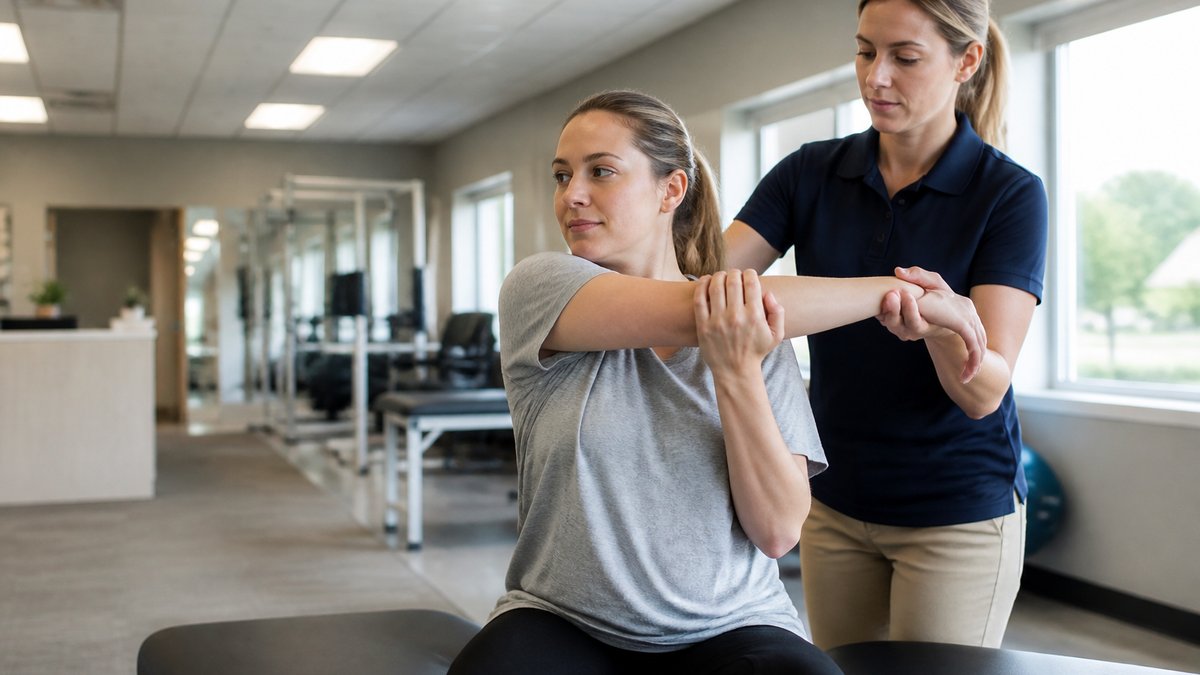
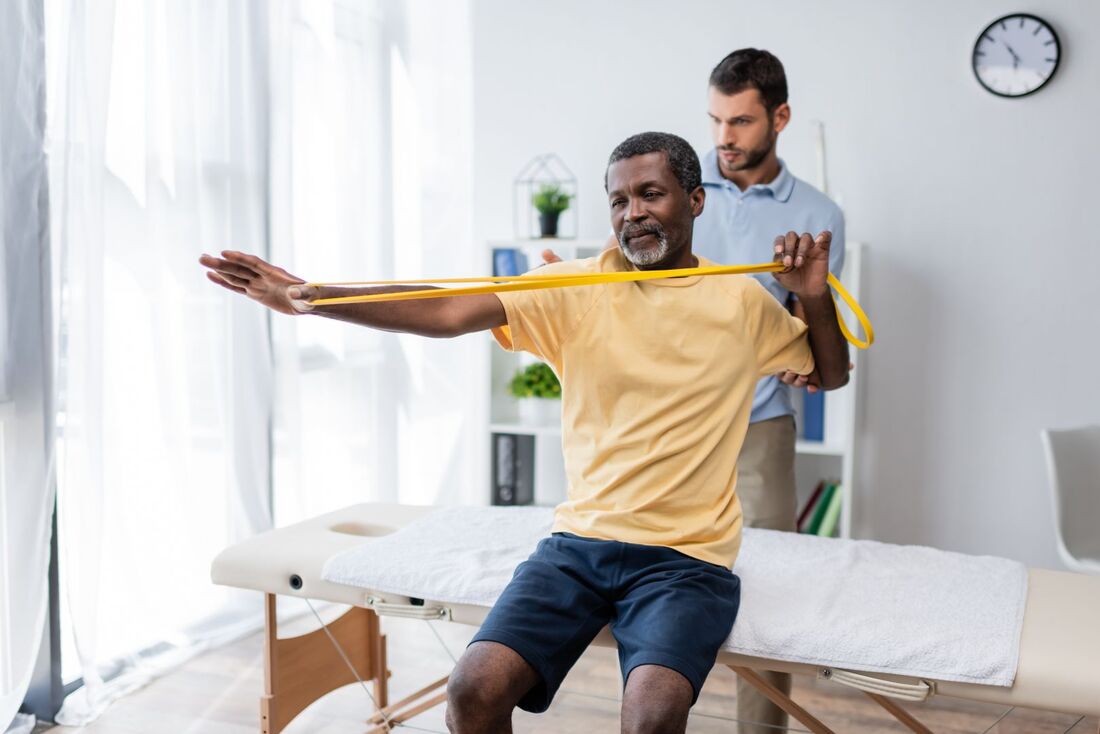
Rehabilitation after injury or surgery depends on steady progress, and physical therapy provides structure. A therapist evaluates how joints move and how muscles respond, then builds a plan that suits those findings. People may use therapy to regain walking tolerance, restore shoulder strength, or improve balance after a fall. Sessions blend guided exercise and movement training with education so patients understand what each activity does and how it supports recovery. Here’s more information about the role of physical therapy in rehabilitation:
Defining Rehabilitation Goals
Clear goals guide each stage of physical therapy, and they link clinic activities to daily life. A person recovering from knee surgery may focus on walking safely without an assistive device, while someone with a shoulder injury targets reaching overhead without discomfort. Therapists translate broad goals into measurable steps, such as improving range of motion, building muscle strength, or refining balance. As progress occurs, goals adjust so rehabilitation stays challenging yet realistic. This structure reduces guesswork, and it helps patients and therapists track whether treatment is moving in the right direction.
Supporting Recovery Milestones
Rehabilitation moves through phases, and physical therapy supports each one with targeted methods. Early sessions help protect healing tissues, later sessions build strength, and final stages refine function for work or recreation. A specialized clinic may adapt visit frequency or exercise intensity as mobility improves and as daily demands change. When therapy aligns with specific milestones, patients are able to see how each step leads toward increased independence, including:
- Early recovery that focuses on gentle motion and strategies to limit stiffness around the affected area.
- Strengthening exercises that help muscles support joints, which promotes more stable and efficient movement patterns.
- Balance and coordination drills that may reduce fall risk and support safe walking on different surfaces.
- Task-specific training that links exercises to real activities, such as stair climbing, lifting, or reaching.
- Education on posture and movement habits that help protect healing structures during daily routines.
Integrating Local Expertise
Access to experienced physical therapy providers impacts the rehabilitation process, especially when injuries involve bones, joints, or ligaments. Individuals may look for teams that understand both everyday activity demands and sport or work requirements. A coordinated approach combines orthopedic evaluation, imaging when appropriate, and structured therapy plans. This collaboration supports accurate diagnosis and targeted exercise selection, and it may help reduce unnecessary delays in recovery.
Regional clinics contribute to this process by sharing clear information about their focus. At some facilities, providers treat a wide range of musculoskeletal conditions affecting bones, joints, and soft tissues. This type of orthopedic perspective pairs well with physical therapy; it links medical findings with functional training. Patients can improve mobility, strength, and movement quality while still focusing on their broader orthopedic needs. This integration helps align rehabilitation with long-term joint health and activity goals.
Learn More About Physical Therapy
Rehabilitation does not end when formal sessions stop; it transitions into self-directed maintenance. Physical therapists teach patients exercises to do at home and explain how to progress or modify those routines as life changes. This treatment helps individuals return to walking trails, recreational sports, or physically demanding jobs. When patients understand how to monitor their own symptoms and adjust activity levels, they can respond earlier to setbacks. Contact a qualified specialist to learn more about physical therapy.