SpaceX and the IPO Moment!
June 30, 2026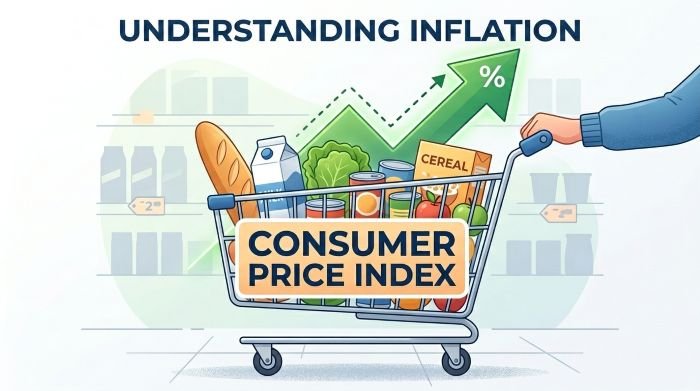
One Big Beautiful Tax Refund!
July 3, 2026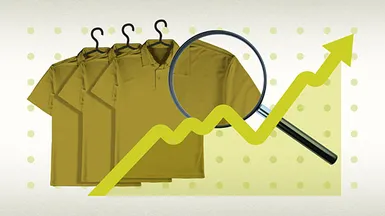
The Consumer Price Index (CPI) is one of the most important measures of inflation in an economy. It tracks changes in the prices consumers pay for goods and services over time. Governments, economists, businesses, and households closely monitor the CPI because it provides valuable insight into the cost of living and the overall health of the economy.
In recent years, rising inflation has encouraged consumers to rethink their spending habits. As prices increase, many shoppers have turned to thrift stores, secondhand markets, and resale platforms to stretch their budgets. This shift has sparked an interesting discussion often described as “The Consumer Price Index goes thrifting.”
Understanding the Consumer Price Index:
The Consumer Price Index is designed to measure the average change in prices paid by consumers for a basket of goods and services.
These categories typically include:
- Food and beverages
- Housing
- Transportation
- Healthcare
- Education
- Clothing
- Recreation
Government agencies collect price data regularly and compare it with previous periods to calculate inflation rates.
Why Inflation Matters?
Inflation affects nearly every aspect of daily life.When prices rise rapidly, consumers may experience:
- Reduced purchasing power
- Higher living expenses
- Increased borrowing costs
- Greater financial uncertainty
Inflation can influence decisions about saving, investing, spending, and borrowing.
The Rise of Thrifting:
One response to higher prices has been the growing popularity of thrifting.Thrifting refers to purchasing secondhand or pre-owned items from:
- Thrift stores
- Consignment shops
- Online resale platforms
- Vintage stores
- Community marketplaces
Consumers often find products at significantly lower prices than comparable new items.As inflation has increased, many shoppers have embraced secondhand purchasing as a practical financial strategy.
Why Consumers Are Turning to Secondhand Goods?
Cost Savings
The most obvious benefit is affordability.Consumers can often purchase clothing, furniture, electronics, and household items for a fraction of retail prices.This allows households to manage budgets more effectively during periods of economic pressure.
Sustainability
Environmental concerns have also fueled interest in secondhand shopping.Buying used goods helps reduce waste and extends product life cycles.Many consumers appreciate the environmental benefits of reducing consumption and supporting reuse.
Unique Products
Thrift stores often offer rare, vintage, or discontinued items.For some shoppers, thrifting is not only economical but also a way to find unique products unavailable in traditional retail stores.
The Relationship Between CPI and Consumer Behavior:
The Consumer Price Index measures what consumers spend money on.As spending habits evolve, the importance of different goods and services may change.
When more consumers choose secondhand items instead of new products, economists may need to consider how these trends affect spending patterns.Consumer behavior plays a major role in shaping economic measurements and understanding inflation.
Can Thrifting Affect Inflation Measurements?
This question has generated increasing interest among economists.Traditional CPI calculations generally focus on prices for new goods and services.
For example:
- New clothing prices may rise sharply.
- Consumers may respond by purchasing secondhand clothing.
- Actual household spending increases less than expected.
Growth of the Resale Economy:
The resale market has expanded significantly over the past decade.Online platforms have made secondhand shopping easier than ever.
Popular categories include:
- Clothing
- Shoes
- Electronics
- Furniture
- Collectibles
Digital Marketplaces and Thrifting:
The internet has revolutionized secondhand commerce.Consumers can buy and sell used goods through online platforms with minimal effort.Advantages include:
- Larger product selection
- Convenient shopping
- Competitive pricing
- Nationwide access
These marketplaces have accelerated the growth of the resale economy and increased its influence on consumer spending patterns.
Inflation and Changing Spending Priorities:
Higher inflation often forces households to prioritize essential spending.Consumers may reduce expenditures on:
- Luxury goods
- Entertainment
- Nonessential purchases
At the same time, they may seek lower-cost alternatives for everyday items.Thrifting becomes especially attractive during periods when wages struggle to keep pace with rising prices.
Economic Benefits of Secondhand Markets:
Increased Affordability
Consumers gain access to goods at lower prices.
Resource Efficiency
Products remain in circulation longer, reducing waste.
Additional Income Opportunities
Individuals can generate income by selling unwanted items.
Market Flexibility
Consumers gain more options when facing economic uncertainty.
These benefits contribute to the growing popularity of resale markets.
Challenges for Economic Measurement:
The expansion of secondhand commerce creates new questions for economists.Traditional inflation metrics were developed in an economy dominated by new-product retail sales.
Economists may need to consider:
- How secondhand markets influence spending
- Whether resale transactions affect inflation experiences
- How digital marketplaces reshape consumer choices
Consumer Adaptation in a Changing Economy:
One of the most important lessons from the rise of thrifting is consumer adaptability.When faced with higher prices, consumers often adjust by:
- Seeking discounts
- Comparing alternatives
- Delaying purchases
- Buying used goods
FAQ’s:
1. What is the Consumer Price Index (CPI)?
The Consumer Price Index (CPI) is a measure of the average change in prices that consumers pay for goods and services over time. It is commonly used to track inflation.
2. Why are more people turning to thrift stores?
Many consumers choose thrift stores because secondhand items are often much cheaper than new products, helping them save money during periods of rising prices.
3. How does inflation affect shopping habits?
Inflation increases the cost of goods and services, encouraging consumers to seek lower-cost alternatives such as thrift stores, discount retailers, and resale marketplaces.
4. Does thrifting help the environment?
Yes. Thrifting promotes reuse and reduces waste by extending the life of products, making it a more sustainable shopping option.
5. Can the rise of thrifting influence economic trends?
Yes. Growing demand for secondhand goods can change consumer spending patterns and may affect how economists analyze inflation and retail market behavior.
Conclusion:
The Consumer Price Index goes thrifting is a phrase that captures an important modern economic trend. As inflation pressures increase and consumer preferences evolve, more households are embracing secondhand shopping as a practical and sustainable way to reduce expenses.