
Stomach Pain After Eating: Causes, Symptoms, Treatment, and Prevention
July 17, 2026
Chronic Pain Management Clinic
July 17, 2026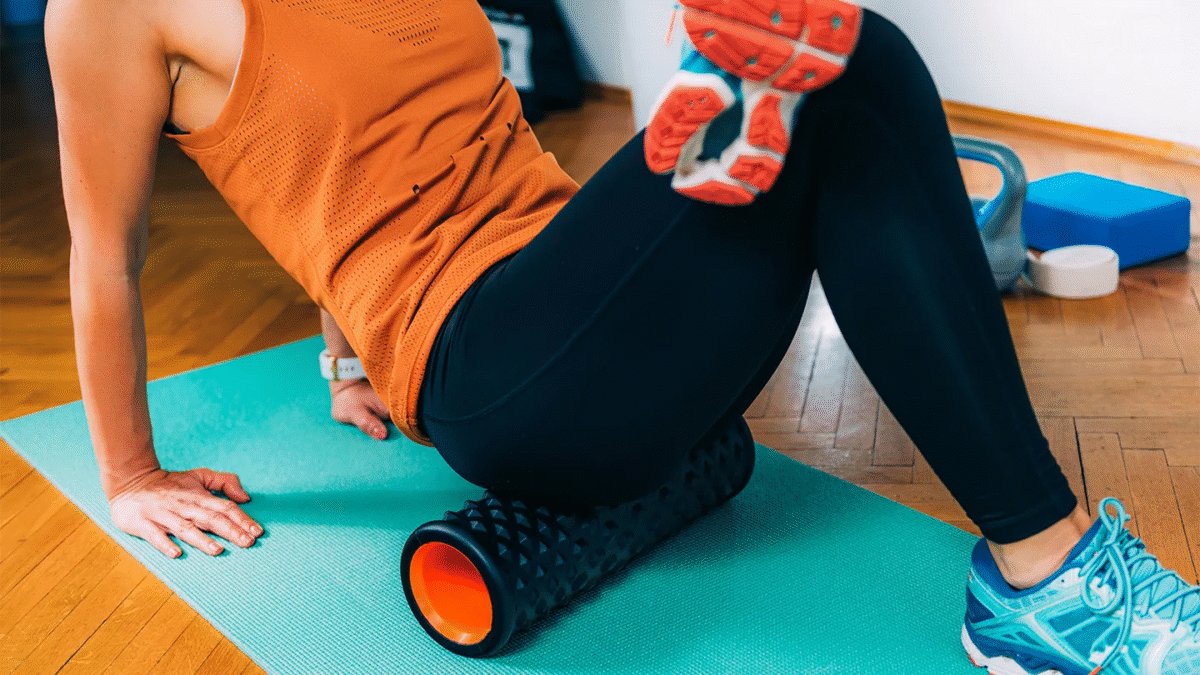
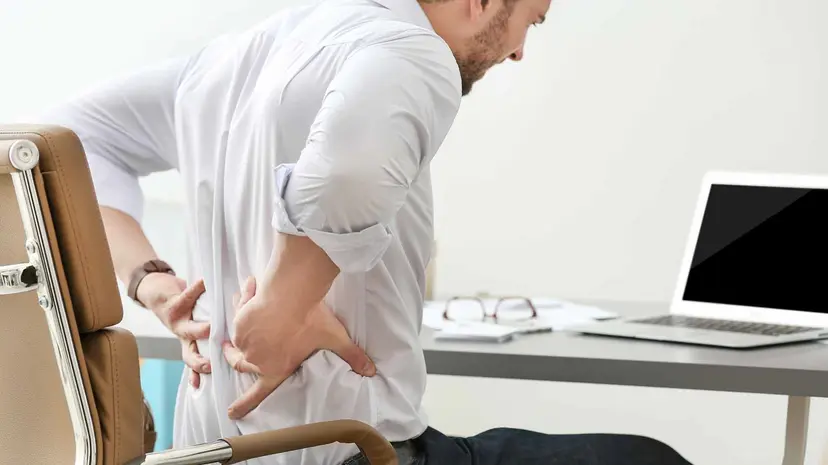
Lower back pain is one of the most common health problems affecting people of all ages. Whether it develops after lifting something heavy, sitting for long hours, or because of an underlying medical condition, back pain can make everyday activities difficult. Even simple tasks like walking, bending, or sleeping may become uncomfortable.
The good news is that most cases of lower back pain can be treated without surgery. A combination of proper rest, regular exercise, healthy lifestyle habits, and medical care can help reduce pain and improve movement. Finding the best treatment for lower back pain depends on the cause, severity, and duration of your symptoms.
In this article, you’ll learn about the most effective treatments, home remedies, medical options, and prevention tips to help you manage lower back pain and get back to living comfortably.
Understanding Lower Back Pain
Lower back pain refers to discomfort in the lumbar region, the lower part of your spine. The pain may be mild and short-lasting or severe and chronic.
Some people experience a dull ache, while others feel sharp pain that travels into the hips or legs. In many cases, the pain improves within a few weeks with proper care.
Common Causes of Lower Back Pain
Understanding the cause of your pain is the first step toward choosing the right treatment.
Some common causes include:
- Poor posture
- Muscle strain
- Heavy lifting
- Sports injuries
- Herniated disc
- Arthritis
- Degenerative disc disease
- Sciatica
- Obesity
- Pregnancy
- Long hours of sitting
- Weak core muscles
- Stress and muscle tension
Sometimes lower back pain develops without a clear cause, but healthy lifestyle changes often provide significant relief.
Symptoms of Lower Back Pain
Symptoms vary depending on the underlying condition.
Common symptoms include:
- Constant aching in the lower back
- Sharp pain during movement
- Muscle stiffness
- Difficulty standing upright
- Pain after sitting for long periods
- Pain spreading into the hips or legs
- Reduced flexibility
- Muscle spasms
If pain is accompanied by numbness, weakness, or loss of bladder or bowel control, immediate medical attention is necessary.
Best Treatment for Lower Back Pain
The best treatment usually combines several approaches rather than relying on one single solution.
1. Stay Active Instead of Staying in Bed
Years ago, people believed complete bed rest was the best solution. Today, doctors recommend gentle movement.
Walking for 20 to 30 minutes each day helps improve blood flow, reduces stiffness, and speeds recovery.
Avoid activities that increase your pain, but don’t remain inactive for long periods.
2. Apply Heat and Cold Therapy
One of the easiest home treatments is alternating between cold and heat.
Cold Therapy
Cold packs reduce inflammation during the first 24 to 48 hours after an injury.
Apply for 15–20 minutes every few hours.
Heat Therapy
After inflammation decreases, heat helps relax muscles and improve circulation.
Heating pads, warm towels, or warm showers often provide quick relief.
3. Perform Gentle Stretching Exercises
Stretching keeps muscles flexible and reduces stiffness.
Helpful stretches include:
- Knee-to-chest stretch
- Cat-Cow stretch
- Child’s Pose
- Pelvic tilts
- Hamstring stretch
Perform each stretch slowly without forcing your body.
If pain becomes worse, stop immediately.
4. Strengthen Your Core Muscles
Strong abdominal and back muscles provide better spinal support.
Exercises that strengthen your core include:
- Bridges
- Bird Dog
- Modified Planks
- Dead Bug exercise
- Side Planks
Begin with easy exercises and increase intensity gradually.
5. Improve Your Posture
Poor posture places unnecessary stress on your spine.
Simple posture improvements include:
- Sit with your feet flat on the floor.
- Keep your shoulders relaxed.
- Use a chair with lower back support.
- Keep computer screens at eye level.
- Avoid slouching.
Good posture helps prevent pain from returning.
6. Maintain a Healthy Weight
Extra body weight increases pressure on the lower spine.
Even losing a small amount of weight can reduce back pain and improve mobility.
Combine healthy eating with regular physical activity for long-term results.
7. Use Over-the-Counter Pain Relievers
Many people find temporary relief with non-prescription medications such as anti-inflammatory drugs or acetaminophen.
These medications should only be used as directed. If you have stomach ulcers, kidney disease, liver disease, or other medical conditions, consult your healthcare provider before taking them.
8. Physical Therapy
Physical therapy is one of the most effective long-term treatments for lower back pain.
A physical therapist creates a personalized exercise plan that improves flexibility, strengthens muscles, and corrects movement patterns that contribute to pain.
Many people notice significant improvement after several weeks of consistent therapy.
9. Massage Therapy
Massage therapy helps relax tight muscles, improve blood circulation, and reduce stress.
Professional massage may be especially helpful for pain caused by muscle tension or poor posture.
Combining massage with exercise often produces better results than massage alone.
10. Chiropractic Care
Some people benefit from spinal manipulation performed by a licensed chiropractor.
This treatment may improve joint movement and reduce pain in certain cases of mechanical lower back pain.
However, it is not suitable for everyone, especially people with fractures, severe osteoporosis, or certain spinal conditions. Always seek treatment from a qualified healthcare professional.
11. Practice Stress Management
Stress can cause muscles to tighten, making back pain worse.
Relaxation techniques include:
- Deep breathing
- Meditation
- Yoga
- Mindfulness
- Listening to calming music
- Spending time outdoors
Reducing stress benefits both your mental and physical health.
12. Get Better Sleep
Poor sleep and back pain often create a cycle where each makes the other worse.
To sleep more comfortably:
- Sleep on a supportive mattress.
- Place a pillow under your knees if you sleep on your back.
- Place a pillow between your knees if you sleep on your side.
- Maintain a regular sleep schedule
13. Prescription Medications
If lower back pain does not improve with home care, your doctor may prescribe stronger medications. These can include muscle relaxants to reduce muscle spasms or prescription anti-inflammatory medicines for severe inflammation.
These medications should only be taken under medical supervision because they can cause side effects and may not be suitable for everyone.
14. Steroid Injections
For people with severe pain caused by inflammation or irritated nerves, a healthcare provider may recommend corticosteroid injections. These injections can reduce swelling around the nerves and provide temporary pain relief.
Although steroid injections can be effective, they are usually recommended only after other treatments have not provided enough relief.
15. Surgery (When Necessary)
Most people with lower back pain do not need surgery. However, surgery may be considered if:
- Pain lasts for several months despite treatment.
- There is severe nerve compression.
- A herniated disc causes ongoing weakness or numbness.
- The spine is unstable.
- There is loss of bladder or bowel control (this is a medical emergency).
A spine specialist will evaluate your condition and discuss whether surgery is the best option.
Natural Home Remedies for Lower Back Pain
Many people find relief by combining medical treatments with simple home remedies.
Some effective natural remedies include:
- Walking every day
- Drinking enough water
- Maintaining a healthy body weight
- Eating anti-inflammatory foods
- Using supportive footwear
- Sleeping in a comfortable position
- Taking short breaks from sitting
- Practicing gentle yoga
- Stretching every morning
These habits can reduce pain and help prevent future problems.
Foods That May Help Reduce Inflammation
A healthy diet supports muscle recovery and may help reduce inflammation associated with back pain.
Include foods such as:
- Salmon and other oily fish
- Leafy green vegetables
- Blueberries and strawberries
- Nuts and seeds
- Olive oil
- Whole grains
- Beans and lentils
- Avocados
- Turmeric
- Ginger
Try to limit sugary drinks, processed foods, and excessive fast food, as these may contribute to inflammation.
Lifestyle Changes for Long-Term Relief
Long-term improvement often comes from healthy daily habits rather than a single treatment.
Consider these changes:
- Exercise regularly.
- Strengthen your core muscles.
- Avoid smoking.
- Lift heavy objects correctly by bending your knees instead of your back.
- Stay active throughout the day.
- Take breaks if you work at a desk.
- Use ergonomic furniture when possible.
- Wear supportive shoes.
- Stretch after long periods of sitting.
- Manage stress through relaxation techniques.
Making these habits part of your routine can significantly reduce the chances of recurring back pain.
How to Prevent Lower Back Pain
Prevention is often easier than treatment. You can protect your back by following these simple tips:
- Maintain good posture while sitting and standing.
- Exercise at least 30 minutes most days of the week.
- Lift objects carefully using your legs.
- Keep your core muscles strong.
- Avoid sitting continuously for hours.
- Sleep on a supportive mattress.
- Maintain a healthy weight.
- Stretch before and after physical activity.
- Stay hydrated.
- Wear comfortable, supportive footwear.
Small daily changes can make a big difference in keeping your spine healthy.
When Should You See a Doctor?
While many cases improve within a few weeks, medical attention is important if you experience:
- Severe pain after an accident or fall
- Pain lasting more than six weeks
- Pain that spreads down one or both legs
- Numbness or weakness in the legs
- Difficulty walking
- Fever along with back pain
- Unexplained weight loss
- Loss of bladder or bowel control
These symptoms may indicate a more serious condition that requires prompt evaluation.
Conclusion
Lower back pain can affect your work, sleep, and overall quality of life, but it doesn’t have to control your daily activities. The best treatment for lower back pain often involves a combination of staying active, improving posture, strengthening the core, maintaining a healthy weight, and using appropriate medical care when needed.
Most people recover without surgery by following a consistent treatment plan and making healthy lifestyle changes. If your pain is severe, persistent, or accompanied by unusual symptoms, consult a qualified healthcare professional for a proper diagnosis and personalized treatment.
Taking care of your spine today can help you stay active, mobile, and pain-free for years to come.
Frequently Asked Questions (FAQs)
1. What is the best treatment for lower back pain?
The best treatment depends on the cause of the pain. For many people, a combination of gentle exercise, physical therapy, proper posture, heat or cold therapy, and healthy lifestyle changes provides the most effective relief.
2. How long does lower back pain usually last?
Acute lower back pain often improves within a few days to six weeks. If the pain lasts longer than three months, it is considered chronic and should be evaluated by a healthcare professional.
3. Is walking good for lower back pain?
Yes. Gentle walking can improve blood circulation, reduce stiffness, strengthen supporting muscles, and promote healing. Start slowly and increase your activity as tolerated.
4. When is surgery needed for lower back pain?
Surgery is generally considered only when conservative treatments fail or when there is significant nerve damage, spinal instability, or emergency symptoms such as loss of bladder or bowel control.
5. Can lower back pain be prevented?
Yes. Maintaining good posture, exercising regularly, strengthening your core muscles, lifting objects correctly, staying at a healthy weight, and avoiding prolonged sitting can greatly reduce the risk of lower back pain.