
How To Reintroduce Foods After Gallbladder Removal
November 4, 2026
How Urgent Care Facilities Can Help Manage Illnesses
November 5, 2026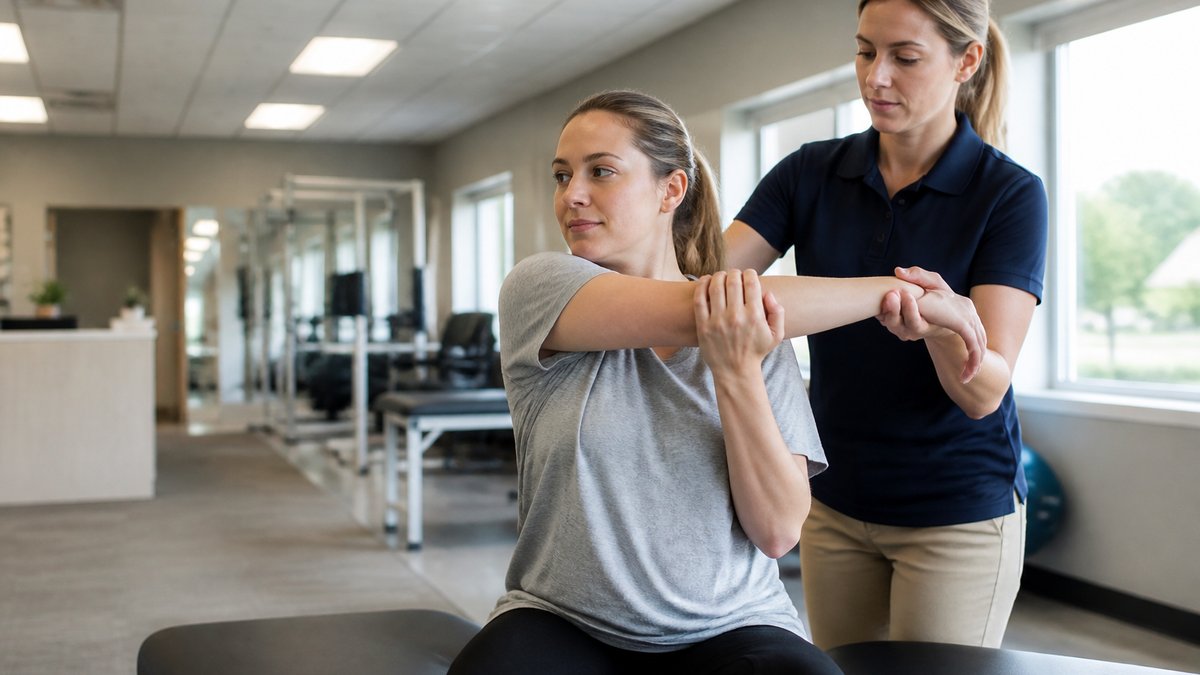
Rehabilitation helps you regain function after an injury, surgery, or illness. Physical therapy is a central part of this process. A physical therapist evaluates how you move, and they design a plan around your specific needs. When you understand each part of therapy, you can take an active role.
Mobility Gains and Flexibility
An injury limits how far a joint moves. Stiffness may develop after surgery, and it will make daily tasks harder. Without physical therapy, restricted range of motion can become a long-term problem. Your therapist helps in two main ways. Here is what to expect:
- Your therapist targets specific structures and applies the technique at a grade matched to your tolerance.
- Some sessions focus on a single joint, while others address connected areas that share the load.
- If a joint stays stiff, nearby muscles may compensate, and that pattern strains other areas.
Muscle Strength and Support
Muscles stabilize and protect your joints. After an injury, the muscles around the affected area often weaken. Weak muscles provide less support, so the injured area may absorb more stress. That added stress can slow healing and affect nearby joints. Physical therapy includes exercises to strengthen the muscles supporting the injured area. Your therapist selects each exercise based on your ability, and they closely monitor your form.
Balance Training and Stability
Balance depends on your muscles, joints, vision, and inner ear working together. Injury or a long recovery can affect this system. When one part of the system is disrupted, others must compensate, but that effort is not always reliable. Physical therapy includes balance training to prevent falls. Your therapist identifies which part of the system causes instability, then builds your program around that finding. Some people need to rebuild muscle coordination, while others retrain how the body responds to sudden position changes. Without guidance, it is easy to use the wrong muscles or fall into a compensating pattern that does not address the root problem. Your therapist closely monitors each exercise, and they adjust it as your form or stability changes.
Assessment and Progression
These assessments identify specific weaknesses, and they give your therapist a clear starting point for your program. Exercises will start on a stable surface, and they may later progress to uneven ones. As your stability improves, your therapist introduces foam padding, inclined surfaces, or dynamic movements that shift your center of gravity. Each progression is deliberate. Your therapist advances you only when your current level is consistent and controlled.
Safety in Daily Life
Safe movement during daily tasks is also part of balance training. You may practice rising from a chair in a controlled sequence. Your therapist will coach your foot placement and weight shift. Your therapist may break the movement into steps and guide you until the pattern becomes automatic. They also teach you the correct technique for each device, including how to manage curbs, doorways, and uneven terrain. Regular reassessment makes sure your assistive device still matches your function, and your therapist may update your equipment as your balance improves.
Book Physical Therapy Today
Physical therapy addresses mobility, strength, and balance during rehabilitation. Each plan is built around your condition and goals. Talk with your doctor about a referral, or contact a licensed physical therapist directly. Bring a list of your symptoms, medications, and questions to your first visit. When you share clear information, your therapist can tailor your plan. Schedule your evaluation to begin your rehabilitation plan.