The Relationship Between Hip Pain and Age-Related Changes
October 21, 2026
How Retina Specialists Diagnose Eye Conditions
October 22, 2026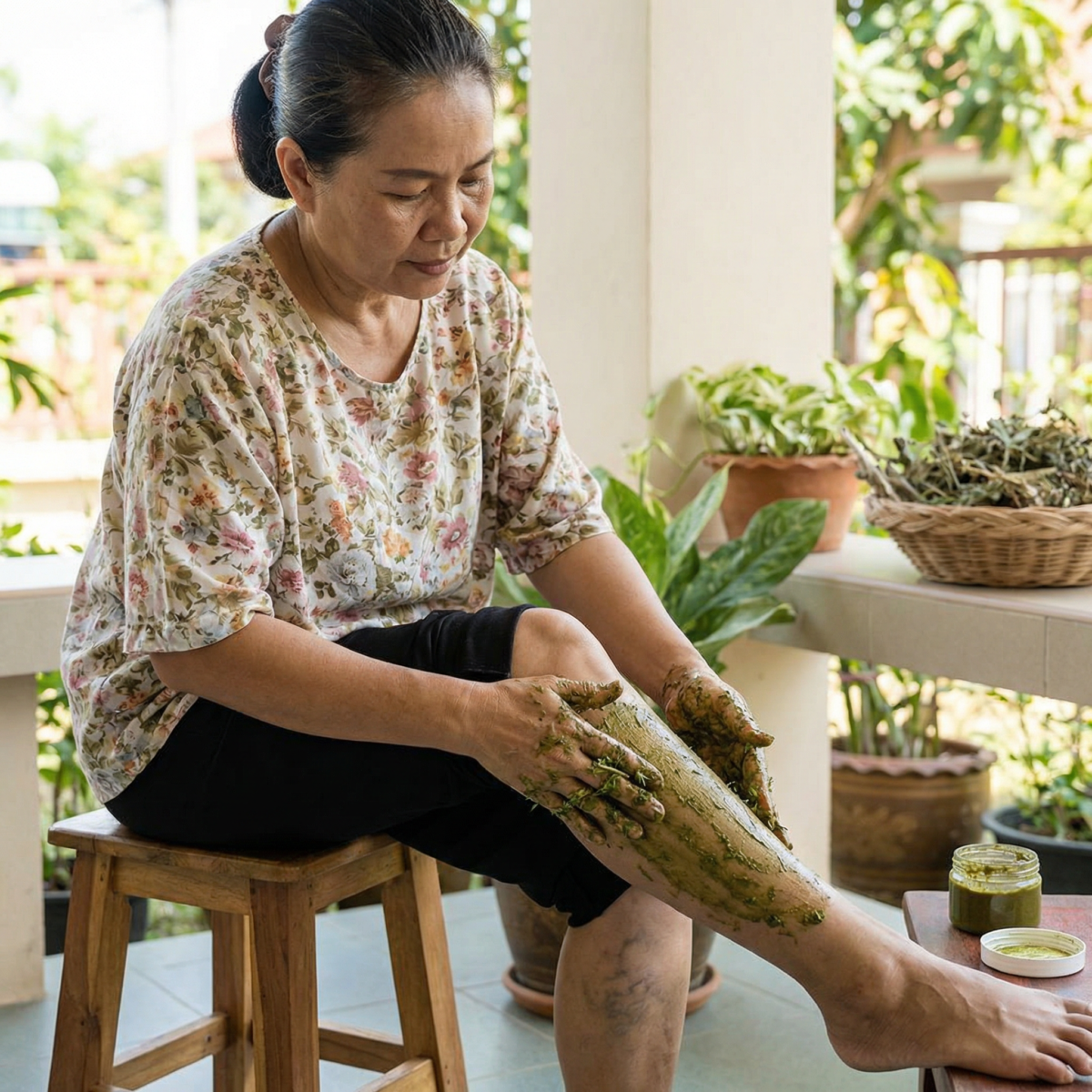
Reviewing vein treatments often leads to questions about available procedures, expected results, and recovery. Understanding how options differ can help you prepare for a consultation and discuss your needs with a specialist. Here are answers to some frequently asked questions about vein treatment:
Which Conditions Can Treatment Address?
Vein treatment primarily addresses varicose veins and spider veins. Varicose veins are enlarged and twisted veins that often bulge above the skin, and they generally appear on the legs and feet. Spider veins are smaller and thinner veins that sit close to the skin’s surface and form red, blue, or purple web-like patterns.
Some providers also evaluate chronic venous insufficiency, a condition in which leg veins struggle to return blood to the heart. Signs include leg swelling, skin discoloration, and a heavy feeling that often worsens after long periods of standing. A provider reviews each case individually, and the specific condition influences the rest of the care plan.
How Is Treatment Chosen?
Providers select a vein treatment based on the size, location, and cause of the affected veins. The process starts with an evaluation, and it typically includes a review of your health history. Your goals also matter, whether you want symptom relief, cosmetic improvement, or both.
Initial Consultation
During the first visit, a provider asks about your symptoms, family history, and daily activities. They examine your legs while you stand to see where blood collects in the veins. Bring a list of any medications you take, and mention any previous vein procedures you have had.
Diagnostic Ultrasound Evaluation
Some providers use an ultrasound to show blood flow inside the veins. This scan shows whether the valves work properly and where blood pools. The results help the provider match you with a suitable option, and they also guide certain procedures once treatment begins.
Which Treatment Options Are Available?
Several vein treatment options are available, and each one targets a specific type or size of vein. These procedures often take place in an outpatient setting, which means you go home the same day. Here are some common approaches specialists may recommend:
- Sclerotherapy: A provider injects a solution into small varicose or spider veins to close and fade them over time.
- Endovenous ablation: A provider inserts a thin tube into a larger vein and uses heat from radiofrequency or laser energy to seal it shut.
- Ambulatory phlebectomy: A provider removes bulging surface veins through tiny skin punctures.
- Compression therapy: Specially fitted stockings apply steady pressure to the legs; providers often recommend them before or after other procedures.
What Happens During Recovery?
Recovery after vein treatment varies by procedure, but some patients return to their usual routines within a few days. Providers often advise walking soon after treatment, as movement supports blood flow in the legs. Patients may be asked to wear compression stockings for a set period, and some notice mild bruising, swelling, or tenderness in the treated area.
Follow-up visits allow the provider to check the treated veins and confirm that they have closed. Changes develop gradually, so treated veins often fade over time. Patients generally avoid heavy lifting, hot baths, and direct sun exposure for a short time, although specific instructions depend on the procedure. Contact your provider promptly if you notice unusual pain, warmth, or swelling.
Explore Vein Treatments Today
Vein treatment covers a range of procedures that address varicose veins, spider veins, and related conditions. A provider selects an option after a consultation and an ultrasound evaluation, and recovery usually involves walking, compression, and follow-up visits. Knowing these steps helps you prepare questions and set realistic expectations. Contact a qualified vein specialist near you to schedule your consultation and explore available vein treatments today.