
The Role of Physical Therapy in Back Pain Recovery
October 21, 2026
Effective Strategies for Managing Migraines
October 21, 2026
Urologists diagnose and treat conditions that affect the urinary tract, including the kidneys, bladder, ureters, and urethra. Female urologists with experience in female pelvic anatomy bring focused expertise to the conditions that most often affect women’s urinary health. Pregnancy, childbirth, menopause, and natural differences in pelvic anatomy can all influence how the bladder functions over time. Learn more about when women should see a female urologist.
Urinary Incontinence
Urinary incontinence is the involuntary loss of urine. It affects approximately 50% of women and can develop at any age, although it becomes more common after childbirth and menopause. Incontinence is a medical condition that can often be managed effectively.
The most common forms of incontinence in women include:
- Stress incontinence: Leakage that occurs with coughing, sneezing, laughing, lifting, or exercise
- Urge incontinence: A sudden, intense need to urinate followed by involuntary leakage
- Mixed incontinence: A combination of stress and urge symptoms
- Overflow incontinence: Frequent dribbling caused by a bladder that does not empty completely
You should see a urologist if leakage interferes with daily activities, exercise, work, or intimacy. A urologist can identify the type and cause of your incontinence and recommend treatment options ranging from pelvic floor therapy and medication to minimally invasive procedures. Results for incontinence may vary based on treatment method types, age, or other medical issues.
Recurring UTIs
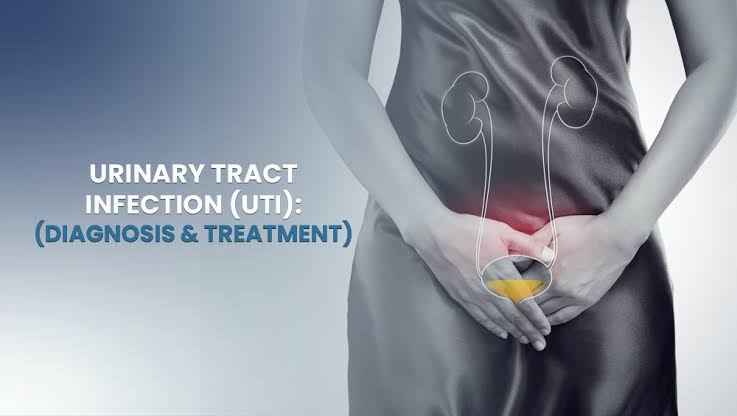
Urinary tract infections (UTIs) occur when bacteria enter the urinary tract and multiply. Women can be more susceptible than men because the female urethra is shorter. This allows bacteria to reach the bladder more easily. Symptoms often include burning during urination, frequent urges to urinate, cloudy or strong-smelling urine, and pelvic discomfort.
Bladder Pain
Bladder pain may indicate interstitial cystitis, also known as bladder pain syndrome. This chronic condition causes discomfort ranging from mild tenderness to severe pain. This pain intensifies as the bladder fills and eases temporarily after urination.
Women with bladder pain may also experience frequent urination or pain during intercourse. Symptoms of bladder pain may worsen during menstruation. A female urologist can rule out other conditions and create a treatment plan that may include dietary changes, physical therapy, medication, or bladder instillations.
Overactive Bladder
Overactive bladder causes a sudden, frequent urge to urinate that is difficult to control. Women with this condition may need to urinate several times per day, wake several times during the night to use the restroom, or experience urge incontinence.
If urinary urgency or frequency affects your routine, sleep, or emotional well-being, it is time to seek help. A female urologist can evaluate your symptoms and recommend treatments such as bladder training, pelvic floor exercises, medication, and other treatments.
Visit a Female Urologist
Seeing a female urologist allows you to share your concerns in a comfortable, supportive setting with a physician who understands the unique aspects of women’s pelvic health. Early evaluation can prevent symptoms from progressing and help you return to the activities you value. If you are experiencing incontinence, recurring infections, bladder pain, or urinary urgency, schedule a consultation with a female urologist to explore your treatment options.