Understanding the Role of Asthma Inhalers
October 5, 2026
The Role of Orthopedic Surgery in Treating Injuries
October 6, 2026
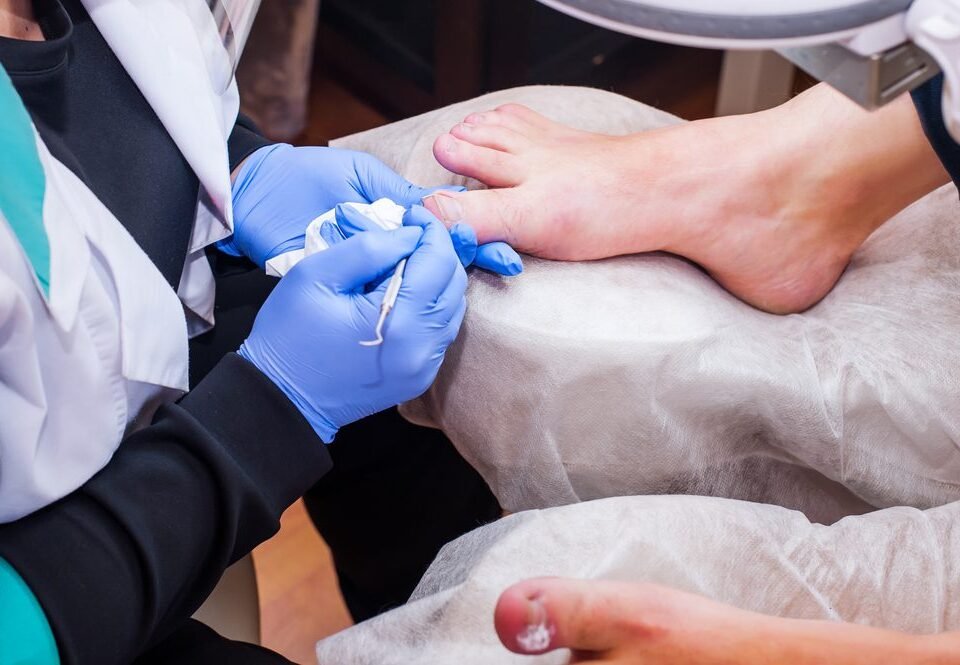
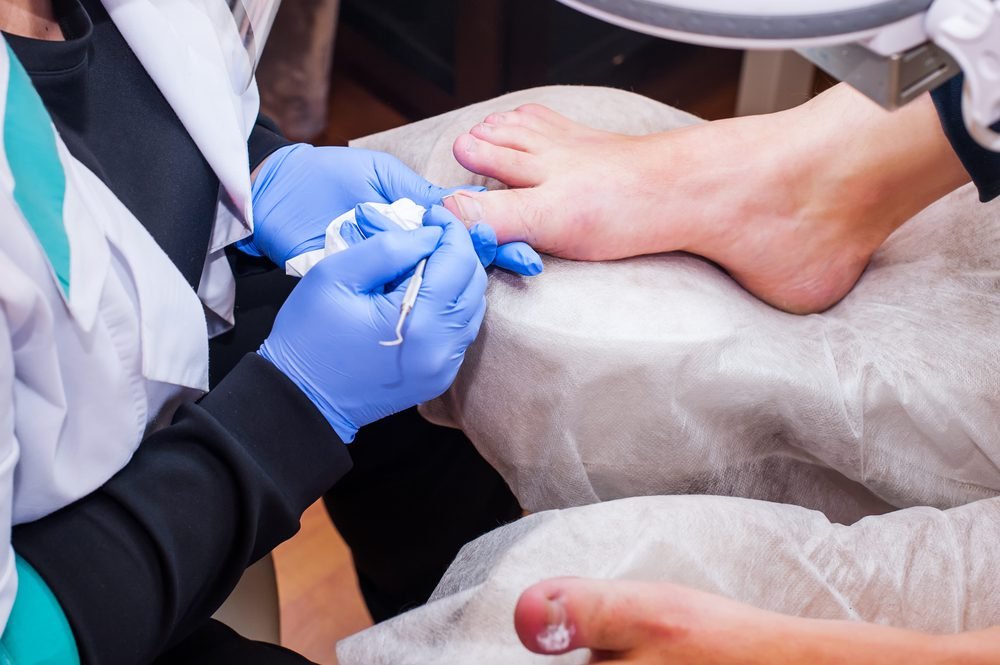
An ingrown toenail develops when the edge of a nail grows into the surrounding skin rather than over it. The big toe is the most common site, but any toe may be affected. Podiatrists use a wide range of tools and techniques to treat this condition, from splints to nail removal. Here’s information about ingrown toenails and how to treat them:
Understanding Ingrown Toenails
Each toenail grows from a base structure called the matrix. When the nail edge curves downward or grows at an angle, it presses into the nail fold, which is the strip of skin that borders the nail. That pressure may cause redness, swelling, or tenderness along the toe’s edge, and symptoms sometimes worsen without attention.
Several factors are associated with ingrown toenails, including:
- Trimming nails too short or rounding the corners
- Wearing shoes that crowd the toes
- Having naturally curved or thick nails
- Injuring the toe, such as by stubbing it
- Inheriting a particular nail shape
Some people experience a single episode, while others may see the issue return repeatedly. A podiatrist reviews these patterns when discussing approaches with you, and that history plays a key role in shaping the right plan.
Exploring Treatment Methods
Traditional care for ingrown toenails includes soaking the nail in warm water and trimming carefully. Professionals can combine these methods with more targeted techniques; this includes bracing and splinting. The right approach depends on your nail shape, history, and overall health. Nail bracing uses a thin strip of composite material or a small wire attached to the nail surface. The brace applies gentle tension designed to lift the nail edges and gradually reshape the nail as it grows. Splinting works similarly; a small barrier, such as a thin plastic tube or cotton, sits between the nail edge and the skin. Both methods leave the nail intact and may involve periodic adjustments over several months. This makes them a practical option for mild to moderate cases.
A chemical matrixectomy targets the section of the matrix that produces the problematic nail edge. After numbing the toe, the podiatrist removes the ingrown portion of the nail and applies a chemical agent, such as phenol, to that area. The goal is to stop that narrow strip of nail from regrowing. Practitioners may discuss this method with patients whose ingrown toenails return with regularity, since it addresses the source of the recurring growth. Full nail removal is another method. This option is sometimes ideal for patients with diabetes; it can help reduce the risk of complications such as infection.
Recognizing When To Seek Help
Mild cases sometimes respond to careful home care, but certain signs call for a professional evaluation. Schedule a visit if you notice drainage, spreading redness, or warmth around the toe. Recurring ingrown nails warrant close attention; a podiatrist will review your history to discuss longer-term solutions. People with diabetes, circulation issues, or reduced sensation in their feet should contact a professional at the first sign of an ingrown nail rather than attempt home treatment. Avoid digging out the nail edge yourself, as doing so may introduce bacteria to the area.
Consult an Experienced Podiatrist
Ingrown toenails develop when a nail edge grows into the surrounding skin, but today’s podiatrists have a wide range of tools to address them effectively. Proper trimming, nail bracing, and chemical treatments or nail removal each take a different approach based on individual needs. If you notice an ingrown toenail or the problem keeps coming back, contact a local podiatrist to schedule an evaluation and identify which method fits your situation.