

How Spinal Cord Stimulation Can Help Alleviate Chronic Pain
August 12, 2026
How Weight Loss and Mental Health are Connected
August 19, 2026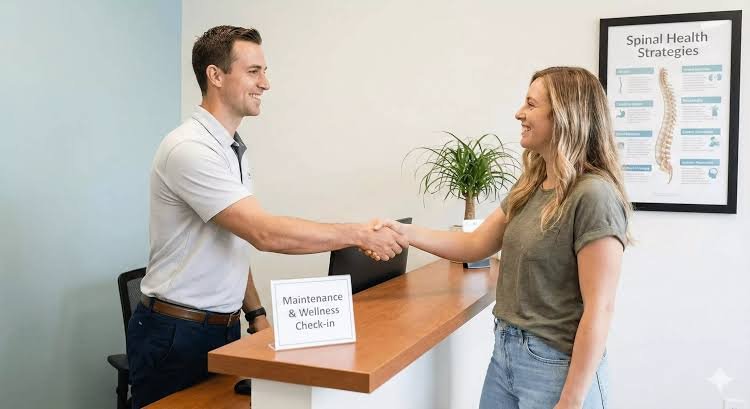
Back and neck problems affect people of all ages and backgrounds. Whether the discomfort comes on gradually or follows a sudden injury, spine-related issues may interfere with work, movement, and daily routines. Visiting a private spine surgeon no referral gives you direct access to focused expertise, and care can be received within a shorter time frame than seeking a referral.
What Conditions Do They Treat?
A spine surgeon focuses on the bones, discs, nerves, and supporting structures that make up the back and neck. These specialists assess a wide range of concerns, from mild discomfort to complex structural problems. Common conditions a spine surgeon may evaluate vary, and these include:
- Herniated discs, where the soft cushion between vertebrae presses on nearby nerves and causes pain or numbness.
- Chronic sciatica, a type of nerve pain that travels from the lower back down through the legs.
- Spinal stenosis, a narrowing of the spaces within the spine that can place pressure on nerves.
- Curvature issues, which affect the alignment of the spine.
- Degenerative disc disease, linked to the natural wear of spinal discs over time.
A spine surgeon reviews symptoms, examines physical function, and may use imaging to understand the source of the problem. This process helps guide the direction of care, whether that involves monitoring, non-surgical management, or surgery.
What Procedures Do They Offer?
Spine surgeons provide many services, spanning both non-surgical and surgical options. Surgery may be the first response to diagnosis, but specialists often begin with conservative approaches when suitable. Treatment options can include:
- Guidance on physical therapy and targeted exercises
- Discectomy, the removal of part of a damaged disc to relieve pressure on a nerve.
- Spinal fusion, which joins two or more vertebrae to add stability.
- Laminectomy, the removal of a small portion of bone to widen space around the nerves.
- Disc replacement, where a damaged disc is replaced with an artificial one.
The choice of procedure depends on the diagnosis, the patient’s overall health, and the goals of treatment.
What Are the Benefits?
Direct access to a private spine surgeon no referral offers several practical advantages. Skipping the standard referral step can reduce overall waiting time, specifically between noticing symptoms and receiving a specialist assessment. This allows you to begin the diagnostic process sooner, and you may gain an understanding of your condition more swiftly.
Consulting a spine specialist directly also means you are speaking with a professional, and their expertise is focused specifically on spine-related concerns. This focused knowledge, combined with the ability to oversee your assessment, treatment planning, and follow-up, supports a more consistent and coordinated approach to your care. Private appointments may also offer greater flexibility. A range of scheduling options can be arranged around personal and professional commitments. For those experiencing persistent pain or reduced mobility, timely access to a specialist may make the process of finding answers more straightforward.
Consult a Private Spine Surgeon No Referral
Spine health influences movement, comfort, and quality of daily life; seeking guidance from a specialist without a referral removes one barrier between you and expert assessment. Early evaluation can help clarify the cause of your symptoms and facilitate proper treatment. If back or neck discomfort has begun to affect how you move or feel each day, direct access to a private spine surgeon offers a practical way forward.