Treatment for Dry Eye Syndrome Naturally: Safe and Effective Ways to Relieve Dry Eyes
July 17, 2026
Best Treatment for Seasonal Allergies Naturally: Safe and Effective Ways to Find Relief
July 17, 2026
Pollen allergies, also known as seasonal allergies or hay fever, affect millions of people every year. When trees, grasses, and weeds release pollen into the air, your immune system may mistake it for a harmful substance. This causes symptoms such as sneezing, a runny nose, itchy eyes, and nasal congestion.
If you’re wondering how to stop pollen allergies fast, the good news is that there are several simple steps you can take to reduce symptoms quickly. While there is no instant cure for pollen allergies, combining natural remedies, smart daily habits, and appropriate medications (when needed) can provide fast relief and help you enjoy your day.
This guide explains what pollen allergies are, why they happen, the fastest ways to relieve symptoms, natural home remedies, prevention tips, and when to seek medical advice.
What Are Pollen Allergies?
Pollen allergies occur when your immune system overreacts to tiny pollen grains released by plants. Instead of ignoring these harmless particles, your body releases histamine, a chemical that causes allergy symptoms.
The most common sources of pollen include:
- Tree pollen (spring)
- Grass pollen (late spring and summer)
- Weed pollen, including ragweed (late summer and fall)
People who are allergic may experience symptoms every year during pollen season.
Common Symptoms of Pollen Allergies
Symptoms can appear within minutes of exposure and may include:
- Frequent sneezing
- Stuffy or runny nose
- Itchy nose
- Watery, red, or itchy eyes
- Scratchy throat
- Postnasal drip
- Sinus pressure
- Mild headache
- Cough caused by throat irritation
- Fatigue
Symptoms often become worse on windy, dry days when pollen counts are high.
How to Stop Pollen Allergies Fast
Although allergies cannot be cured instantly, these methods can help relieve symptoms quickly.
1. Wash Pollen Off Your Body
After spending time outdoors, pollen sticks to your hair, skin, and clothing.
For quick relief:
- Take a shower.
- Wash your face.
- Rinse your hair.
- Change into clean clothes.
This simple habit removes pollen before it continues to irritate your body.
2. Rinse Your Nose with Saline
A saline nasal rinse is one of the fastest natural ways to clear pollen from your nasal passages.
Benefits include:
- Removes trapped pollen
- Reduces congestion
- Helps you breathe easier
- Moisturizes irritated nasal tissues
Always use sterile, distilled, or previously boiled and cooled water for nasal rinses.
3. Stay Indoors During High Pollen Hours
Pollen levels are usually highest:
- Early morning
- Dry, windy afternoons
If possible:
- Keep windows closed.
- Use air conditioning.
- Limit outdoor activities during peak pollen times.
Reducing exposure is one of the quickest ways to prevent symptoms from worsening.
4. Drink Plenty of Water
Hydration helps thin mucus and keeps your nose and throat moist.
Try to drink:
- Water
- Warm herbal tea
- Clear soups
- Lemon water
Avoid excessive sugary drinks, which offer little benefit.
5. Use a Cold Compress for Itchy Eyes
Pollen often causes swollen, itchy eyes.
Place a cool, clean cloth over your closed eyes for 10–15 minutes to help reduce:
- Redness
- Swelling
- Itching
- Watery eyes
6. Wear Sunglasses Outdoors
Large sunglasses act as a barrier that helps keep pollen away from your eyes.
This can reduce irritation, especially on windy days.
7. Keep Indoor Air Clean
To reduce pollen inside your home:
- Keep windows closed.
- Clean floors regularly.
- Vacuum with a HEPA filter if available.
- Replace air filters as recommended.
Cleaner indoor air can significantly reduce ongoing allergy symptoms.
8. Monitor Daily Pollen Counts
Checking your local pollen forecast can help you plan outdoor activities.
On high-pollen days:
- Stay indoors when possible.
- Exercise inside.
- Wear a mask if you must be outdoors.
9. Eat Anti-Inflammatory Foods
Certain foods may help support your immune system and reduce inflammation.
Include:
- Berries
- Citrus fruits
- Leafy greens
- Tomatoes
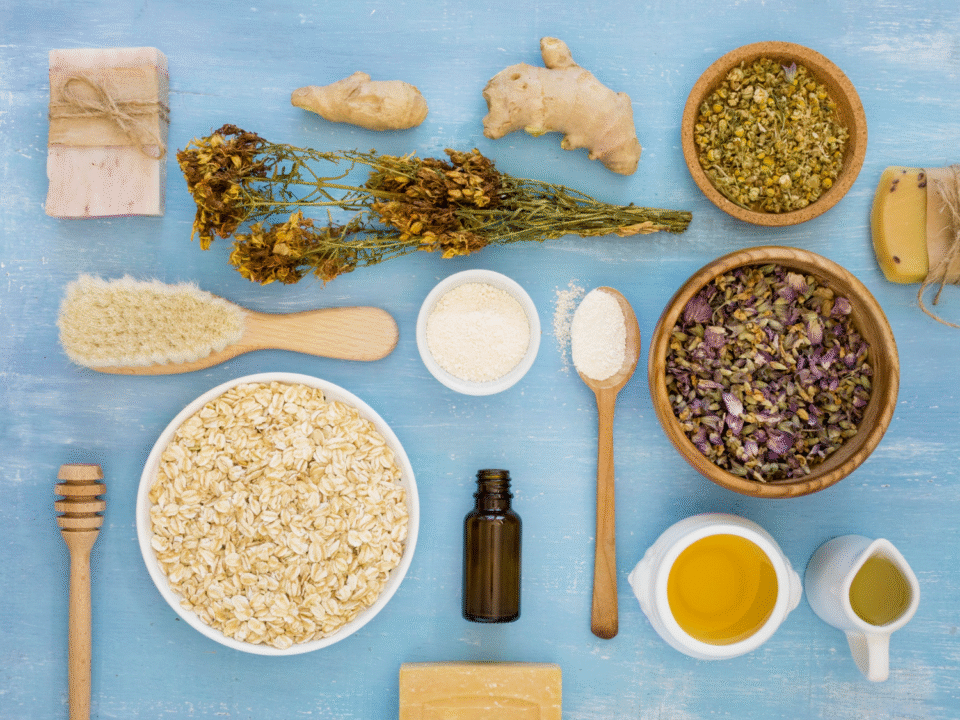
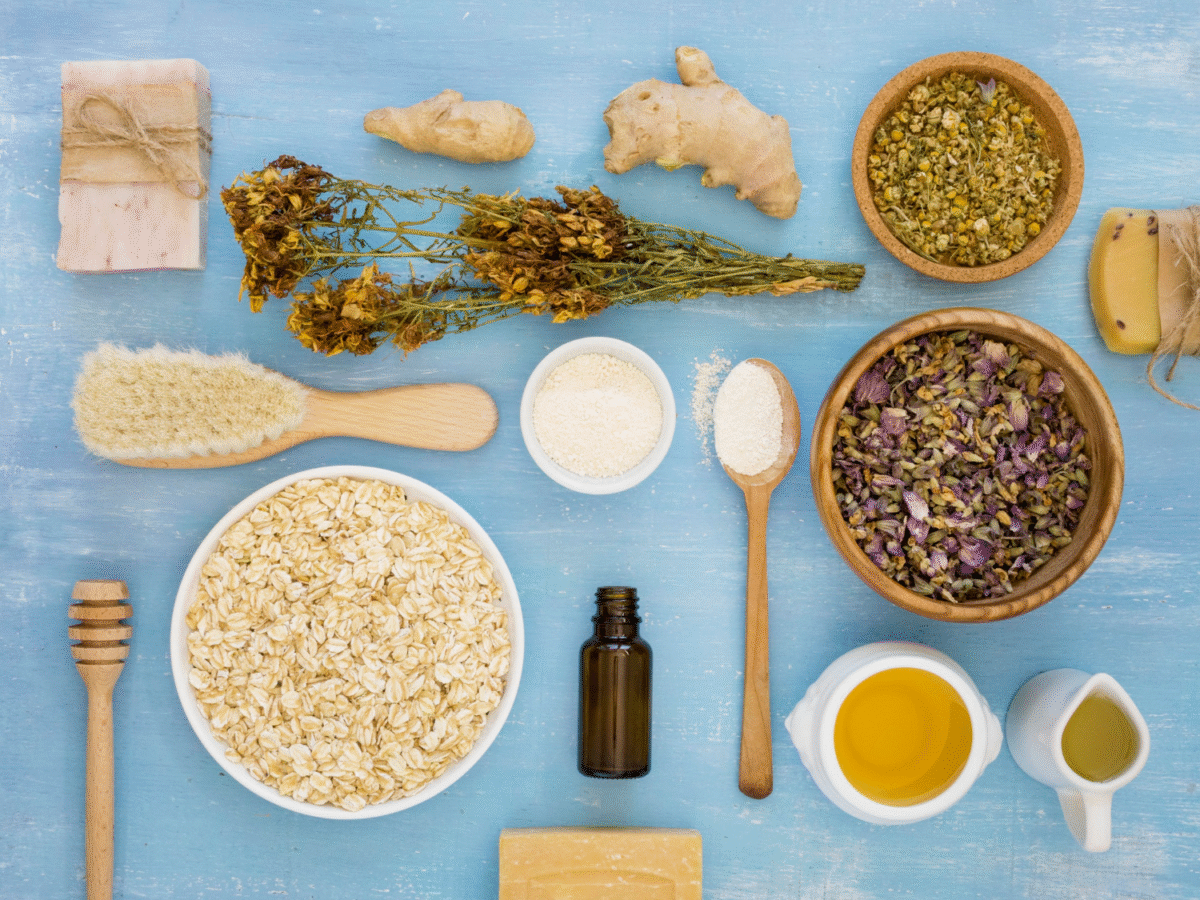
- Ginger
- Turmeric
- Garlic
- Salmon
- Walnuts
While these foods won’t stop allergies immediately, they may help your body respond better over time.
10. Consider Over-the-Counter Allergy Medicine
If natural methods are not enough, many people find fast relief with over-the-counter antihistamines or steroid nasal sprays. These medications can reduce sneezing, itching, and congestion, but it’s best to use them as directed and speak with a healthcare professional if you’re unsure which option is right for you.
Natural Remedies That May Help
Many people prefer natural approaches to managing pollen allergies.
Some commonly used options include:
Steam Inhalation
Warm steam may temporarily ease nasal congestion and sinus pressure.
Honey
Some people believe local honey may help with seasonal allergies, but research has not consistently shown that it is effective.
Ginger Tea
Ginger contains natural anti-inflammatory compounds that may soothe an irritated throat.
Vitamin C
Foods rich in Vitamin C include:
- Oranges
- Kiwi
- Strawberries
- Bell peppers
- Broccoli
Vitamin C acts as an antioxidant and supports normal immune function.
Probiotic Foods
A healthy gut may influence immune responses.
Foods include:
- Yogurt
- Kefir
- Kimchi
- Sauerkraut
Research is ongoing, but some studies suggest probiotics may benefit certain people with allergies.
Foods That May Help During Allergy Season
Healthy foods can support your body during pollen season.
Good choices include:
- Apples
- Blueberries
- Spinach
- Kale
- Citrus fruits
- Almonds
- Pumpkin seeds
- Oily fish
- Green tea
- Avocados
A balanced diet provides vitamins, minerals, and antioxidants that help maintain overall health.
Daily Habits to Reduce Pollen Exposure
Simple routines can make a noticeable difference.
- Wash your hands after being outside.
- Keep pets clean if they go outdoors.
- Dry clothes indoors instead of on an outdoor clothesline.
- Wash bedding every week.
- Clean air vents regularly.
- Remove shoes before entering your home.
These habits reduce the amount of pollen that enters your living space.
What Makes Pollen Allergies Worse?
Several factors can increase symptoms, including:
- High pollen counts
- Windy weather
- Air pollution
- Cigarette smoke
- Dust
- Mold
- Poor indoor air quality
Avoiding these triggers whenever possible can help keep symptoms under control.
When Should You See a Doctor?
Most seasonal allergies can be managed at home, but seek medical advice if you have:
- Trouble breathing
- Wheezing
- Severe swelling
- Symptoms lasting for several weeks
- Frequent sinus infections
- Fever
- Symptoms that do not improve with self-care or medication
A healthcare provider can recommend treatments or evaluate whether another condition is causing your symptoms.
Can Pollen Allergies Be Prevented?
Although pollen allergies cannot always be prevented, you can reduce flare-ups by:
- Watching pollen forecasts.
- Keeping windows closed during peak seasons.
- Showering after outdoor activities.
- Wearing sunglasses and a hat outside.
- Cleaning your home regularly.
- Using air conditioning when possible.
- Following a healthy lifestyle.
Combining these strategies can significantly reduce your exposure to pollen and help you feel better.
Final Thoughts
If you’re searching for how to stop pollen allergies fast, the most effective approach is to remove pollen from your body, rinse your nasal passages with saline, stay indoors during high-pollen periods, stay hydrated, and reduce indoor pollen exposure. These steps often provide noticeable relief and are easy to include in your daily routine.
Natural remedies can be helpful, but they work best alongside practical prevention measures. If your symptoms are severe, persistent, or interfere with your daily life, consult a healthcare professional for personalized advice and treatment options.
Frequently Asked Questions (FAQs)
1. What is the fastest way to relieve pollen allergy symptoms?
The fastest steps include showering after outdoor exposure, changing clothes, using a saline nasal rinse, staying indoors during high-pollen times, and using appropriate over-the-counter allergy medicine if needed.
2. Can pollen allergies go away on their own?
Symptoms often improve when pollen levels decrease or the allergy season ends. However, allergies may return during future pollen seasons.
3. Does drinking more water help with pollen allergies?
Yes. Staying hydrated can thin mucus, keep nasal passages moist, and help reduce discomfort caused by congestion.
4. Are natural remedies enough to treat pollen allergies?
Natural remedies may relieve mild symptoms, but some people need medications or other treatments for better control. The best approach depends on the severity of the allergy.
5. How can I prevent pollen from entering my home?
Keep windows closed, use air conditioning when possible, remove shoes at the door, shower after spending time outside, wash bedding regularly, and clean floors with a vacuum that has a HEPA filter if available.
SEO Title: How to Stop Pollen Allergies Fast | Quick Relief Tips & Natural Remedies
Meta Description: Learn how to stop pollen allergies fast with natural remedies, quick relief tips, prevention strategies, healthy foods, and expert advice to reduce sneezing, itchy eyes, and congestion.