
How to Prevent Tooth Decay: Daily Oral Care Tips
July 17, 2026
Warning Signs of Heart Disease You Should Know
July 17, 2026
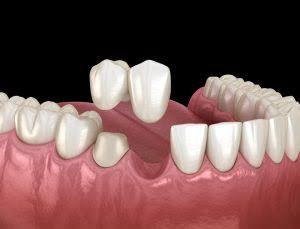
Missing teeth can affect much more than your smile. They can make it difficult to eat, speak clearly, and feel confident in social situations. Fortunately, modern dentistry offers several effective tooth replacement options, with dental implants and dentures being the two most common choices.
While both treatments restore the appearance and function of missing teeth, they differ in terms of comfort, durability, cost, maintenance, and long-term benefits. Understanding these differences can help you make an informed decision based on your oral health needs and lifestyle.
This guide compares dental implants and dentures, explaining their advantages, disadvantages, costs, and who may benefit most from each option.
What Are Dental Implants?
Dental implants are artificial tooth roots made from titanium or other biocompatible materials. They are surgically placed into the jawbone, where they fuse with the bone through a process called osseointegration.
Once the implant heals, a custom-made dental crown, bridge, or denture is attached to restore the missing tooth or teeth.
Benefits of Dental Implants
- Look and feel like natural teeth
- Provide excellent chewing ability
- Prevent bone loss in the jaw
- Long-lasting solution
- Do not slip while eating or speaking
- Help preserve facial structure
- Easy to clean with regular brushing and flossing
What Are Dentures?
Dentures are removable appliances designed to replace missing teeth and surrounding tissue. They are custom-made to fit comfortably over the gums.
There are two main types:
Full Dentures
Used when all teeth in the upper or lower jaw are missing.
Partial Dentures
Recommended when some natural teeth remain to support the denture.
Modern dentures are lightweight, natural-looking, and more comfortable than older designs.
Benefits of Dentures
- Lower initial cost
- Non-surgical treatment
- Faster treatment process
- Restore appearance and speech
- Suitable for people with significant tooth loss
- Easy to replace if damaged
Dental Implants vs. Dentures: Key Differences
| Feature | Dental Implants | Dentures |
|---|---|---|
| Stability | Fixed in the jawbone | Removable |
| Appearance | Very natural | Natural-looking but removable |
| Comfort | Feels like natural teeth | May require adjustment |
| Chewing Ability | Excellent | Good, but less stable |
| Bone Preservation | Prevents bone loss | Does not prevent bone loss |
| Lifespan | 20+ years or longer with proper care | Usually 5–10 years before replacement |
| Maintenance | Brush and floss like natural teeth | Daily cleaning and soaking required |
| Procedure | Surgical | Non-surgical |
| Cost | Higher upfront investment | Lower initial cost |
Advantages of Dental Implants
Dental implants have become one of the most popular long-term solutions for tooth replacement.
Natural Appearance
Implants closely resemble natural teeth in both appearance and function.
Long-Term Durability
With proper care, implants can last decades, making them a worthwhile investment.
Better Oral Health
Unlike bridges, implants do not require neighboring teeth to be altered.
Improved Confidence
Because implants remain securely in place, patients can eat, laugh, and speak without worrying about movement.
Advantages of Dentures
Dentures continue to be an effective solution for many patients.
Affordable Option
Dentures generally cost less than implants, making them accessible for many individuals.
Quick Treatment
Most dentures can be completed within a few weeks.
Suitable for Extensive Tooth Loss
Patients missing many or all teeth often benefit from full dentures.
Potential Disadvantages of Dental Implants
While implants offer many benefits, they may not be suitable for everyone.
Possible drawbacks include:
- Higher initial cost
- Minor surgical procedure required
- Longer healing time
- Adequate jawbone density needed
Your dentist will determine whether implants are appropriate based on your oral health.
Potential Disadvantages of Dentures
Dentures may present certain challenges.
These can include:
- Possible slipping while eating or speaking
- Regular adjustments over time
- Bone shrinkage beneath the denture
- Daily removal and cleaning
Proper fitting and routine dental visits help improve comfort.
Who Is a Good Candidate for Dental Implants?
You may be a suitable candidate if you:
- Have healthy gums
- Have sufficient jawbone
- Practice good oral hygiene
- Are generally healthy
- Do not smoke or are willing to quit
Your dentist may recommend bone grafting if bone loss has occurred.
Who Should Consider Dentures?
Dentures may be recommended for people who:
- Have multiple missing teeth
- Prefer a non-surgical option
- Have significant bone loss
- Need a more affordable solution
- Are not suitable candidates for implant surgery
Caring for Dental Implants
Maintain implants by:
- Brushing twice daily
- Flossing every day
- Using antimicrobial mouthwash if recommended
- Visiting your dentist regularly
- Avoiding tobacco products
Proper care helps maximize implant longevity.
Caring for Dentures
To keep dentures in good condition:
- Clean them daily
- Remove them before sleeping unless instructed otherwise
- Soak them overnight in a denture solution
- Handle them carefully to prevent breakage
- Attend regular dental checkups
Good denture care supports oral health and comfort.
Cost Considerations
The total cost depends on several factors, including:
- Number of missing teeth
- Type of restoration
- Materials used
- Additional procedures
- Geographic location
Although dental implants have a higher upfront cost, many patients find them more cost-effective over the long term due to their durability.
When Should You Consult a Dentist?
Schedule a dental consultation if you:
- Have one or more missing teeth
- Experience difficulty chewing
- Feel embarrassed about your smile
- Have loose dentures
- Want a permanent tooth replacement option
A professional evaluation will help determine the most appropriate treatment.
Frequently Asked Questions
Are dental implants painful?
The implant procedure is performed under local anesthesia, and most patients report only mild discomfort during recovery.
How long do dental implants last?
With proper care and regular dental checkups, implants can last 20 years or longer.
Can dentures look natural?
Yes. Modern dentures are designed to closely resemble natural teeth and gums.
Which option is more affordable?
Dentures generally have a lower initial cost, while dental implants may provide better long-term value because of their durability.
Conclusion
Both dental implants and dentures are effective solutions for replacing missing teeth and restoring your smile. Dental implants offer superior stability, durability, and a natural feel, making them an excellent long-term investment for many patients. Dentures, on the other hand, provide a more affordable, non-surgical option that can successfully restore function and appearance. The best choice depends on your oral health, budget, lifestyle, and personal preferences. Consulting with an experienced dentist will help you choose the treatment that best supports your long-term dental health and confidence.