
NBC News – Stay Updated Daily!
July 6, 2026
Common Urinary Tract Infections (UTIs): Causes, Symptoms & Treatment
July 17, 2026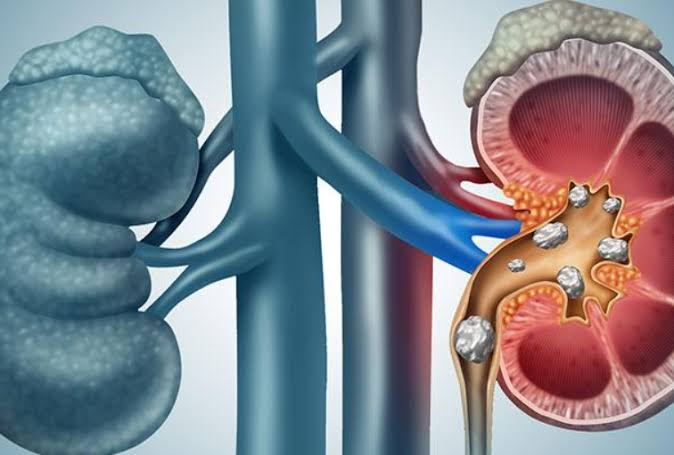
Kidney stones are one of the most common urological conditions affecting people of all ages. These hard mineral deposits form inside the kidneys and can range from the size of a grain of sand to a much larger stone. While some kidney stones pass naturally without causing serious problems, others can lead to severe pain, urinary complications, and even kidney damage if left untreated.
Recognizing the early signs of kidney stones is essential for receiving timely medical care and preventing complications. This guide explains the most common symptoms, causes, risk factors, treatment options, and practical prevention tips to help you maintain healthy kidneys.
What Are Kidney Stones?
Kidney stones are solid masses made from minerals and salts that develop in the kidneys. They form when urine contains high levels of certain substances, such as calcium, oxalate, or uric acid, and not enough fluid to dilute them.
There are several types of kidney stones, including:
- Calcium stones
- Uric acid stones
- Struvite stones
- Cystine stones
Each type may require a different treatment approach, making proper diagnosis important.
1. Severe Pain in the Back or Side
One of the earliest and most recognizable symptoms is sudden pain in the side, back, or below the ribs. The pain often starts without warning and may become extremely intense.
As the stone moves through the urinary tract, the pain can shift toward the lower abdomen or groin.
2. Pain During Urination
A kidney stone entering the ureter or approaching the bladder can cause sharp pain while urinating. Many people mistake this symptom for a urinary tract infection.
If pain during urination is accompanied by other symptoms such as blood in the urine or severe flank pain, medical evaluation is recommended.
3. Blood in the Urine
Blood in the urine is another common warning sign. The urine may appear:
- Pink
- Red
- Brown
Sometimes the blood is microscopic and only detected during laboratory testing.
4. Frequent Urge to Urinate
People with kidney stones often feel the need to urinate more frequently than usual. This occurs when the stone irritates the urinary tract or reaches the lower portion of the ureter.
Frequent urination without increased fluid intake should not be ignored.
5. Cloudy or Foul-Smelling Urine
Healthy urine is generally clear and has only a mild odor. Kidney stones may contribute to cloudy urine or an unpleasant smell, especially if an infection develops alongside the stone.
6. Nausea and Vomiting
The kidneys and digestive system share nerve connections. As a result, severe kidney stone pain often causes nausea or vomiting.
Persistent vomiting should always be evaluated by a healthcare provider because dehydration can worsen kidney stone symptoms.
7. Difficulty Passing Urine
Some kidney stones partially or completely block the flow of urine. This may lead to:
- Weak urine stream
- Difficulty urinating
- Reduced urine output
- Painful bladder pressure
A complete blockage requires immediate medical attention.
8. Fever and Chills
Fever is not caused by the stone itself but usually indicates an infection. A kidney stone combined with a urinary infection can become a medical emergency.
Seek urgent care immediately if you experience:
- High fever
- Chills
- Severe pain
- Difficulty urinating
9. Pain That Comes and Goes
Kidney stone pain often occurs in waves. As the stone moves, muscles in the urinary tract contract, creating periods of intense pain followed by temporary relief.
This fluctuating pattern is a classic symptom.
10. Persistent Lower Abdominal Pain
Some people experience continuous discomfort in the lower abdomen or groin, especially when the stone is near the bladder.
Ignoring persistent pain may allow the stone to grow larger or cause additional complications.
Common Causes of Kidney Stones
Several factors increase the risk of developing kidney stones:
- Drinking too little water
- High-sodium diet
- Excessive animal protein intake
- Obesity
- Family history
- Diabetes
- Recurrent urinary tract infections
- Certain medications
Risk Factors
You may have a higher chance of developing kidney stones if you:
- Are between 20 and 60 years old
- Have previously had kidney stones
- Consume sugary beverages frequently
- Eat excessive processed foods
- Live in hot climates
- Have digestive disorders
How Kidney Stones Are Diagnosed
Doctors may recommend:
- Physical examination
- Urine analysis
- Blood tests
- CT scan
- Ultrasound
- X-rays
Accurate diagnosis helps determine the size, location, and type of stone.
Treatment Options
Treatment depends on the size and location of the stone.
Small Kidney Stones
Most small stones pass naturally with:
- Increased water intake
- Pain-relieving medication
- Prescription medications that relax the ureter
Large Kidney Stones
Larger stones may require:
- Shock Wave Lithotripsy (SWL)
- Ureteroscopy
- Percutaneous nephrolithotomy
- Surgical removal
Your urologist will recommend the most appropriate treatment based on your condition.
Prevention Tips
Reducing your risk of kidney stones includes healthy lifestyle habits.
Stay Hydrated
Drink enough water to produce clear or light-yellow urine throughout the day.
Limit Salt Intake
High sodium increases calcium in urine, raising the risk of stone formation.
Eat a Balanced Diet
Include:
- Fresh fruits
- Vegetables
- Whole grains
- Moderate calcium intake
Avoid excessive processed foods.
Maintain a Healthy Weight
Obesity increases the likelihood of developing kidney stones.
Follow Medical Advice
If you have recurring stones, your doctor may recommend dietary changes or medications to prevent future episodes.
When Should You See a Doctor?
Seek medical attention immediately if you experience:
- Severe, unbearable pain
- Blood in the urine
- Fever or chills
- Persistent vomiting
- Difficulty urinating
- Pain lasting more than a few hours
Early treatment can prevent serious kidney complications.
Frequently Asked Questions
Can kidney stones go away on their own?
Yes. Many small kidney stones pass naturally with adequate hydration and medical guidance.
How much water should I drink?
Most adults should drink enough fluids to produce approximately 2–2.5 liters of urine daily, unless advised otherwise by their healthcare provider.
Are kidney stones preventable?
Many kidney stones can be prevented through proper hydration, a balanced diet, reduced sodium intake, and regular medical checkups.
Can kidney stones come back?
Yes. Individuals who have had one kidney stone are at a higher risk of developing another, making preventive care especially important.
Conclusion
Kidney stones are painful but highly treatable when identified early. Symptoms such as severe back pain, blood in the urine, painful urination, nausea, or frequent urination should never be ignored. Seeking prompt medical attention allows for faster treatment, reduces complications, and protects long-term kidney health. Staying hydrated, maintaining a healthy diet, and following your doctor’s recommendations are the best ways to reduce your risk and keep your urinary system functioning properly.