
Best Framework for Web Development 2026!
June 9, 2026
Modern JavaScript Framework – A Complete Guide for Beginners!
June 12, 2026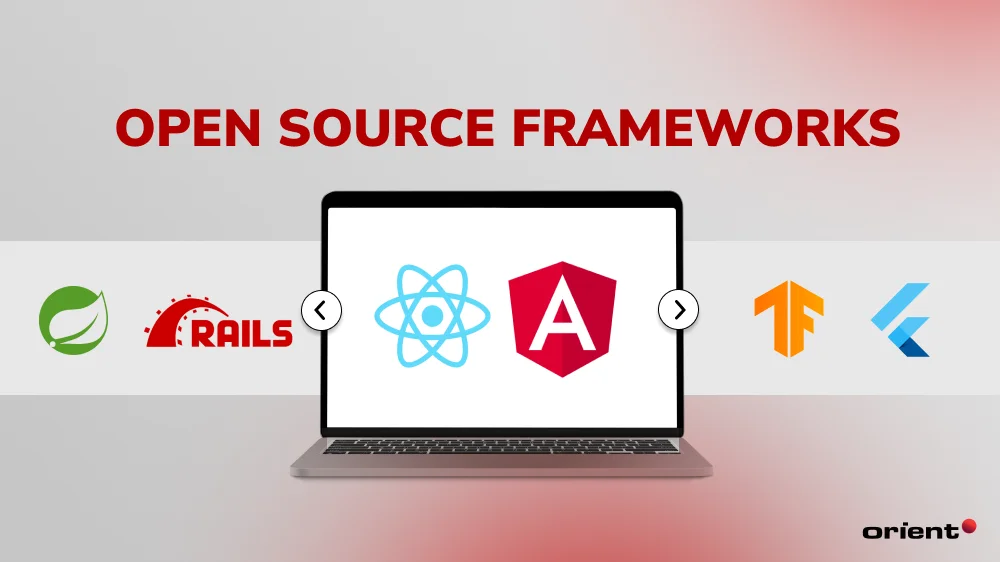
Web development has become one of the most important parts of the digital world. Businesses, organizations, and individuals rely on websites and web applications to reach users and provide services. To make development faster and more efficient, many developers use an Open Source Web Framework.
An open source web framework provides a structured foundation for building websites and web applications. Because the source code is publicly available, developers can use, modify, and improve the framework according to their needs.
What Is an Open Source Web Framework?
An Open Source Web Framework is a software framework whose source code is freely available to developers. Anyone can download, use, modify, and contribute to the framework.
These frameworks provide pre-built tools, libraries, and components that simplify the development process. Instead of creating every feature from scratch, developers can use the framework’s built-in functionality to save time and effort.
Open source frameworks are commonly used for building websites, web applications, APIs, and enterprise software solutions.
Why Open Source Frameworks Are Popular?
Many developers prefer open source frameworks because they offer flexibility and cost savings.
Unlike proprietary software, open source frameworks are usually free to use. This allows businesses and developers to reduce development costs while still accessing powerful tools.
Another major advantage is the large community support that often surrounds open source projects. Developers from around the world contribute improvements, updates, and security enhancements.
Key Features of an Open Source Web Framework
Reusable Components
Frameworks include reusable code components that reduce development time.Developers can use pre-built modules instead of writing everything from scratch.
Security Features
Security features may include:
- Authentication systems
- Data validation
- Access control
- Protection against common attacks
These tools help create safer web applications.
Scalability
An effective Open Source Web Framework can support both small websites and large enterprise applications.Scalability allows applications to grow as user demand increases.
Benefits of Using an Open Source Web Framework:
Cost-Effective Solution
Most open source frameworks are available at no cost.This makes them attractive for startups, students, freelancers, and businesses seeking affordable development solutions.
Faster Development
Frameworks provide ready-made structures and tools that speed up development.Developers can focus on creating unique features instead of building basic functionality from scratch.
Community Support
Popular frameworks often have large communities that provide:
- Documentation
- Tutorials
- Forums
- Extensions
- Updates
Continuous Improvement
Open source projects are regularly improved by contributors worldwide.New features, bug fixes, and security updates help keep frameworks modern and reliable.
Popular Open Source Web Frameworks
Several frameworks have become widely used in the web development industry.
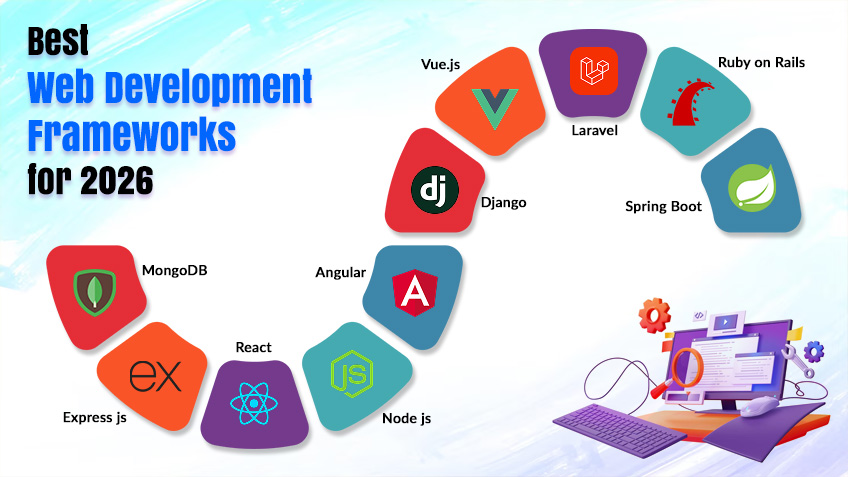
React
React is a popular open source framework used for building user interfaces.It focuses on creating fast and interactive web applications using reusable components.
Angular
Angular is a powerful framework developed by Google.It is commonly used for large-scale applications and enterprise solutions.
Vue.js
Vue.js is known for its simplicity and flexibility.Many beginners choose Vue because it is easy to learn and implement.
Django
Django is a Python-based framework that emphasizes rapid development and security.It is widely used for building robust web applications.
Laravel
Laravel is a popular PHP framework known for its elegant syntax and developer-friendly features.It simplifies many common development tasks.
How Open Source Frameworks Improve Productivity?
Less Repetitive Coding
Frameworks eliminate the need to repeatedly write common functions and structures.This saves valuable development time.
Better Organization
Most frameworks follow established development patterns that keep projects organized.A structured codebase is easier to maintain and update.
Improved Collaboration
Teams can work more efficiently when using standardized frameworks because everyone follows similar coding practices.This improves communication and project management.
Choosing the Right Open Source Web Framework:
Selecting the best framework depends on project requirements.
Consider Project Size
Different frameworks are better suited for different project sizes.Smaller projects may benefit from lightweight frameworks, while larger applications may require more advanced solutions.
Evaluate Learning Curve
Some frameworks are easier to learn than others.Beginners often prefer frameworks with extensive documentation and active communities.
Check Community Support
A strong developer community can provide valuable resources and assistance.Popular frameworks generally offer better support and more learning materials.
Focus on Long-Term Needs
Consider future growth and maintenance requirements when choosing a framework.The right framework should support both current and future development goals.
Open Source and Innovation:
Global Collaboration
Developers from different countries work together to improve frameworks and solve problems.This collaborative environment often leads to faster innovation.
Access to New Technologies
Open source projects frequently adopt modern technologies and best practices.This helps developers stay current with industry trends.
Challenges of Open Source Frameworks:
While open source frameworks offer many benefits, they also have some challenges.
Learning Requirements
Some frameworks require significant time and effort to master.Developers may need training and practice before becoming proficient.
Frequent Updates
Popular frameworks are updated regularly.While updates provide improvements, they may require developers to adapt existing applications.
Framework Selection
With many available options, choosing the right framework can sometimes be difficult.Careful evaluation helps ensure the best choice for each project.
Future of Open Source Web Frameworks:
The future of Open Source Web Framework development looks very promising.
Emerging technologies such as artificial intelligence, cloud computing, and serverless architecture are influencing framework development.
Future trends may include:
- Faster performance
- Enhanced security
- AI-powered development tools
- Improved scalability
- Simplified coding processes
Why Do Developers Continue Choosing Open Source?
Open source frameworks remain popular because they offer flexibility, affordability, and strong community support.
Developers appreciate the ability to customize solutions, access source code, and benefit from continuous innovation.
FAQ’s:
1. What is an Open Source Web Framework?
An Open Source Web Framework is a software framework with publicly available source code that developers can use, modify, and share.It helps simplify and speed up web application development.
2. Why are open source web frameworks popular?
They are popular because they are usually free, flexible, and supported by large developer communities.They also receive regular updates and improvements.
3. What are some examples of open source web frameworks?
Popular examples include React, Angular, Vue.js, Django, and Laravel.These frameworks are widely used for building modern websites and web applications.
4. What are the benefits of using an Open Source Web Framework?
Benefits include faster development, lower costs, better scalability, and strong community support.They also provide reusable tools and built-in security features.
5. Is an Open Source Web Framework suitable for beginners?
Yes, many open source frameworks offer detailed documentation and tutorials for beginners.Frameworks like Vue.js and Laravel are often recommended for those new to web development.
Final Thoughts:
An Open Source Web Framework plays a vital role in modern web development. It provides developers with powerful tools, reusable components, and a structured approach to building websites and applications.
Whether you are a beginner learning web development or an experienced professional working on large-scale projects, open source frameworks can improve productivity, reduce costs, and simplify development.