How Therapy Services Help With Managing Anxiety
November 1, 2026
How a Plastic Surgeon Can Help You Achieve Your Skincare Goals
November 2, 2026
Microneedling with platelet-rich plasma (PRP) is a cosmetic skin treatment offered at many med spas. The approach pairs two established techniques. The first is a device that creates tiny, controlled channels in the skin’s surface, and the second is a concentrated preparation made from the client’s own blood. People can explore this treatment when they notice changes in skin texture, tone, or firmness, allowing them to pursue an option that does not involve surgery.
What Is PRP?
Platelet-rich plasma is a substance produced from a small sample of a person’s blood. Blood contains several components, including red blood cells, white blood cells, platelets, and plasma. Plasma is the liquid portion that carries these cells throughout the body, and platelets are small cell fragments known for their role in clotting.
Platelets also contain proteins called growth factors. These proteins take part in the body’s natural process of repairing and renewing tissue. The goal of creating PRP is to collect a high concentration of platelets. To prepare PRP, a provider draws blood in a manner similar to a routine blood test. The sample is then placed in a centrifuge; this is a machine that spins at high speed and separates the components found in blood. The platelet-rich layer is drawn off and set aside for use during the treatment.
What Is Microneedling With PRP?
Microneedling uses a handheld device fitted with very fine, sterile needles. As the device moves across the skin, the needles create a pattern of microscopic punctures in the outer layers. These channels are small, and they close quickly. The technique is designed to prompt the skin’s own renewal response.
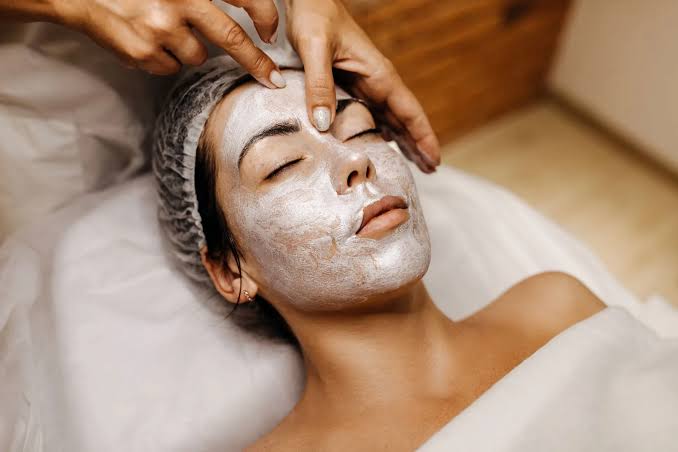
When PRP is added, it is applied to the skin during or immediately after the microneedling portion of the session. The small channels give the plasma a path into the skin, and this allows it to penetrate beyond the surface. A typical appointment follows a general sequence:
- The provider cleanses the treatment area and applies a topical that numbs the skin to reduce discomfort.
- A blood sample is drawn and processed in a centrifuge to produce PRP.
- A microneedling device is passed over the treatment area at a depth suited to the client’s skin.
- The prepared PRP is spread across the treated skin so it can enter the newly created channels.
- The provider may offer aftercare guidance, which commonly includes sun protection for a set period.
Redness similar to a mild sunburn is common for a day or two afterward. Individual results depend on skin type, age, and overall goals. Providers may recommend a series of sessions spaced several weeks apart.
What Are the Benefits?
People can choose PRP microneedling because it uses materials derived from their own bodies. Clients often seek this treatment to address aesthetic concerns, such as enlarged pores, fine lines, and the appearance of acne scars. Outcomes differ from person to person, and the treatment is not a substitute for medical care for skin conditions. Other features that draw interest include:
- Minimally invasive process that does not require incisions or general anesthesia
- Suitable for several areas, including the face, neck, and hands
- Short recovery period that allows many people to resume normal routines soon after treatment
A provider can explain what a realistic course of treatment will look like based on individual skin characteristics.
Seek Professional Med Spa Services
PRP microneedling involves handling blood products and using sterile instruments on the skin, so the setting in which it is performed matters. Med spas prepare PRP with equipment designed for that purpose. A professional med spa team can provide guidance on these factors, developing a treatment plan that reflects each client’s goals.