

How to Evaluate Gynecology Providers in Your Area
October 30, 2026
Recognizing the Signs of Dental Emergencies and Knowing When To Call for Help
October 30, 2026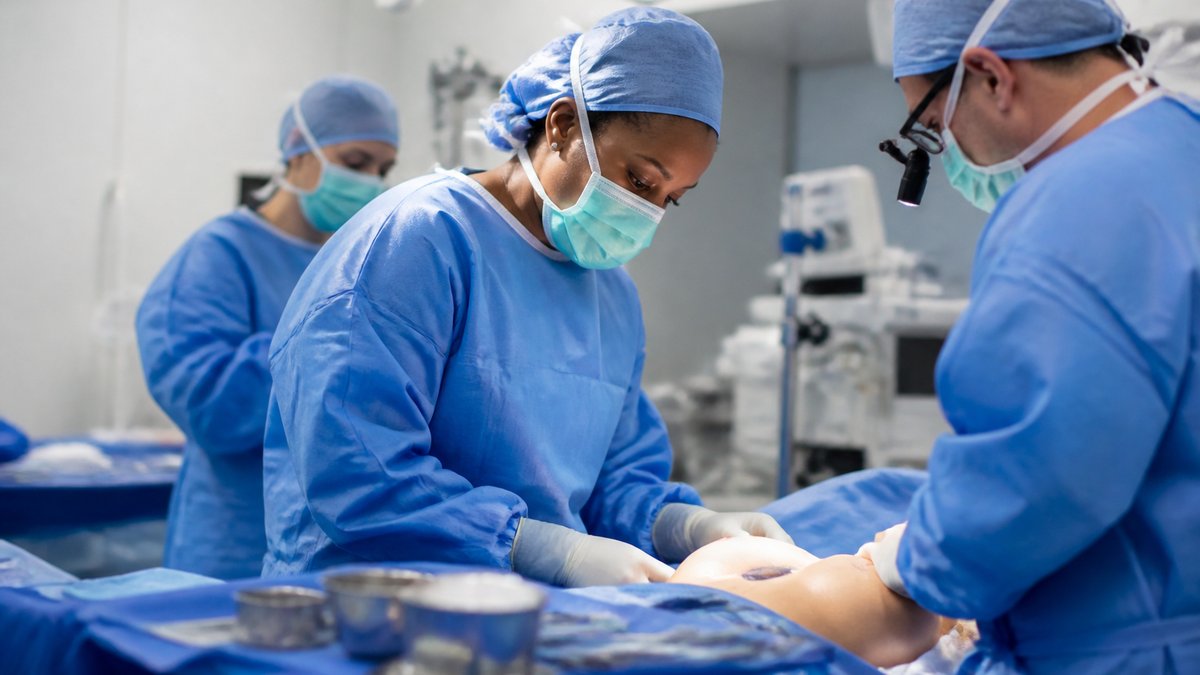
Fat grafting is a breast reconstruction technique that uses a patient’s own fat, collected through liposuction, to restore breast volume and shape. Surgeons transfer the harvested fat into targeted areas, helping improve breast contours, address asymmetry, and refine results following mastectomy or lumpectomy. Because the procedure uses the patient’s own tissue, fat grafting offers an alternative or complementary approach to implant-based reconstruction. Here is more information about fat grafting for breast reconstruction:
Understanding Fat Grafting
Grafting, also known as autologous fat transfer, uses a patient’s own fat to restore or refine breast shape. Surgeons typically collect fat from the abdomen, thighs, or flanks through liposuction using a thin cannula. After processing the harvested tissue, surgeons inject the prepared fat into targeted areas of the breast to improve volume and contours.
Because transferred fat cells require an adequate blood supply, surgeons distribute small amounts throughout the surrounding tissue. This technique supports tissue integration, although some transferred fat may be reabsorbed during healing. Grafting may help soften breast contours, address asymmetry, and refine the appearance of reconstructed breast tissue.
Preparing for Grafting
Preparing for grafting begins with a surgical consultation to evaluate breast anatomy, reconstruction history, and available donor fat. Because treatment needs vary, surgeons assess whether fat transfer is appropriate as a standalone procedure or alongside other reconstruction methods. Preparation typically involves several steps:
- Reviewing Medical History: Surgeons examine previous breast procedures, current health conditions, and reconstruction goals.
- Evaluating Donor Sites: Surgeons assess areas such as the abdomen, thighs, or flanks for available fat tissue.
- Discussing Treatment Options: Patients learn whether grafting alone or combined reconstruction techniques may address their goals.
- Reviewing Medication Guidelines: Surgeons provide instructions regarding medications, supplements, and smoking cessation before surgery.
- Explaining Recovery Expectations: Patients receive information about healing timelines, potential volume changes, and follow-up appointments.
A thorough consultation helps patients understand the procedure, available options, and preparation requirements before undergoing fat grafting.
Undergoing the Procedure
Grafting typically takes place under anesthesia and begins with liposuction to collect fat from a selected donor area. After processing the harvested tissue, surgeons inject small amounts into targeted areas of the breast. Because treatment needs vary, procedure length depends on the amount of fat transferred and any additional reconstruction performed.
Surgeons may combine grafting with implant-based or flap reconstruction to improve breast shape and symmetry. For patients with implants, transferred fat helps address visible rippling or irregular contours. Grafting may also smooth transitions between reconstructed tissue and the surrounding chest wall.
Recovery involves healing at both the donor site and the treated breast, with swelling and bruising commonly occurring. Although recovery timelines vary, patients typically receive activity restrictions and instructions for managing discomfort during the healing process. Follow-up appointments allow surgeons to assess healing, monitor transferred fat, and determine whether additional treatment is appropriate.
Weighing the Benefits
Grafting uses a patient’s own tissue to restore breast volume, improve contours, and support reconstructive goals. Although results vary, the procedure offers several potential benefits:
- Restoring Natural Appearance
- Refining Donor Areas
- Improving Breast Symmetry
- Smoothing Implant Contours
- Correcting Minor Irregularities
Because larger volume changes may require multiple procedures, surgeons evaluate donor fat availability and individual reconstruction goals. Fat grafting may serve as a standalone refinement procedure or complement implant-based and flap reconstruction techniques.
Schedule a Consultation Today
Fat grafting uses a patient’s own tissue to restore breast volume, improve contours, and support natural-looking reconstruction results. Although treatment outcomes vary, surgeons may combine fat transfer with implants or flap reconstruction to address individual needs. A board-certified plastic surgeon evaluates breast anatomy, available donor fat, and reconstruction goals before recommending appropriate treatment options. Schedule a consultation today to explore fat grafting and learn how it may support your breast reconstruction goals.