
The Role of Physician Assistants in Patient Care
October 29, 2026
Exploring Non-Surgical Options for Heel Pain Relief
October 30, 2026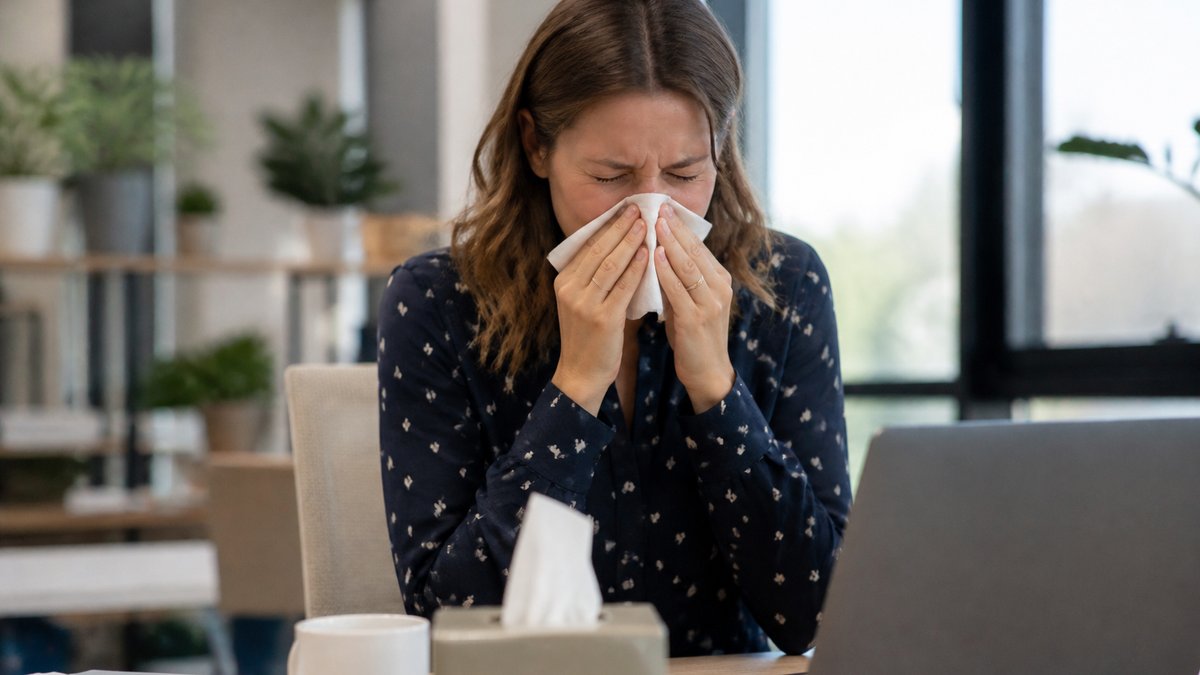
Often called hay fever or seasonal allergic rhinitis, seasonal allergies tend to appear during specific times of the year when certain plants release pollen into the air. Symptoms may begin in early spring, and they continue through the fall. Learning which management options are available can help individuals make informed decisions about their care.
What Are Seasonal Allergies?
Seasonal allergies occur when the immune system reacts to airborne substances, which are typically harmless. When a person with seasonal allergies inhales these particles, the body may identify them as threats, and then it releases chemicals such as histamine. This response produces many of the symptoms associated with allergic reactions. The most common triggers vary by season. Tree pollen is often prevalent in early spring. Outdoor mold spores can also contribute to symptoms.
What Are the Symptoms?
Symptoms of seasonal allergies may range from mild to persistent, and they often resemble those of a common cold. One distinguishing feature is timing. Allergy symptoms typically recur around the same period each year and may last for several weeks, whereas a cold usually resolves within a shorter timeframe. Allergies also do not typically cause fever. Common symptoms may include:
- Sneezing
- Congestion
- Eyes that are itchy, watery, or red
- Fatigue
- Shortness of breath and wheezing
- Itching and hives
For individuals with asthma, seasonal allergens can also affect breathing and worsen their symptoms.
How Are They Treated?
Management of seasonal allergies may involve a combination of strategies tailored to each person’s symptoms and triggers. An allergy specialist can begin by confirming which allergens are responsible through skin testing or blood testing, and identifying specific triggers allows for a more focused approach to care. Reducing exposure is a common first step, with some practical measures including:
- Keeping windows closed during peak pollen seasons
- Using air conditioning with clean filters in the home
- Showering and changing clothes after spending time outdoors
- Checking daily pollen forecasts and limiting outdoor activity when counts are high
Medications are also commonly used to manage symptoms. Some are available over the counter, and others require a prescription from a health care provider. For individuals whose symptoms persist despite these measures, allergen immunotherapy may be recommended. This approach involves gradual exposure to small amounts of a specific allergen over time, delivered through injections. The goal of immunotherapy is to help the immune system become less reactive to the allergen. A specialist can explain whether this option is appropriate based on a person’s history and test results.
Consult an Allergy Specialist
Seasonal allergy symptoms that interfere with daily activities may warrant an evaluation by an allergy specialist. A specialist can also help distinguish allergies from other conditions with similar symptoms, such as chronic sinusitis or nonallergic rhinitis. Periodic reassessment helps individuals adjust their management plan as conditions change. Seeking an evaluation before peak season begins allows time to identify triggers, and this may help establish a plan in advance. If you experience recurring seasonal symptoms, an allergy specialist can help you explore options that align with your health history and lifestyle.