
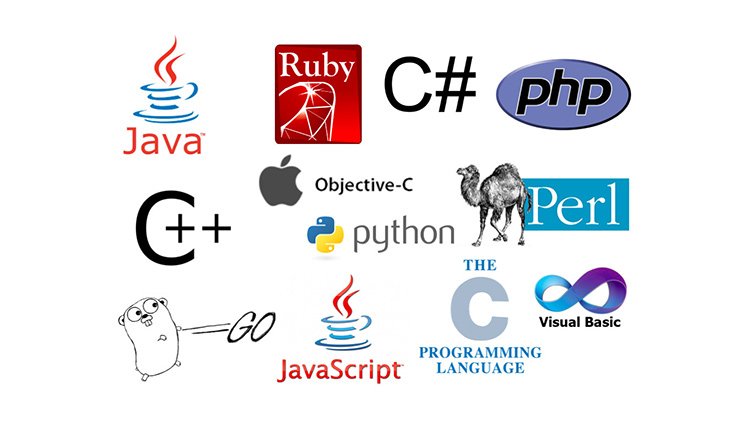
What Programming Languages Are Supported by OneFramework!
May 17, 2026
Is OneFramework Suitable for Beginners – Improve Coding Skills!
May 18, 2026
Mobile app development has become one of the fastest-growing areas in software engineering. Businesses and developers are always looking for frameworks that can support web, mobile, and enterprise applications in one place. One common question is: Can OneFramework be used for mobile app development?
The answer depends on the specific version of OneFramework being used, but in general, modern OneFramework-style platforms are designed with flexibility in mind. Many versions support cross-platform development, meaning they can be used to build applications that work on both web and mobile app devices using shared technologies like Java, JavaScript, React, and TypeScript.
This makes OneFramework a potentially useful option for mobile app development, especially when combined with modern frontend and backend tools.
Understanding OneFramework:
OneFramework refers to a development environment or enterprise framework designed to simplify application building. It is often associated with technologies such as Java, React, JavaScript, and TypeScript, which are widely used in modern software development.
These frameworks are typically used for:
- Web applications
- Enterprise systems
- API development
- Cross-platform solutions
- Backend services
Because mobile apps today often rely on APIs and web-based technologies, frameworks like OneFramework can play an important role in mobile development.
Can OneFramework Be Used for Mobile App Development?
Yes, OneFramework can be used for mobile app development in indirect and hybrid ways. While it may not always be a dedicated mobile SDK like Flutter or Swift, it can still support mobile development through:
- Cross-platform frameworks
- Web-based mobile apps (PWA)
- React-based mobile development tools
- Backend API integration
This means developers can build mobile-compatible applications using OneFramework technologies.
Cross-Platform Development Support:
One of the biggest advantages of OneFramework is its ability to support cross-platform development.
What is Cross-Platform Development?
Cross-platform development means building one application that works on multiple platforms such as:
- Android
- iOS
- Web browsers
Instead of writing separate code for each platform, developers can reuse the same codebase.
How OneFramework Helps
OneFramework supports technologies like JavaScript and React, which are commonly used in cross-platform development. These tools allow developers to build mobile-friendly applications more efficiently.
React and Mobile App Development:
React plays a major role in mobile development when used with frameworks like OneFramework.
React Native Integration
React Native is a popular framework for building mobile apps using JavaScript and React.
With React-based systems, developers can:
- Create Android and iOS apps
- Use reusable components
- Share code between web and mobile apps
- Improve development speed
If OneFramework supports React, it can be integrated into a mobile app development workflow.
Java and Mobile Applications:
Java is another important technology linked with OneFramework.
Java in Android Development
Java has historically been one of the main languages for Android app development.
It is used for:
- Native Android apps
- Backend services
- Enterprise mobile systems
Because OneFramework supports Java-based systems, it can be useful for backend logic in mobile applications.
JavaScript and Mobile-Friendly Apps:
JavaScript is widely used in modern mobile development.
Web-Based Mobile Apps
With JavaScript, developers can build:
- Progressive Web Apps (PWA)
- Mobile-friendly web applications
- Hybrid apps
These apps can run on mobile devices through browsers while still providing app-like experiences.
OneFramework’s JavaScript support makes it suitable for building such mobile-ready solutions.
TypeScript for Mobile Development:
TypeScript is often used in large-scale mobile and web applications.
Why TypeScript Matters
TypeScript helps developers:
- Avoid coding errors
- Build scalable apps
- Improve code structure
- Maintain large mobile projects
When combined with React or JavaScript, TypeScript improves the stability of mobile applications.
Backend Support for Mobile Apps:
Mobile apps usually require a strong backend system for data management, user authentication, and API communication.
OneFramework is often used for backend development, which is essential for mobile applications.
Backend Features May Include:
- REST API creation
- Database management
- User authentication systems
- Data processing services
This backend support allows mobile apps to communicate smoothly with servers.
Web-to-Mobile Conversion:
Another way OneFramework can support mobile development is through web-to-mobile conversion techniques.
Progressive Web Apps (PWA)
PWAs allow websites to behave like mobile apps.
They can:
- Run on mobile browsers
- Work offline
- Send push notifications
- Provide app-like experience
If OneFramework supports web development, it can be used to create PWAs that function like mobile apps.
Advantages of Using OneFramework for Mobile Development:
Code Reusability
Developers can reuse the same code for web and mobile applications.
Faster Development
Using a single framework reduces development time.
Cost Efficiency
Companies can save money by using one system for multiple platforms.
Flexibility
Developers can choose Java, JavaScript, or React depending on project needs.
Limitations of OneFramework in Mobile Development:
Although OneFramework can support mobile development, it may have some limitations.
Not a Dedicated Mobile SDK
It may not provide native mobile tools like Flutter or Swift.
Requires Additional Tools
Mobile app development may require integration with React Native or other frameworks.
Performance Differences
Native apps may perform better than hybrid apps in some cases.
Despite these limitations, OneFramework can still be useful for many mobile development projects.
When Should You Use OneFramework for Mobile Apps?
OneFramework is a good choice for mobile development when:
- You want cross-platform development
- You are building hybrid apps
- You need strong backend integration
- You already use Java or React systems
- You want faster development with shared code
It is especially useful for enterprise applications and business-focused mobile apps.
FAQ’s:
1. Can OneFramework be used for mobile app development?
Yes, OneFramework can be used for mobile app development through cross-platform and hybrid solutions.It supports technologies like JavaScript, React, and Java for mobile-compatible apps.
2. Does OneFramework support Android and iOS apps?
It can support Android and iOS development indirectly using cross-platform tools.However, it is not a fully dedicated native mobile development framework.
3. What technologies help OneFramework in mobile development?
Java, JavaScript, React, and TypeScript are commonly used with OneFramework.These technologies help build mobile-friendly and cross-platform applications.
4. Is OneFramework better than Flutter or React Native?
No, Flutter and React Native are more specialized for mobile app development.OneFramework is more flexible for enterprise and cross-platform web-based solutions.
5. Who should use OneFramework for mobile apps?
It is best for developers building hybrid apps or enterprise systems with mobile support.It is also useful when backend and frontend integration is required in one platform.
Final Thoughts:
So, can OneFramework be used for mobile app development? The answer is yes, but mainly in a cross-platform or hybrid development approach.
With support for Java, JavaScript, React, and TypeScript, OneFramework can help developers build mobile-friendly applications, backend systems, and cross-platform solutions. While it may not replace dedicated mobile frameworks like Flutter or Swift, it can still be a powerful tool for building scalable and modern mobile applications.