

# OneFrameWork.net Blog – A Complete Guide to Its Purpose and Value!
May 11, 2026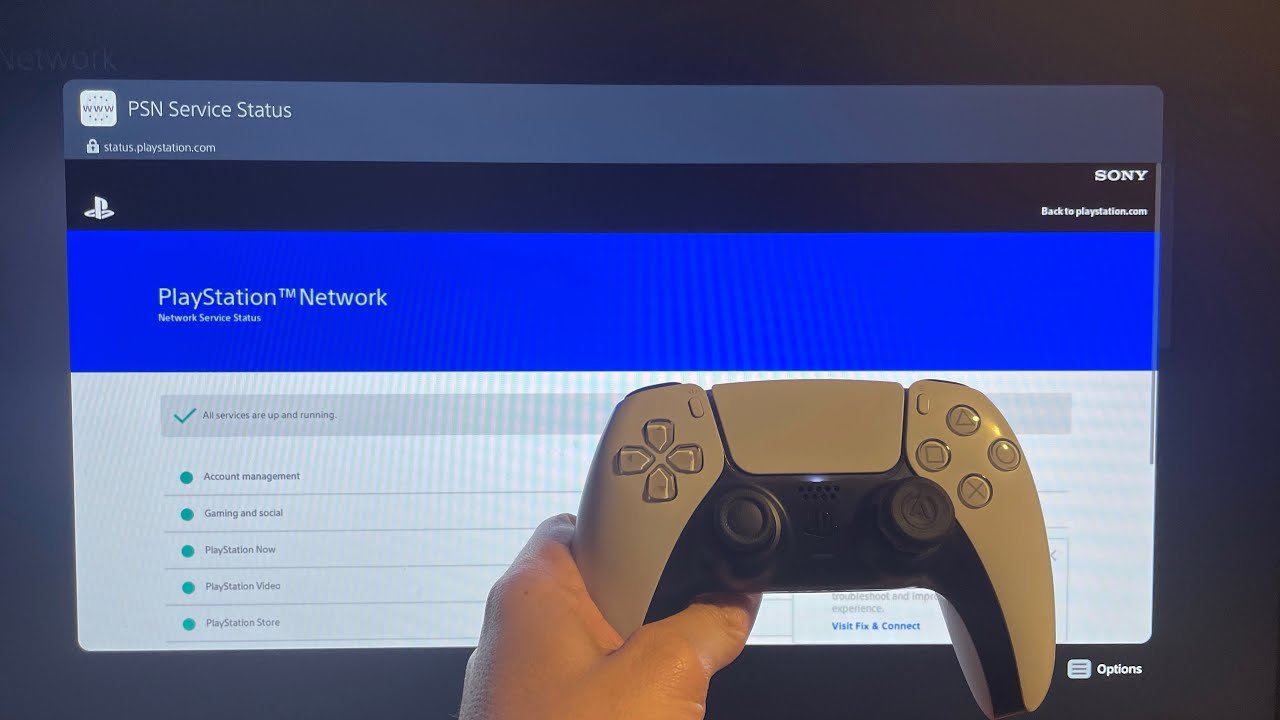
PlayStation Network Status – A Complete Guide for Gamers!
May 13, 2026
In today’s digital world, internet privacy and online security are becoming more important than ever. People use the internet for banking, shopping, work, social media, and communication every day. However, online activities can sometimes be tracked, monitored, or targeted by hackers and cybercriminals. This is where virtual private networks become very useful.
Virtual private networks, commonly known as VPNs, help users protect their online identity and internet activity. They create a secure connection between a user’s device and the internet, helping improve privacy and security. Because of these benefits, virtual private networks are now widely used by businesses, students, remote workers, and everyday internet users.
What Are Virtual Private Networks?
Virtual private networks are online security tools that create a private and encrypted internet connection. A VPN hides the user’s real IP address and sends internet traffic through a secure server.
In simple words, a VPN acts like a secure tunnel between the user and the internet. This helps protect personal information and online activity from hackers, trackers, and unauthorized monitoring.
VPNs are available for:
- Mobile phones
- Laptops
- Desktop computers
- Tablets
- Smart TVs
They are commonly used for privacy, security, and safer internet browsing.
How Virtual Private Networks Work?
When a user connects to the internet without a VPN, their internet provider can see their online activity. Websites can also track location and browsing behavior.
With virtual private networks, internet traffic is encrypted and routed through a VPN server. This process hides the user’s identity and makes online activity more secure.
The basic process works like this:
- User connects to a VPN app
- The VPN encrypts internet data
- Data passes through a secure server
- Websites see the VPN server instead of the user’s real location
This helps improve online privacy and security.
Importance of Virtual Private Networks:
Online security threats are increasing worldwide. Cybercriminals often target public Wi-Fi networks, personal data, and online accounts.
Virtual private networks help protect users from many online risks by:
- Encrypting internet traffic
- Hiding IP addresses
- Securing public Wi-Fi connections
- Preventing online tracking
Because of these benefits, VPN usage continues growing globally.
Benefits of Virtual Private Networks:
Better Online Privacy
One major advantage of virtual private networks is privacy protection. VPNs hide browsing activity from internet service providers and advertisers.
This helps users browse the internet more privately without constant tracking.
Improved Security
VPNs use encryption technology to protect sensitive information. This is especially useful when using public Wi-Fi in places like:
- Cafes
- Airports
- Hotels
- Shopping malls
Encrypted connections reduce the risk of hacking and data theft.
Access to Global Content
Some websites and streaming services limit content based on location. Virtual private networks allow users to connect through servers in different countries.
This helps users access global content and services that may not be available in their region.
Safer Remote Work
Many companies now use VPNs for remote work security. Employees working from home can safely access company systems through encrypted VPN connections.
This helps businesses protect confidential data and communication.
Types of Virtual Private Networks:
There are different types of VPNs designed for various purposes.
Remote Access VPN
This type allows individual users to connect securely to a private network from any location.
Site-to-Site VPN
Businesses use site-to-site VPNs to connect offices located in different cities or countries.
Mobile VPN
Mobile VPNs are designed for smartphones and tablets, helping users stay protected while using mobile internet or public Wi-Fi.
Common Uses of Virtual Private Networks:
People use virtual private networks for many different reasons.
Online Privacy
Users who value privacy use VPNs to hide browsing activity and online identity.
Streaming Services
VPNs are often used to access movies, TV shows, and streaming platforms available in other regions.
Secure Online Banking
Many users prefer VPNs when using banking apps or making online payments on public networks.
Business Security
Companies use VPNs to secure employee access to internal systems and confidential business data.
Challenges and Limitations:
Although virtual private networks provide many benefits, they also have some limitations.
Slower Internet Speed
Encryption and server routing can sometimes reduce internet speed slightly.
Subscription Costs
High-quality VPN services often require monthly or yearly subscriptions.
Not Complete Anonymity
VPNs improve privacy, but they do not make users completely anonymous online.
Some Websites Block VPNs
Certain websites and streaming platforms may block VPN traffic.
Free vs Paid VPN Services:
Many users wonder whether free VPNs are enough. Free VPN services may offer basic privacy protection, but they often come with limitations such as:
- Limited server locations
- Slower speeds
- Ads and tracking
- Data restrictions
Paid VPN services usually provide better speed, stronger security, and more server options.
Features to Look for in Virtual Private Networks:
When choosing a VPN service, users should consider:
- Strong encryption
- No-log policy
- Fast connection speeds
- Multiple server locations
- User-friendly apps
- Good customer support
These features help ensure better privacy and performance.
Future of Virtual Private Networks:
The future of virtual private networks looks strong because online privacy concerns continue increasing. More people are becoming aware of cybersecurity risks and digital tracking.
Businesses, students, gamers, and remote workers are all using VPN technology more frequently. As internet threats grow, VPN services are expected to become even more advanced and user-friendly.
Future improvements may include:
- Faster connections
- Better encryption systems
- AI-based threat protection
- Improved mobile security
Why Are VPNs Becoming More Popular?
Virtual private networks are becoming popular because people want greater control over their online privacy and security.
Today’s digital world includes:
- Online shopping
- Digital banking
- Social media usage
- Remote work systems
- Cloud storage platforms
All these activities involve personal information, making online security very important.
VPNs provide a simple solution for safer internet use.
FAQ’s:
1. What are virtual private networks?
Virtual private networks, also called VPNs, are tools that create secure and private internet connections for users.
2. Why do people use virtual private networks?
People use virtual private networks to improve online privacy, protect personal data, and browse the internet more securely.
3. Are virtual private networks safe?
Yes, virtual private networks use encryption technology to help protect internet activity and sensitive information from hackers.
4. Can virtual private networks hide my location?
Yes, VPNs hide your real IP address and show the location of the VPN server instead.
5. Do businesses use virtual private networks?
Yes, many businesses use virtual private networks to secure remote work and protect company data online.
Final Thoughts:
Virtual private networks are important tools for improving online privacy, security, and internet freedom. They help users protect personal data, secure internet connections, and browse more safely.
Whether for remote work, online banking, streaming, or general privacy, VPNs offer many useful benefits in today’s digital environment. As cybersecurity threats continue growing, virtual private networks will likely remain an essential part of secure internet usage in the future.